Hume's Balance of Payments Adjustment
Introduction to Balance of Payments
A Nation's Financial Scorecard
Think about how you manage your own money. You have income from your job, and you have expenses like rent, groceries, and entertainment. If you spend more than you earn, you might need to borrow money or sell something you own. Countries do something similar on a global scale, and they keep track of it all in a record called the balance of payments (BoP).
The BoP is a statement of all transactions made between entities in one country and the rest of the world over a specific time period, like a quarter or a year. It's a comprehensive ledger that tracks every dollar, euro, or yen that flows in and out. It tells us whether a country is, on the whole, a net lender or a net borrower in its international dealings.
Crucially, the entire balance of payments must, by definition, sum to zero. Every transaction has two sides, a credit and a debit, ensuring the books always balance.
The Three Main Accounts
To make sense of all these transactions, the BoP is divided into three main sections: the current account, the capital account, and the financial account. Imagine them as three separate folders used to organize a country's international financial life.
Let's break down what goes into each of these accounts.
Current Account: The Daily Business
The current account tracks the day-to-day flow of money from trade and income. It's the most frequently discussed part of the BoP because it reflects a country's immediate international competitiveness. It's made up of a few key components.
| Component | Description | Example |
|---|---|---|
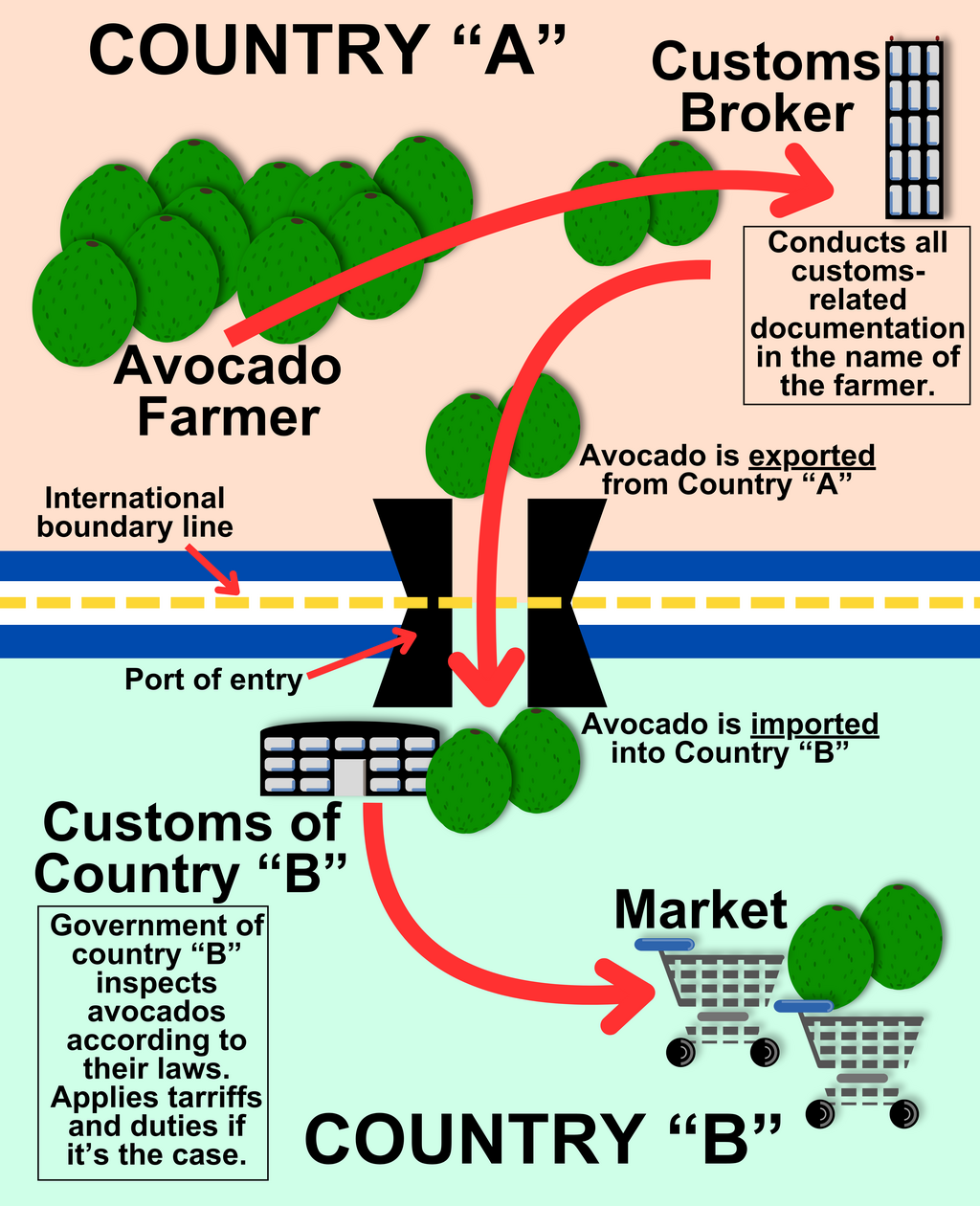
| Trade in Goods | The import and export of physical items. | Japan exporting cars to Germany. |
| Trade in Services | The import and export of services. | An American tourist paying for a hotel in Italy. |
| Primary Income | Income earned by residents from their foreign investments (like dividends or interest) and wages. | A US company receiving profits from its factory in Mexico. |
| Secondary Income | One-way transfers that don't expect anything in return. | A worker in the UK sending money to family in India (remittances), or a government sending foreign aid. |
The balance of trade in goods and services is what people usually mean when they talk about a "trade deficit" or "trade surplus." A deficit means a country is importing more than it's exporting, while a surplus means the opposite.
Capital and Financial Accounts: The Big Investments
These two accounts record the flow of money for investments and other long-term financial purposes. They show how a country finances its current account deficits or what it does with its current account surpluses.
The Capital Account is typically the smallest. It tracks transactions like debt forgiveness and the transfer of non-financial assets, such as the rights to a patent or a natural resource.
The Financial Account is much larger and more significant. It tracks the buying and selling of international assets. This includes:
- Direct Investment: Long-term investments where an investor gains significant influence over a foreign business, like building a new factory or acquiring a large stake in a company.
- Portfolio Investment: The purchase of financial assets like stocks and bonds, which are generally more liquid and short-term than direct investments.
- Other Investment: This includes various loans and currency deposits.
When a Canadian pension fund buys shares of a U.S. tech company, that transaction is recorded in the U.S. financial account as an inflow of capital.
If a country has a current account deficit (buying more than it sells), it must have a surplus in its financial and capital accounts. This means it's either selling off its assets to foreigners or borrowing from them to pay for its excess imports. The reverse is also true. A country with a current account surplus is lending money to or buying assets from the rest of the world.
Understanding the balance of payments is the first step in seeing how countries are linked in the global economy. It's a powerful tool for analyzing a nation's economic health, its relationship with other countries, and the pressures on its currency.
Ready to check your understanding?