Humanitys Great Drivers of Change
Introduction to Historical Change
The Constant Flow of History
History isn't just a list of dates and famous names. It's the story of transformation. At its core, historical change is the process by which societies, cultures, and institutions evolve over time. Nothing is static. Ways of life, beliefs, technologies, and political systems are all in a constant state of flux, much like a river that is always moving, carving a new path through the landscape.
Thinking about history as a process of change helps us understand not just what happened in the past, but why our world looks the way it does today.
This change doesn't always happen at the same speed. Sometimes the river is slow and lazy, with changes occurring so gradually they are almost unnoticeable to the people living through them. Other times, it's a raging flood, a dramatic event that reshapes everything in its path almost overnight. These two different tempos of change are often described as evolution and revolution.
Evolution vs. Revolution
Gradual change, or evolution, is the slow, incremental development of a society. It happens over long periods, often generations or centuries. Think of the way languages slowly transform. No single person decided to change Old English into the English we speak today; it was the result of countless small shifts in pronunciation, vocabulary, and grammar over a thousand years. This type of change is like a tree growing ring by ring—the progress is steady and constant, but you can only see the full extent of it by looking back over time.
Sudden change, or revolution, is the opposite. It's a rapid, fundamental, and often disruptive transformation. A political revolution, like the American or French Revolutions, can overthrow an entire system of government in just a few years. A technological revolution, like the invention of the internet, can radically alter how people communicate, work, and live within a single generation. These events are like earthquakes—they are sudden, powerful, and create a clear break between the time before and the time after.
Most of history is a mix of these two patterns. Long periods of slow, evolutionary change are often punctuated by moments of rapid, revolutionary upheaval. Understanding this rhythm is key to making sense of the past.
The Engines of Change
So, what causes these changes, both big and small? There isn't a single answer. Instead, historical change is driven by a complex interplay of different forces. These can include:
- Technology: New inventions, from the printing press to the steam engine, can reshape economies and cultures.
- Ideas: New philosophies, religions, or political ideologies can inspire people to challenge the existing order.
- Environment: Climate change, natural disasters, or the availability of resources can force societies to adapt or migrate.
- Conflict: Wars and social strife can destroy old systems and create new ones.
- Economics: Shifts in trade, production, and wealth distribution can alter the structure of a society.
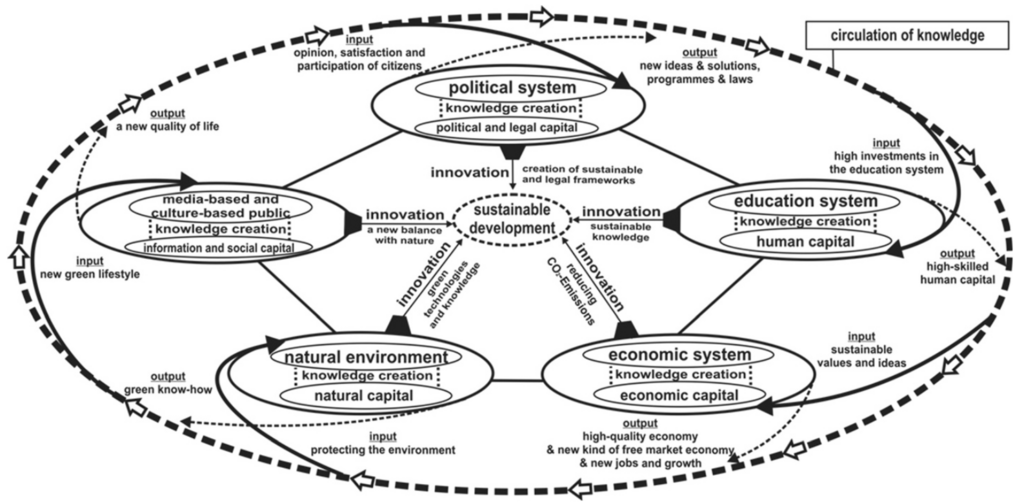
These forces rarely act in isolation. They are interconnected, each one influencing the others in a web of cause and effect. A new technology might emerge because of an economic need, which in turn spreads a new idea that leads to political conflict. Grasping this interconnectedness is what makes studying history so challenging, and so fascinating.