Humanitarian Logistics and NGO Freight Management
Humanitarian Logistics Foundations
When the Goal is Saving Lives
Imagine a natural disaster strikes. A hurricane, an earthquake, a flood. Homes are destroyed, and people are left without food, water, or shelter. Getting essential supplies to them isn't just a business problem, it's a human one. This is the world of humanitarian logistics.
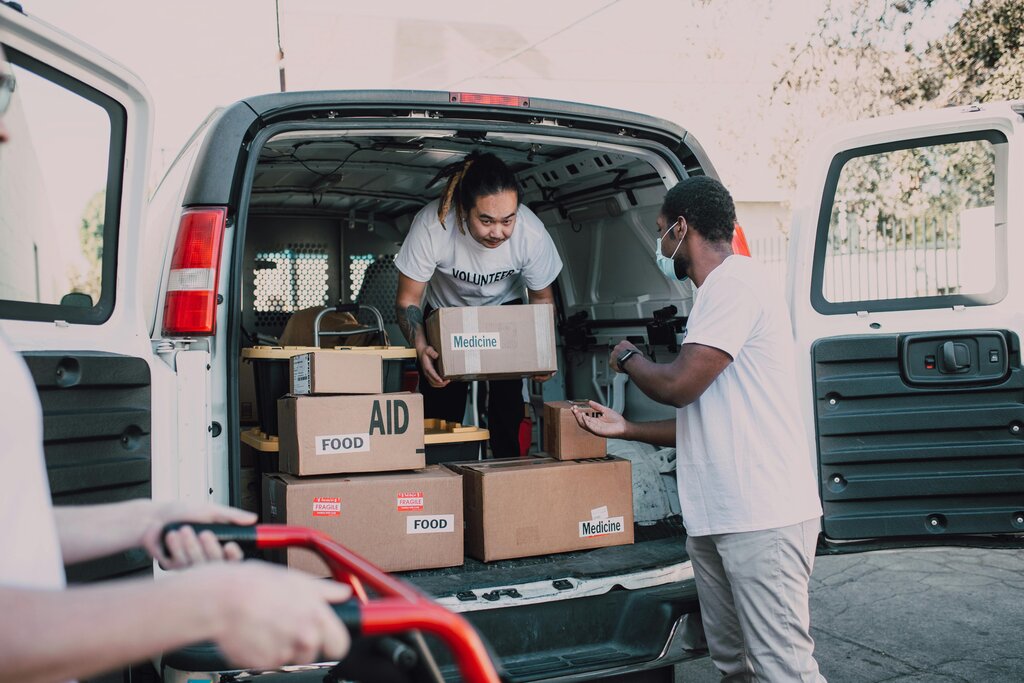
Unlike the logistics of delivering a new phone or a pair of shoes, humanitarian logistics isn't driven by profit. The primary goal is to save lives and reduce suffering. This single difference changes everything. The 'customer' isn't someone who chose a product from a catalog; they are a person in a desperate situation. The success of the mission is measured in lives saved, not dollars earned.
In commercial logistics, cost is king. In humanitarian logistics, speed and reliability are what matter most.
This focus on people over profit creates a fundamentally different supply chain. Commercial supply chains are predictable. A company knows roughly how many laptops it will sell next quarter. Humanitarian needs are chaotic and unpredictable. An earthquake doesn't send a purchase order in advance. Aid must move into difficult, often dangerous, locations with damaged infrastructure. Here’s a quick comparison:
| Feature | Commercial Logistics | Humanitarian Logistics |
|---|---|---|
| Primary Goal | Profitability & Customer Satisfaction | Saving Lives & Reducing Suffering |
| Key Metric | Cost Efficiency | Speed & Reliability |
| Demand | Predictable, based on market data | Unpredictable, sudden, and urgent |
| Funding | Corporate Revenue | Donations & Grants |
| Destinations | Stable, established markets | Unstable, often damaged environments |
The Journey of Aid
Getting aid from a warehouse to a person in need follows a clear, four-step cycle. This isn't a one-time event but a continuous process that adapts as a crisis unfolds. Every step is crucial to ensure the right supplies get to the right people at the right time.
Prepare: This first phase is about understanding the crisis. What is needed most urgently? Food, clean water, medical supplies, or shelter? Teams on the ground assess the situation and create a plan of action.
Procure: Once needs are identified, the organization must get the supplies. This means either buying them, requesting them from a government or corporate partner, or moving them from a pre-positioned stockpile.
Transport: This is the core logistics step, moving goods from the source to the crisis zone. This could involve planes, ships, trucks, and sometimes even smaller vehicles or people on foot to reach remote areas.
Deliver: The final, most important step. This is the "last mile" where aid is physically handed out to the people who need it. This process must be fair, safe, and accountable.
The People Involved
A humanitarian mission is a massive team effort involving several key groups.
Donors provide the funding. They can be governments, large foundations, or individuals who give money to support the relief work.
(Non-Governmental Organizations) are the operational heart of most responses. Groups like the Red Cross, Doctors Without Borders, or Oxfam are NGOs. They have the expertise and staff to manage the logistics cycle and ensure aid is delivered effectively.
are the people receiving the aid. They are not passive recipients but are the reason for the mission. Treating them with dignity and understanding their needs is central to the humanitarian mission.
Within the shipping process, two specific roles are crucial: the consignor and the consignee.
Think of a package you mail to a friend. You are the sender, and your friend is the receiver. In logistics, we use more formal terms.
Consignor
noun
The person or organization that sends or ships goods. In humanitarian aid, this is often the NGO or donor agency sending the supplies.
Consignee
noun
The person or organization to whom the goods are shipped. This is the party that receives the shipment. It could be an NGO's field office or a local partner organization in the crisis area.
Ready to test your knowledge?
What is the primary goal of humanitarian logistics?
Which of the following is a key characteristic of humanitarian supply chains compared to commercial ones?
Understanding these foundations is the first step. Humanitarian logistics is a complex field, but it all comes back to a simple, powerful idea: using the tools of supply chain management to deliver hope.