Human Systems and Integration
Integrated Systemic Homeostasis
The Body's Balancing Act
Your body is a master of maintaining stability. This balancing act, or homeostasis, isn't managed by a single system but by a constant, complex conversation between many. The nervous, circulatory, muscular, and skeletal systems are key players in this dialogue, using feedback loops to adjust to every change, from a sudden sprint to a subtle shift in your blood's chemistry.
Homeostasis has become the central unifying concept of physiology and is defined as a self-regulating process by which an organism can maintain internal stability while adjusting to changing external conditions.
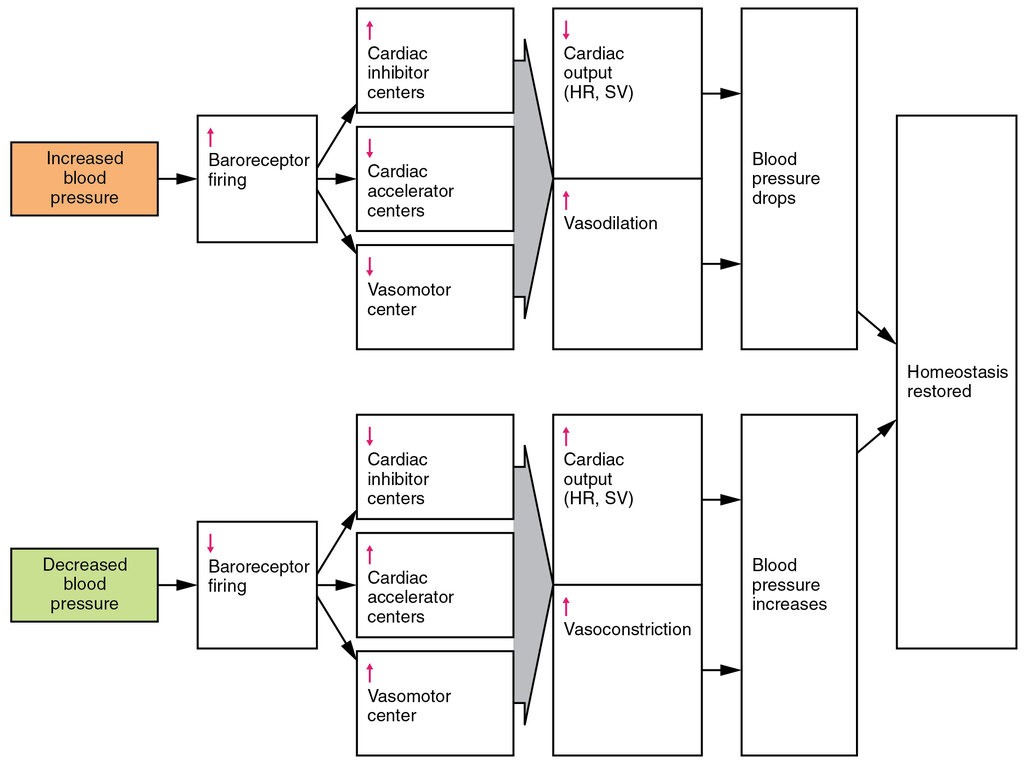
Most of this regulation happens through negative feedback loops. Think of a thermostat. When the room gets too hot, the air conditioner kicks on to cool it down. Once the temperature returns to the set point, the AC shuts off. Your body does the same with things like blood pressure. If your pressure climbs too high, specialized nerve endings called baroreceptors in your arteries sense the increased stretch. They fire signals to the brain, which in turn tells the heart to slow down and blood vessels to widen, bringing the pressure back to normal.
Positive feedback, on the other hand, amplifies a response. Instead of correcting a change, it pushes it further. This is much rarer because it can lead to instability. A classic example is childbirth, where pressure on the cervix releases oxytocin, which causes stronger contractions, leading to more pressure and more oxytocin until the baby is born. The process is explosive by design.
Chemical and Neural Integration
The body’s communication network uses two main types of signals: fast-acting neural impulses and slower, more sustained chemical messages (hormones). The intersection of these two systems is where much of the fine-tuning of homeostasis occurs. A prime example is the hypothalamic-pituitary-adrenal (HPA) axis, the body's central stress response system.
When faced with stress, the hypothalamus (part of the brain) releases a hormone that tells the pituitary gland to release another hormone. This second hormone travels through the bloodstream to the adrenal glands, triggering the release of cortisol. Cortisol then mobilizes energy reserves, a crucial response. To prevent this from running unchecked, cortisol itself inhibits the hypothalamus and pituitary, shutting down the signal—another negative feedback loop. This illustrates how a neural trigger (perceived stress) initiates a slower, self-regulating endocrine cascade.
This integration extends to resource allocation. During a "fight or flight" response, the nervous system directs blood flow. It constricts vessels leading to the digestive system and skin while dilating vessels in skeletal muscles. This shunts oxygen-rich blood to where it's needed most for immediate action. It's a brilliant, short-term trade-off, prioritizing survival over digestion.
Balancing Fluids, Minerals, and pH
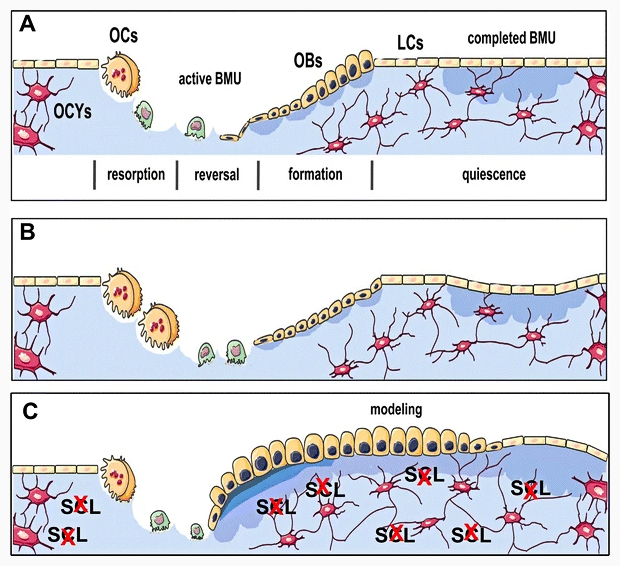
Your cells are bathed in a fluid environment whose composition must be kept within a very narrow range. This includes electrolytes for nerve and muscle function and a stable pH for enzymatic reactions. The skeletal system serves as a massive reservoir for calcium. If blood calcium levels drop, the endocrine system signals bones to release some of their stored mineral. If levels are too high, the excess is deposited back into bone or excreted by the kidneys. This keeps the calcium concentration for muscle contraction and nerve signaling just right.
Acid-base balance is another critical area of control. Your metabolism constantly produces acids, which can disrupt protein function if they accumulate. The body has a multi-tiered defense system. The first line is chemical buffers in the blood, primarily the bicarbonate buffer system which instantly neutralizes acids.
This system is powerfully supported by the respiratory and renal systems. The brain monitors blood pH and CO₂ levels. If acidity rises, it triggers faster, deeper breathing to exhale more CO₂, pulling the reaction in the formula above to the right and reducing acidity. This is a rapid adjustment. For long-term control, the kidneys are the heavy lifters. They can excrete acid directly into the urine or reabsorb and generate more bicarbonate, a slower but more powerful way to maintain pH balance over hours and days.
Now, let's test your understanding of how these systems work together to maintain balance.
Which of the following scenarios is an example of a positive feedback loop?
Your body's primary, instantaneous defense against changes in blood pH is the ______.
These integrated feedback loops are the essence of physiology. They are not isolated circuits but a deeply interconnected web that allows the body to adapt, respond, and ultimately, thrive in a constantly changing world.