Human Sexuality Explored
Introduction to Human Sexuality
What is Human Sexuality?
Human sexuality is a central part of who we are. It’s not just about the physical act of sex. It's a complex blend of biology, psychology, and social experiences that shapes our feelings, thoughts, and actions. Understanding it means looking at how these different pieces fit together.
Think of it in three layers:
- Biological: This includes our genetics, hormones, and anatomy—the physical body we're born with.
- Psychological: This is our inner world. It covers our thoughts, feelings about our bodies, sense of self, and attractions.
- Social: This layer involves our culture, relationships, laws, and the community around us. It influences what we learn about sexuality and how we're allowed to express it.
These three factors are always interacting, making each person's experience of sexuality unique.
Sex vs. Gender
People often use the words "sex" and "gender" interchangeably, but they mean different things. Getting this distinction right is key to understanding sexuality.
Sex
noun
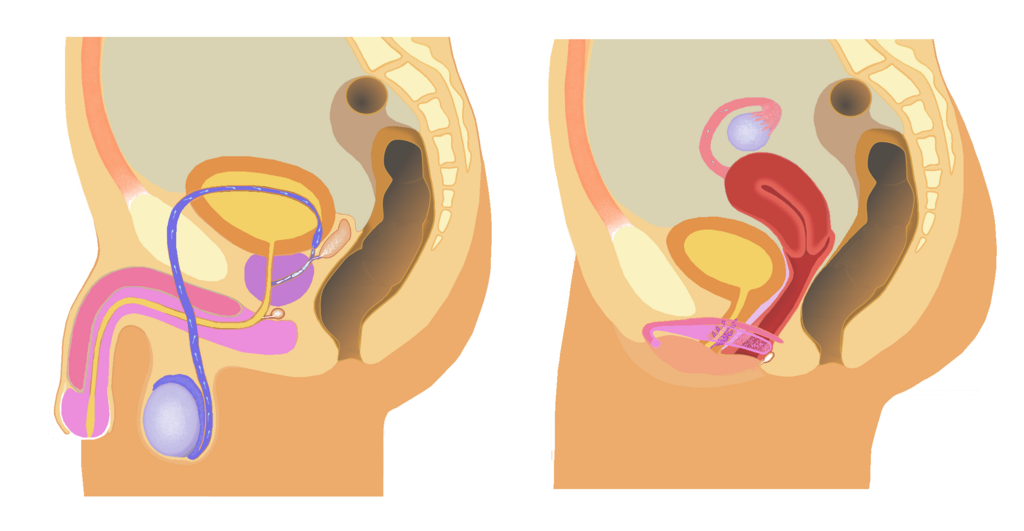
The biological and physiological characteristics that define humans as female, male, or intersex. These are based on chromosomes, hormones, and internal and external anatomy.
Sex is typically assigned at birth. For example, the presence of XX chromosomes and ovaries usually leads to a classification of female, while XY chromosomes and testes lead to a classification of male. Some people are born intersex, with variations in their sex characteristics that don't fit neatly into either category.
Gender, on the other hand, isn't about biology. It’s about who you are on the inside and how you express yourself to the world.
Gender
noun
The social and cultural roles, behaviors, and expressions that a society considers appropriate for men and women. It also refers to a person's internal sense of self.
Your gender identity is your deep, internal feeling of being male, female, a blend of both, or neither. Your gender expression is how you show your gender to others through things like clothing, hairstyle, and behavior. For many people, their gender identity aligns with the sex they were assigned at birth (cisgender). For others, it does not (transgender).
Understanding Sexual Orientation
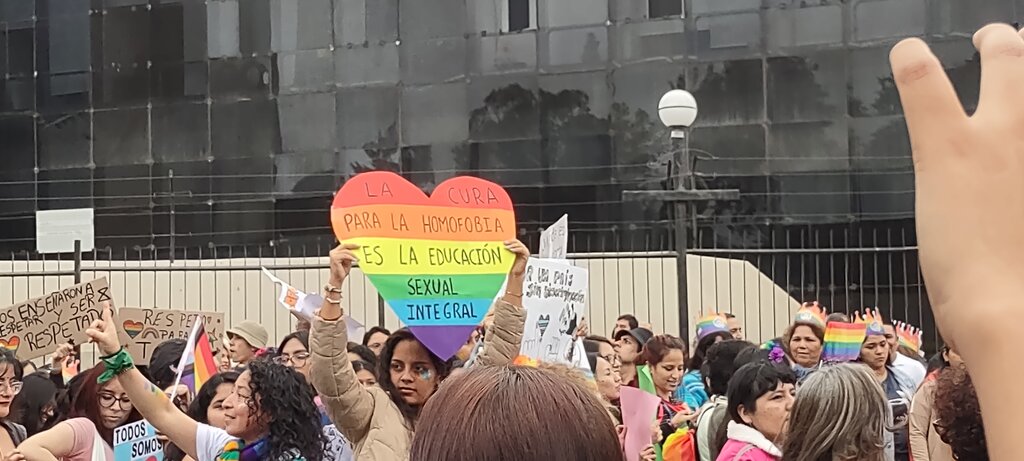
Another core component of sexuality is sexual orientation. This describes a person's pattern of emotional, romantic, and/or sexual attraction to other people.
Sexual orientation isn't about who you have sex with; it's about who you are drawn to. It's a fundamental part of a person's identity.
You might be familiar with some common terms to describe sexual orientation:
- Heterosexual: Attracted to people of a different gender.
- Homosexual (Gay/Lesbian): Attracted to people of the same gender.
- Bisexual: Attracted to people of more than one gender.
- Asexual: Not experiencing sexual attraction.
This is not an exhaustive list. Sexuality is a spectrum, and there are many ways people identify and experience attraction. It is a deeply personal aspect of who we are.
A Complex Mix
Sexuality isn't a simple equation where biology plus psychology equals a specific outcome. It's a dynamic interplay between our bodies, our minds, and the world we live in. Your biology gives you a starting point, your psychology shapes your personal experience, and society provides the context in which you live out your sexuality.
For instance, while hormones (biological) can influence desire, how you feel about that desire (psychological) and whether you feel safe expressing it (social) all contribute to your sexual experience. All three elements work together continuously, shaping who you are throughout your life.
Let's review the main ideas we've covered.
Now, let's test your understanding with a few questions.
Which of the following best describes the three core, interacting dimensions that shape human sexuality?
A person's internal, deeply held sense of being male, female, a blend of both, or neither is known as their ____.
By understanding these foundational concepts—sex, gender, sexual orientation, and the factors that influence them—we can better appreciate the diverse and complex nature of human sexuality.