Human Sexuality Explained
Introduction to Human Sexuality
The Basics of Sexuality
Human sexuality is a central part of who we are, but it's much more than just the act of sex. It involves our bodies, our identities, our desires, and our relationships. It’s shaped by a complex mix of biology, psychology, and social experiences. To understand it, we need to start with a few key building blocks.
Sex, Gender, and Identity
People often use the terms "sex" and "gender" interchangeably, but they refer to different concepts. Getting the distinction right is the first step toward understanding the bigger picture of sexuality.
Sex
noun
The biological and physiological characteristics that define humans as female, male, or intersex. These are based on chromosomes, hormones, and internal and external anatomy.
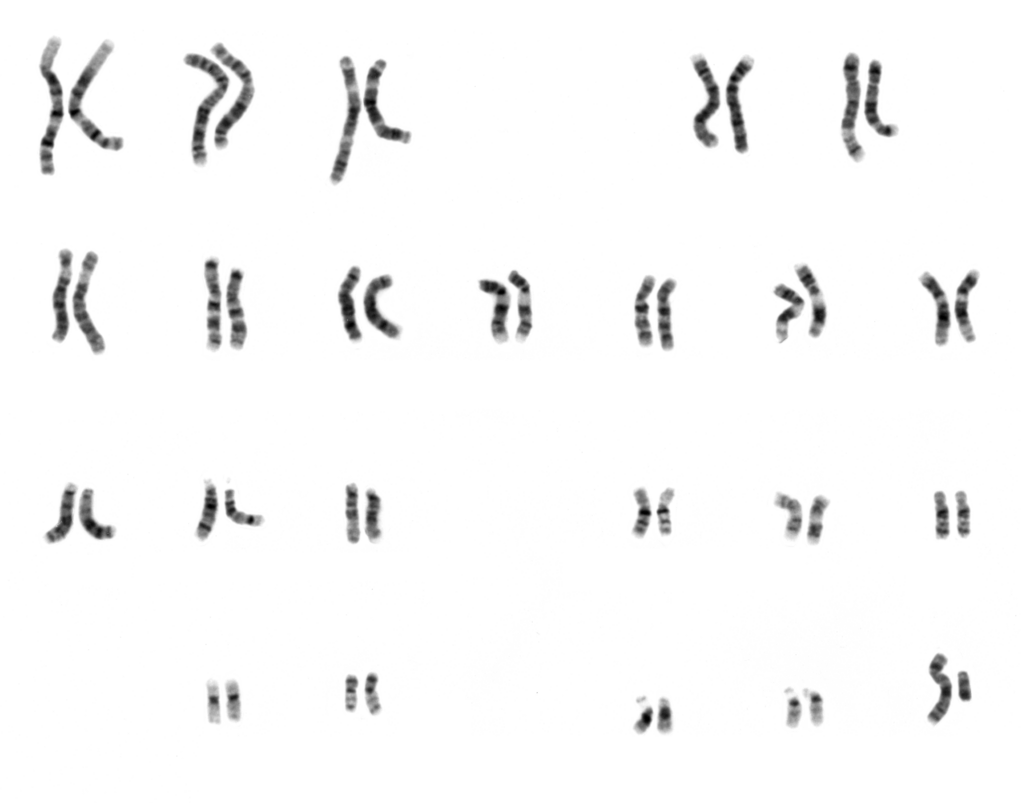
Sex is typically assigned at birth. Most people are born with XX chromosomes (typically female) or XY chromosomes (typically male). However, variations exist, leading to intersex traits, where a person's reproductive or sexual anatomy doesn't fit typical definitions of female or male.
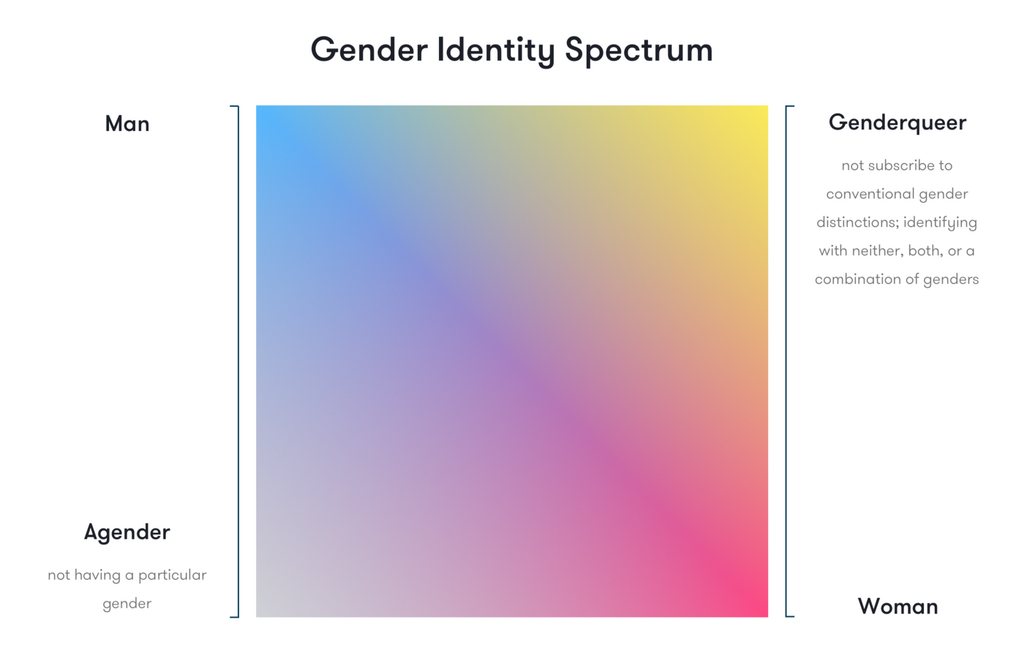
Gender, on the other hand, is more personal and social. It's not about what's between your legs, but what's between your ears.
- Gender Identity: This is your internal, deeply felt sense of being male, female, a blend of both, or neither. It may or may not correspond to the sex you were assigned at birth.
- Gender Expression: This is how you outwardly present your gender. It can include your choice of clothing, hairstyle, mannerisms, and name. Gender expression can be masculine, feminine, or androgynous.
Someone whose gender identity aligns with the sex they were assigned at birth is cisgender. Someone whose gender identity differs is transgender.
Attraction and Orientation
Another core piece of sexuality is sexual orientation, which describes a person's pattern of emotional, romantic, and sexual attraction to others.
Like gender, sexual orientation isn't a simple choice. It’s a fundamental part of who a person is. It exists on a spectrum, and it can be fluid for some people over their lifetime.
Here are some common terms for sexual orientation:
- Heterosexual: Attracted to people of a different gender.
- Homosexual (Gay or Lesbian): Attracted to people of the same gender.
- Bisexual: Attracted to more than one gender.
- Pansexual: Attracted to people regardless of their gender.
- Asexual: Experiences little to no sexual attraction to others.
The Biopsychosocial Model
So what shapes our sexuality? There's no single answer. Instead, experts use a framework called the biopsychosocial model. It suggests that our sexuality is the result of a constant interplay between three major forces: biology, psychology, and our social world.
-
Biological factors include things like our genes, hormones (such as testosterone and estrogen), and anatomy. These provide the basic hardware for sexual feelings and behaviors.
-
Psychological factors cover our thoughts, feelings, attitudes, and past experiences. How you feel about your body, your self-esteem, and your learned beliefs about sex all play a significant role.
-
Social and cultural factors are the messages we get from our family, friends, school, religion, and the media. Every culture has its own rules and norms about what is considered acceptable or desirable when it comes to sexuality.
It is a long-standing question whether human sexual and reproductive cycles are affected predominantly by biology or culture.
These three areas don't work in isolation. They constantly influence each other. A biological change like puberty triggers new psychological feelings, which are then shaped by the social rules you've learned. This model helps explain why human sexuality is so diverse and personal.
Now let's review the key terms we've covered.
Time to check your understanding.
What is the primary difference between 'sex' and 'gender'?
A person whose gender identity aligns with the sex they were assigned at birth is known as:
Understanding these foundational concepts—sex, gender, orientation, and the forces that shape them—is the first step in exploring the rich and complex world of human sexuality.