Human Sexuality Explained
Introduction to Human Sexuality
What is Sexuality?
Human sexuality is a central part of who we are, but it’s often misunderstood. It’s not just about the physical act of sex. It's a complex tapestry woven from our bodies, our minds, and the world around us. To understand it, we need to look at its biological, psychological, and social dimensions all at once.
Core Concepts
Let's start by defining a few key terms. People often use these words interchangeably, but they refer to distinct aspects of our identity.
Sex
noun
The biological characteristics that distinguish between male, female, and intersex. This is based on chromosomes, hormones, and anatomy.
Sex is typically assigned at birth. While often viewed as a simple binary (male or female), biological sex is more of a spectrum. Some individuals are intersex, meaning they have variations in sex characteristics that don't fit typical definitions of male or female.
Gender Identity
noun
An individual's internal, deeply held sense of their gender. This may or may not correspond to the sex assigned at birth.
Your gender identity is your personal sense of self. It's about who you know yourself to be. A person whose gender identity aligns with the sex they were assigned at birth is cisgender. A person whose gender identity differs from their sex assigned at birth is transgender.
Gender is different from gender expression, which is how we outwardly present our gender through our actions, clothing, and demeanor.
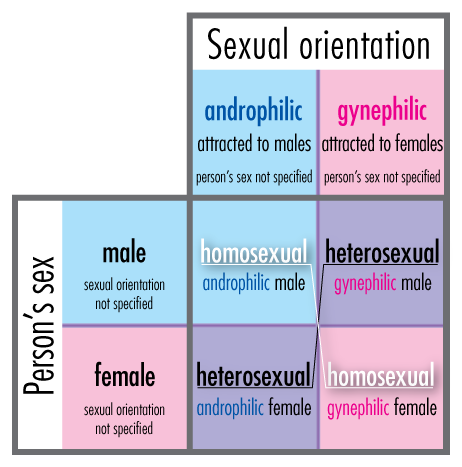
Sexual Orientation
noun
A person's enduring pattern of emotional, romantic, and/or sexual attraction to other people.
Sexual orientation is about who you're attracted to. This includes being heterosexual (attracted to a different gender), gay or lesbian (attracted to the same gender), bisexual (attracted to more than one gender), or asexual (not experiencing sexual attraction), among others. It’s separate from both sex and gender identity.
A Wider View
Our understanding of sexuality hasn't always been the same. What's considered normal or acceptable has shifted dramatically across history and varies widely between cultures.
In some ancient societies, like Greece, relationships between people of the same sex were common and sometimes even celebrated. In contrast, other eras, like Victorian England, imposed strict and repressive views on sexual expression. Culture provides the script for our sexual lives—it shapes our attitudes, tells us what is desirable, and sets the rules for how we form relationships.
Sexuality began to have its new meaning in the late nineteenth century, as men and women began to think of themselves less as members of a sex (or as members of a family, a nation, a race), and to think of themselves more as simply themselves.
To get a complete picture, it helps to use a framework called the biopsychosocial model. This model suggests that sexuality is shaped by the interplay of three key forces:
| Factor | Description |
|---|---|
| Biological | Our genetics, hormones, and anatomy. This is the physical foundation of our sexuality. |
| Psychological | Our thoughts, feelings, past experiences, and self-perception. This is our internal experience of sexuality. |
| Social | Our cultural background, family, friends, and media influences. This is the world that shapes our sexual values and behaviors. |
None of these factors works in isolation. They all interact to create the unique and complex experience of sexuality for each person. A biological predisposition might be expressed differently depending on your psychological state and the social norms you grew up with. This integrated approach helps us see sexuality not as a single, simple thing, but as a dynamic and essential part of the human experience.
Which of the following best describes the difference between gender identity and sexual orientation?
A person whose gender identity aligns with the sex they were assigned at birth is best described as...