Human Sexuality Explained
Introduction to Human Sexuality
What is Human Sexuality?
Human sexuality is a central part of who we are, but it’s much more than just the act of sex. It's a complex tapestry woven from our biology, our thoughts and feelings, and the society we live in. Understanding sexuality means looking at how these three threads interact to shape our identities, attractions, and experiences.
Sexuality includes your sexual feelings, thoughts, attractions, and behaviors towards other people. You can find other people physically, sexually, or emotionally attractive, and all those things are a part of your sexuality.
The Biological Foundation
At its most basic level, our biology provides the blueprint for our physical bodies. This includes our reproductive systems, hormones, and genetic makeup (like XX or XY chromosomes). These biological factors determine our sex assigned at birth.
Male and female reproductive anatomies have different structures, but they develop from the same embryonic tissues. This shared origin highlights a fundamental biological connection. For example, the testes in males and the ovaries in females are both gonads, responsible for producing hormones and reproductive cells.
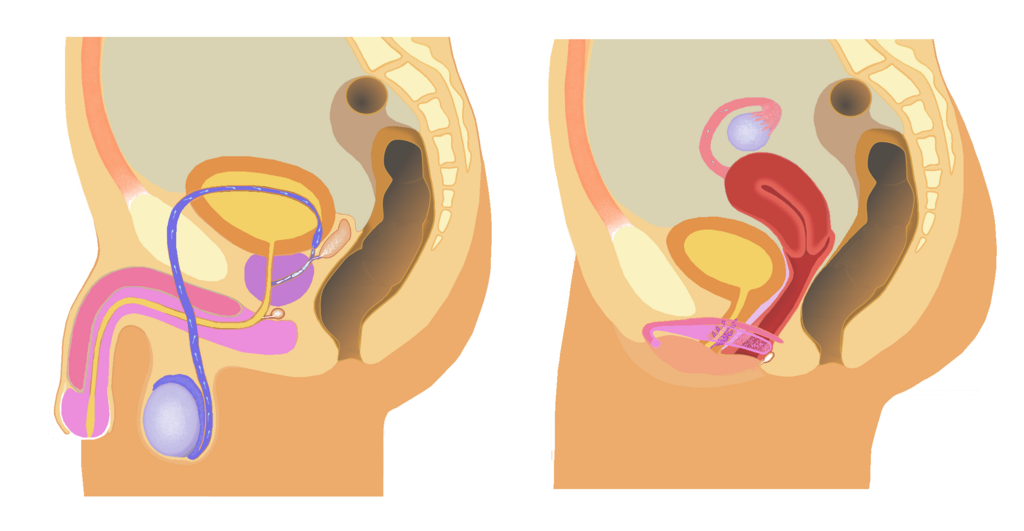
While biology provides the physical hardware, it doesn't tell the whole story. Our minds and personal sense of self add another crucial layer to our sexuality.
The Mind and Identity
The psychological dimension of sexuality involves our inner world: who we are and who we're drawn to. Two key concepts here are gender identity and sexual orientation. It's important to remember that these are separate ideas.
Gender Identity
noun
A person's internal, deeply held sense of their gender. This can be male, female, a blend of both, or neither. It may or may not correspond to the sex they were assigned at birth.
Gender identity is about who you are.
Sexual Orientation
noun
A person's enduring pattern of emotional, romantic, or sexual attraction to other people. This includes identities like gay, lesbian, bisexual, straight, and asexual.
Sexual orientation is about who you are attracted to.
Think of it this way: Gender identity is how you see yourself. Sexual orientation is how you see others.
Our sexual behaviors—the ways we choose to express our sexuality—are also part of this psychological dimension. These behaviors are diverse and can change throughout a person's life.
Sexuality in Society
No one exists in a vacuum. The society and culture we grow up in profoundly influence our understanding and expression of sexuality. Cultural norms, laws, religious beliefs, and media portrayals all send messages about what is considered 'normal' or 'acceptable.'
For example, attitudes about premarital sex, same-sex relationships, and gender expression have varied dramatically across different cultures and historical periods. What is openly celebrated in one society might be taboo in another. These social factors can shape everything from our comfort with our own bodies to our decisions about relationships.
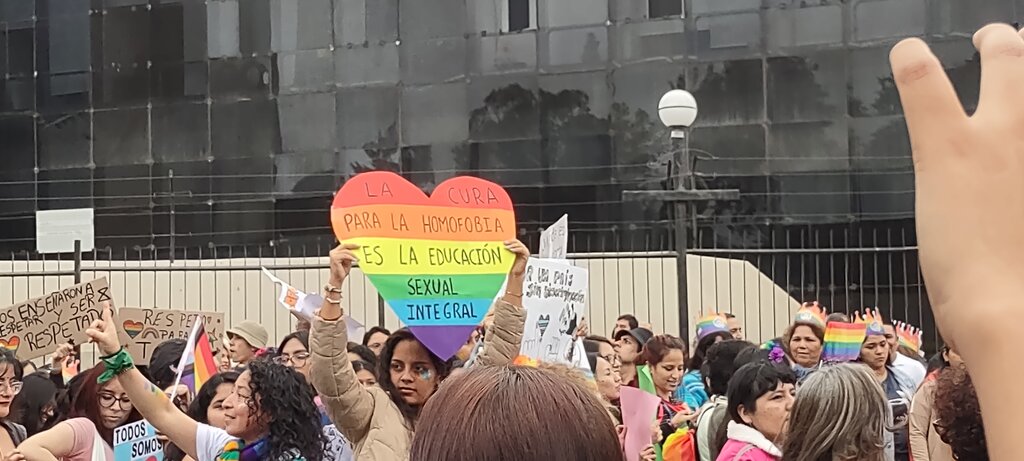
Ultimately, human sexuality is a dynamic interplay of these biological, psychological, and social forces. Each component influences the others, creating the unique and personal experience of sexuality that each of us has.
Let's check your understanding of these foundational concepts.
Human sexuality is best understood as a dynamic interplay of which three dimensions?
Which of the following statements best distinguishes between gender identity and sexual orientation?
By looking at the biological, psychological, and social dimensions together, we get a much fuller and more accurate picture of this fundamental aspect of the human experience.