Human Sexual Activity
Anatomy and Physiology
The Male Reproductive System
The male reproductive system is designed for two primary jobs: producing sperm and the hormone testosterone. These functions are handled by a combination of internal and external organs.
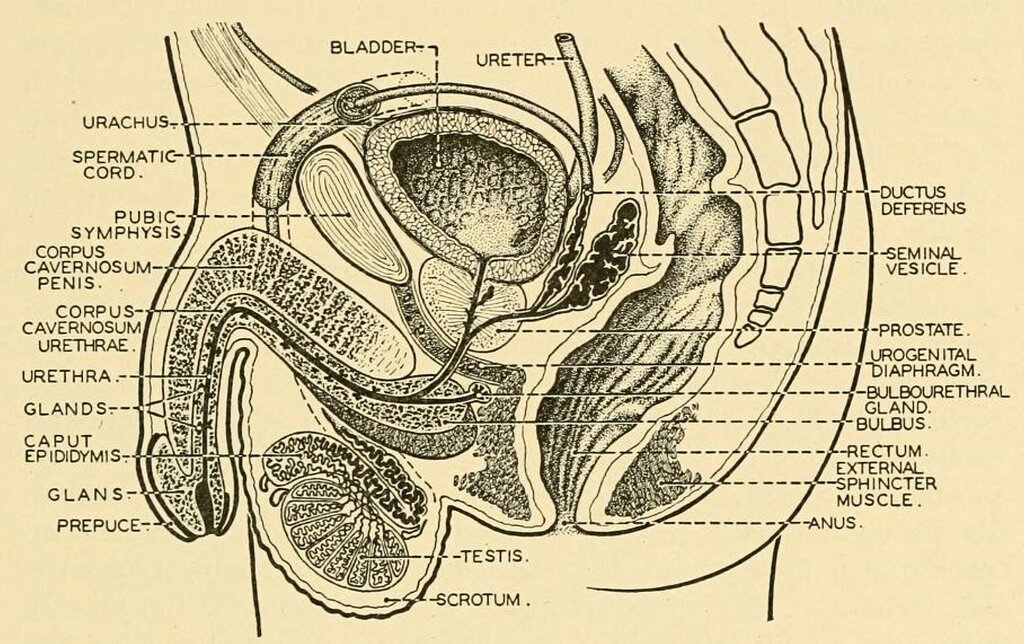
The most visible parts are the penis and the scrotum. The penis is the organ used for urination and sexual intercourse. The scrotum is a pouch of skin that hangs behind the penis. Its main job is to hold the testes and keep them at a slightly cooler temperature than the rest of the body, which is crucial for producing healthy sperm.
Inside the scrotum are the testes (or testicles). These are two oval-shaped glands responsible for making sperm and producing testosterone, the primary male sex hormone. Once sperm are produced, they move into the epididymis, a long, coiled tube on the back of each testicle. Here, they mature and are stored until they're ready to be released.
Think of the epididymis as a training ground where sperm mature and wait for their mission.
When a male ejaculates, sperm travel from the epididymis through a tube called the vas deferens. This tube carries the sperm up into the pelvic cavity, where it mixes with fluids from two key glands. The seminal vesicles produce a sugar-rich fluid that provides sperm with energy. The prostate gland adds a milky fluid that helps the sperm swim more effectively. This mixture of sperm and fluids is called semen.
The Female Reproductive System
The female reproductive system is structured to produce eggs (ova), facilitate fertilization, and support the development of a fetus during pregnancy. Like the male system, it has both external and internal components.
vulva
noun
The external genital organs of the female.
The external anatomy is collectively known as the vulva. This includes the labia majora and labia minora, which are folds of skin that protect the other external organs. The clitoris, a small and highly sensitive organ, is located at the front of the vulva and is a primary source of sexual pleasure.
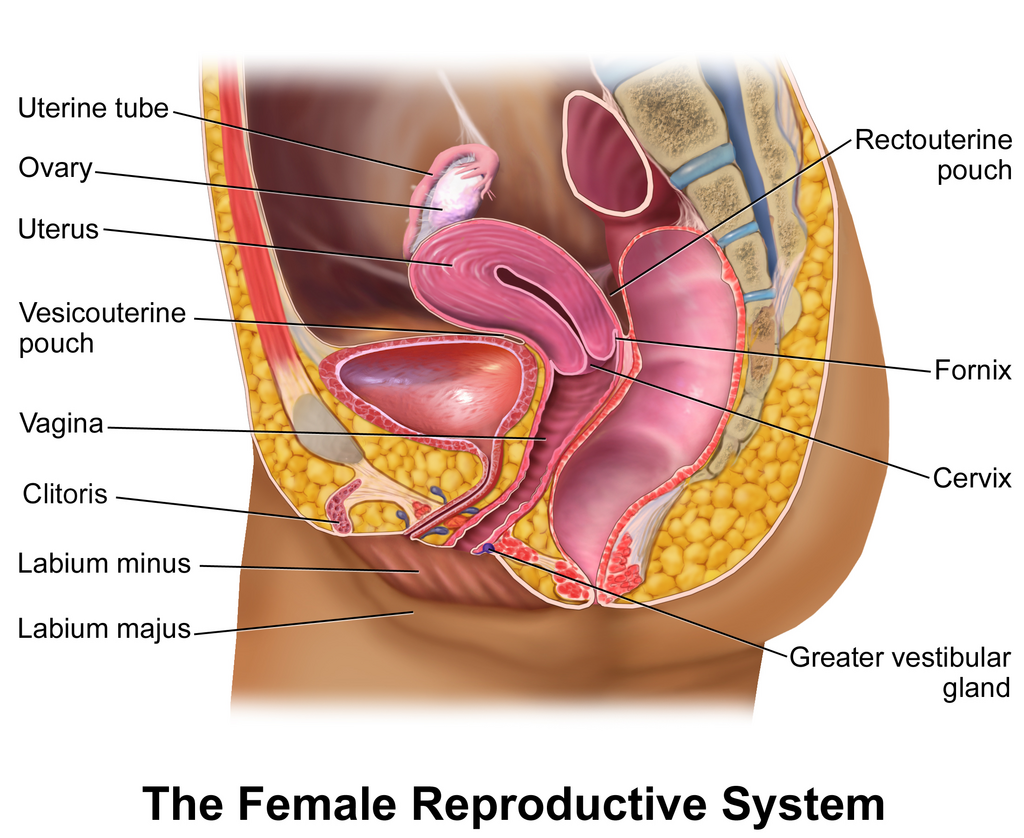
The internal organs include the vagina, uterus, fallopian tubes, and ovaries.
The vagina is a muscular tube that connects the vulva to the cervix, which is the lower part of the uterus. The uterus, often called the womb, is a pear-shaped organ where a fertilized egg implants and develops into a fetus.
Leading from the uterus are the fallopian tubes. Each tube connects to an ovary. The ovaries are small, oval-shaped glands that produce eggs and the primary female hormones, estrogen and progesterone. Around once a month, one of the ovaries releases an egg in a process called ovulation. This egg then travels down the fallopian tube, where it can be fertilized by sperm.
Hormones Steer the Ship
Hormones are chemical messengers that regulate nearly all bodily functions, including reproduction and sexual characteristics. This regulation starts in the brain, specifically in the hypothalamus and pituitary gland.
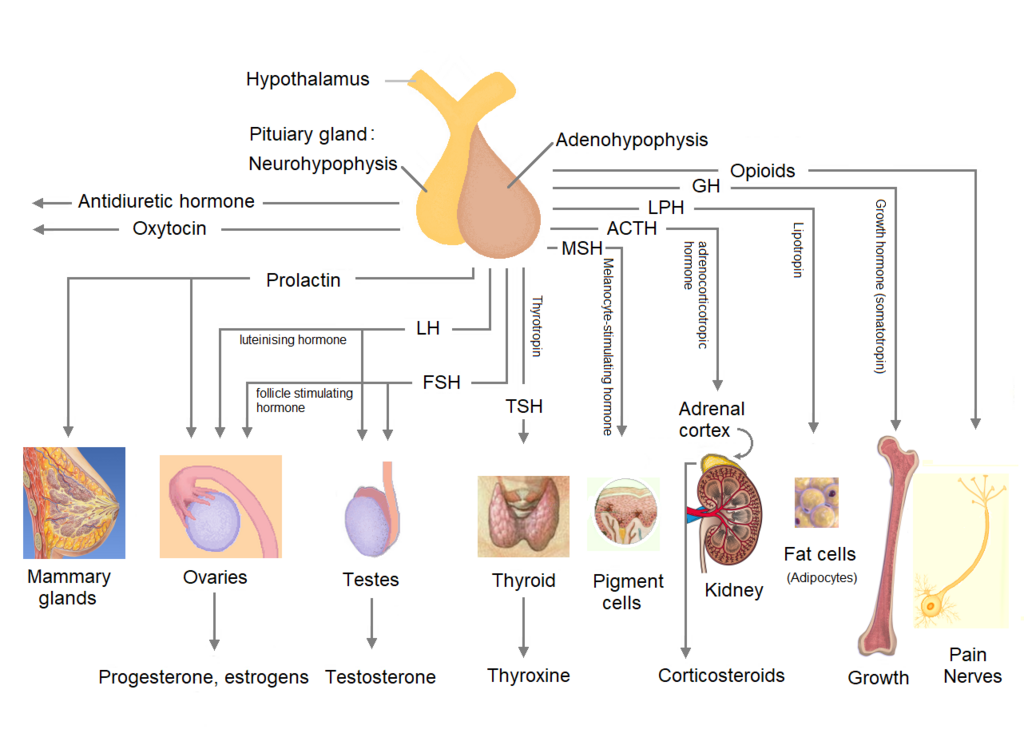
The pituitary gland releases two key hormones in both males and females: Follicle-Stimulating Hormone (FSH) and Luteinizing Hormone (LH). Though they have the same names, their effects differ between the sexes.
In males, FSH stimulates the testes to produce sperm, while LH triggers the production of testosterone. Testosterone is responsible for developing male secondary sexual characteristics like a deeper voice and facial hair, and it also plays a critical role in maintaining sex drive.
In females, FSH and LH work together to regulate the menstrual cycle. FSH encourages the growth of egg follicles in the ovaries. As a follicle matures, it produces estrogen. A surge in LH then causes the ovary to release the mature egg (ovulation). After ovulation, the remnants of the follicle produce progesterone, which prepares the uterus for a potential pregnancy.
Estrogen and progesterone are the main drivers of the menstrual cycle and the development of female secondary sexual characteristics, such as breast development.
These hormones create a complex, finely tuned system. The brain signals the glands, the glands release hormones, and these hormones manage everything from sperm production to the monthly cycle, ensuring the reproductive systems are ready for their roles.
What is the primary function of the scrotum?
After being produced in the testes, sperm mature and are stored in the ______.