Human Resources Management Fundamentals
Introduction to Human Resources Management
What is Human Resources?
At its heart, Human Resources Management (HRM) is about managing an organization's most valuable asset: its people. Think of any company, big or small. What makes it run? The employees. HRM is the process of finding the right people, helping them grow, and creating an environment where they can do their best work to help the company succeed.
Human Resources Management (HRM) is the attraction, selection, retention, development, and utilization of labor resource in order to achieve both individual and organizational objectives.
Without effective HRM, a business is just a collection of individuals. With it, a business becomes a coordinated team working toward a common goal. It’s the bridge between the company's strategic vision and the people who make that vision a reality.
How HR Evolved
HR hasn't always been a strategic partner in business. Its role has changed dramatically over time.
During the Industrial Revolution, the focus was purely administrative. This early version of HR, often called "personnel management," was mainly concerned with hiring workers for factory lines, tracking hours, and processing payroll. The goal was efficiency, and employees were often seen as interchangeable parts in a machine.
A shift began in the early 20th century with the rise of the Human Relations Movement. Thinkers like Elton Mayo argued that social factors, like morale and a sense of belonging, were crucial for productivity. This new perspective suggested that happy, respected employees work harder and more effectively. The focus expanded from simple administration to include employee welfare.
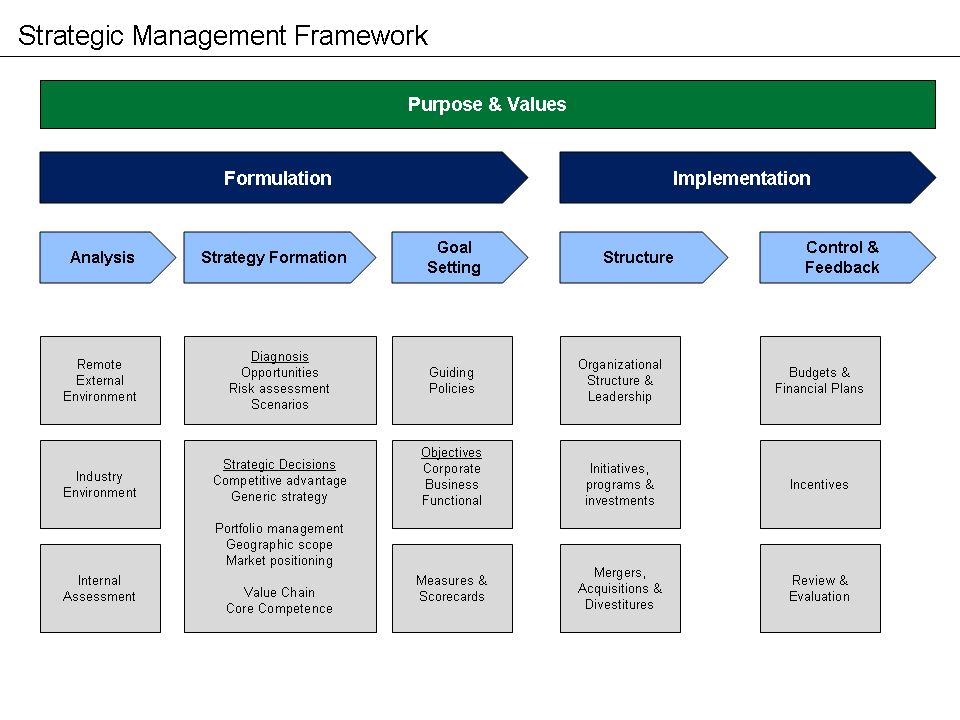
By the late 20th century, the field transformed again. Businesses realized that managing people strategically could provide a significant competitive advantage. HRM became a key function, involved in long-term planning, leadership development, and shaping company culture. Today, HR is integral to an organization's success, aligning people strategies with business objectives.
Core Functions of HRM
Modern HR departments handle a wide range of responsibilities that touch every part of an employee's time with a company, often called the "employee lifecycle." While the specifics vary by company, the core functions are consistent.
| Function | Description |
|---|---|
| Recruitment & Selection | Attracting, screening, and hiring the best candidates for open positions. |
| Training & Development | Onboarding new hires and providing ongoing opportunities for employees to learn new skills. |
| Compensation & Benefits | Designing and managing salary structures, bonuses, health insurance, and other perks. |
| Performance Management | Creating systems to evaluate employee performance, provide feedback, and support career growth. |
| Employee Relations | Fostering a positive work environment and resolving conflicts or issues that arise. |
| Legal Compliance | Ensuring the organization follows all labor laws and regulations to avoid legal risks. |
These functions are interconnected. A good compensation plan helps attract top talent, while strong training programs can improve performance and employee satisfaction. Together, they create a comprehensive system for managing a company's workforce.
The Role of the HR Professional
The role of an HR professional today is multifaceted. They are no longer just rule-enforcers or paper-pushers. Instead, they act as strategic partners, employee advocates, and change agents.
As strategic partners, they work with company leaders to align HR strategies with business goals. For example, if a company plans to expand into a new market, HR helps determine the workforce needs, talent acquisition strategy, and training required for that expansion.
As employee advocates, they ensure that employees are treated fairly and have a voice. They listen to concerns, mediate disputes, and work to create a supportive and inclusive company culture where everyone feels valued.
As change agents, HR professionals guide organizations through transitions, whether it's a merger, the adoption of new technology, or a shift in company culture. They help manage the human side of change, ensuring employees are informed, prepared, and supported.
In short, a modern HR professional does more than manage human resources; they cultivate the human potential that drives the organization forward.
Let's check your understanding of these foundational concepts.
What is the primary focus of Human Resources Management (HRM)?
The Human Relations Movement of the early 20th century introduced the idea that ______ were crucial for productivity.
Understanding these basic principles of Human Resources Management is the first step. It provides the context for all the specific practices and strategies that make organizations thrive.