Human Resources Management Certification
Introduction to Human Resource Management
What Is Human Resource Management?
Human Resource Management, or HRM, is the strategic approach to managing an organization's most valuable asset: its people. It's the process of making sure the company has the right talent to achieve its goals, and that those people are supported, developed, and engaged throughout their time with the company.
Human Resources Management (HRM) is the attraction, selection, retention, development, and utilization of labor resource in order to achieve both individual and organizational objectives.
Think of it as a dual-focused discipline. On one hand, HRM serves the organization by building a productive and effective workforce. On the other, it supports employees by creating a positive work environment, offering growth opportunities, and ensuring fair treatment. The ultimate goal is to align the needs of the employees with the strategic objectives of the business, creating a situation where both can thrive.
From Filing Cabinet to Strategic Partner
HR wasn't always seen as a strategic part of the business. Its roots are in what used to be called "personnel administration." This early version of HR was mostly an administrative function, focused on the nuts and bolts of employment. The personnel department handled paperwork, processed payroll, enforced rules, and managed hiring and firing. It was a necessary but reactive role, often seen as the company's rule enforcer or paper-pusher.
Over time, business leaders began to realize that people aren't just costs to be managed; they are the driving force behind innovation, productivity, and success. This shift in thinking transformed personnel administration into modern Human Resource Management.
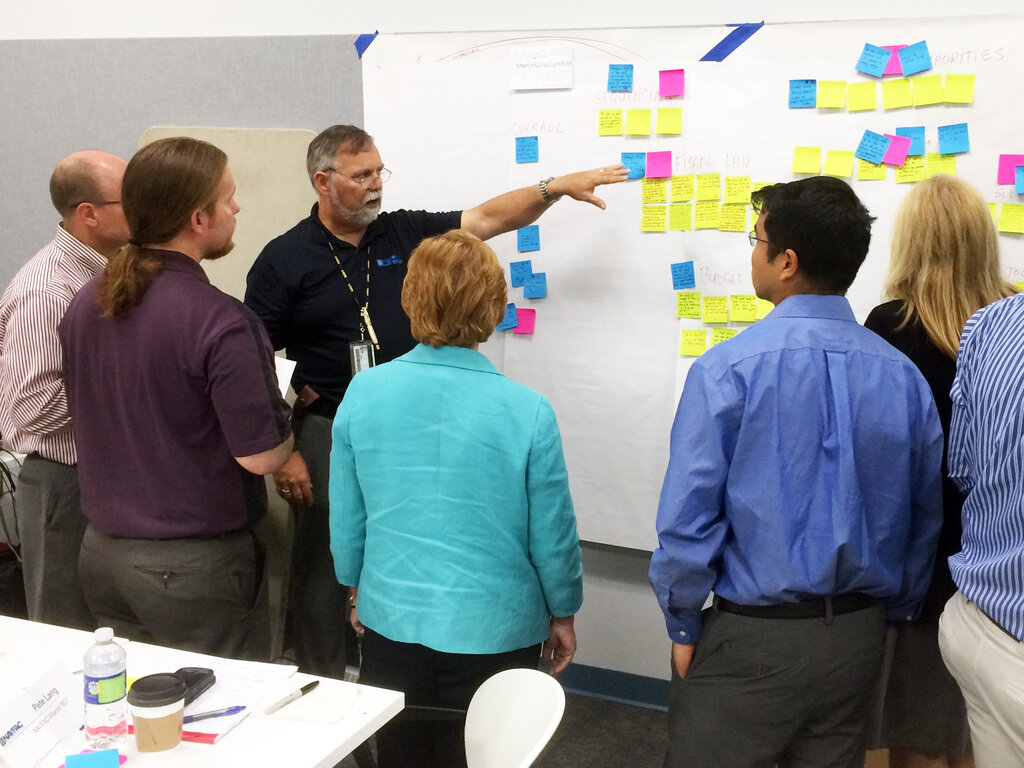
Today, HR is expected to be a strategic partner. Instead of just reacting to issues, HR professionals work proactively with leadership to shape the company's direction. They analyze workforce trends, develop talent pipelines, and build a company culture that supports the organization's long-term vision. The focus has moved from simple administration to cultivating a competitive advantage through people.
The Core Functions of HR
While the role of HR has become more strategic, it still manages a wide range of essential functions that form the backbone of the employee experience. These functions are often called the employee lifecycle, covering every stage of an employee's journey with the organization.