Human Resource Management Fundamentals
Introduction to HRM
What is Human Resource Management?
Think of any organization, from a small coffee shop to a massive tech company. What's their most valuable asset? It's not the building, the computers, or the coffee machines. It's the people. Human Resource Management, or HRM, is the practice of managing these people in a way that helps the organization succeed.
Human Resources Management (HRM) is the attraction, selection, retention, development, and utilization of labor resource in order to achieve both individual and organizational objectives.
At its core, HRM is about maximizing employee performance in service of a company's strategic goals. It's not just about administrative tasks like payroll, though that's part of it. It's about creating a system that supports employees throughout their entire journey with a company, from the day they apply to the day they leave. This journey is often called the employee lifecycle.
The Core Functions of HR
HRM covers a lot of ground. While the specific duties can vary depending on the size and type of the organization, they generally fall into a few key areas. These functions work together to ensure the company has the right people, with the right skills, in the right roles, at the right time.
Here’s a quick look at what each of these functions involves:
-
Talent Acquisition: This is about more than just posting job ads. It involves planning for future hiring needs, building a strong employer brand to attract candidates, and efficiently recruiting, interviewing, and onboarding new hires.
-
Compensation and Benefits: This function ensures employees are paid fairly and competitively. It involves designing salary structures, managing payroll, and administering benefits like health insurance, retirement plans, and paid time off.
-
Employee Relations: This area focuses on maintaining a positive and productive work environment. HR professionals handle employee concerns, mediate conflicts, and ensure that company policies are communicated clearly and applied fairly to everyone.
-
Training and Development: To keep the workforce skilled and engaged, HR develops and oversees training programs. This can range from new-hire orientation to leadership development for senior managers, helping employees grow their careers within the company.
The Strategic Role of HR
In the past, HR was often seen as a purely administrative department, focused on paperwork and rule enforcement. That has changed dramatically. Today, HRM plays a crucial strategic role in shaping an organization's future.
Effective HR management has shifted from being reactive to proactive. Instead of just solving problems as they arise, strategic HR anticipates future challenges and opportunities and prepares the organization to meet them.
This means HR leaders are now key partners in the company's decision-making process. They work alongside other executives to ensure that all people-related strategies support the company's overall mission. For example, if a company's goal is to expand into a new international market, the HR team must develop a plan to hire local talent, navigate foreign labor laws, and create a training program that addresses cultural differences. The business strategy and the people strategy must be perfectly aligned.
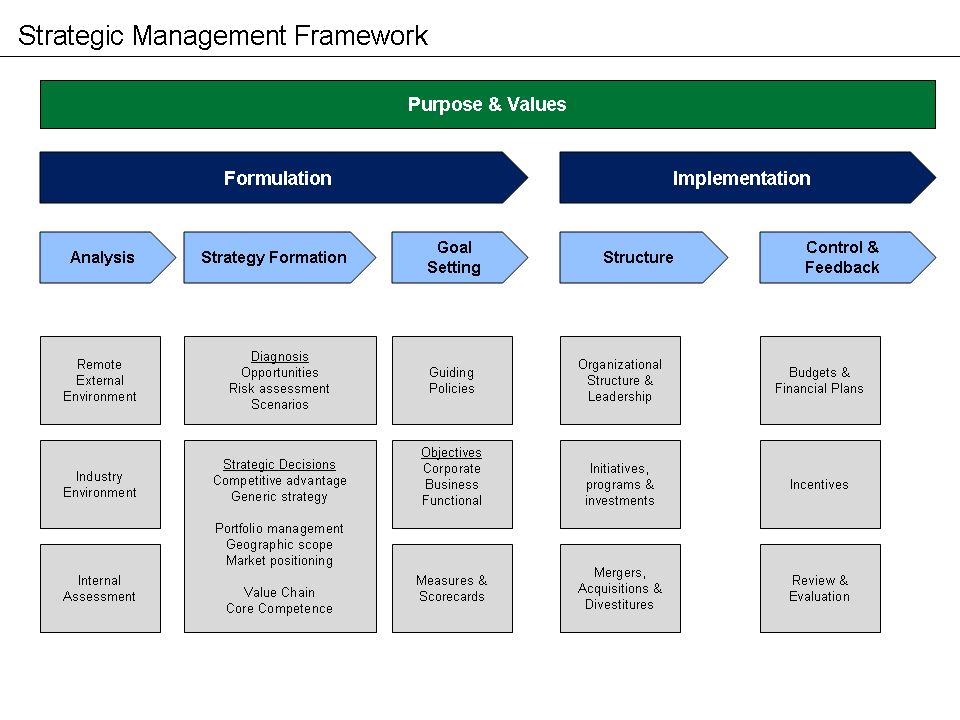
By understanding the business inside and out, HR can build a workforce that has the skills, motivation, and agility to help the company thrive. This strategic approach transforms HR from a cost center into a value driver.
HRM and Organizational Performance
Ultimately, the goal of HRM is to improve the organization's performance. When HR functions are executed well and aligned with strategy, the results are tangible.
| HR Practice | Impact on Performance |
|---|---|
| Effective Recruitment | Higher quality hires, improved productivity |
| Fair Compensation | Increased employee motivation and retention |
| Positive Employee Relations | Lower employee turnover, fewer conflicts |
| Continuous Development | Upskilled workforce, better innovation |
Companies that invest in their people through strong HRM practices tend to see higher employee engagement and satisfaction. Engaged employees are more productive, provide better customer service, and are more likely to stay with the company long-term. This stability reduces the high costs associated with recruitment and training new staff.
In short, good human resource management isn't just a "nice to have." It's a fundamental part of building a successful, resilient, and high-performing organization.
Time to check your understanding.
What is the primary, modern goal of Human Resource Management (HRM)?
A manager notices a skill gap in their team that could hinder a future project. They work with HR to create a series of workshops to upskill the employees. Which HRM function does this action fall under?
This foundation gives you a framework for understanding how organizations manage their most important resource: their people. By mastering these core ideas, you'll be ready to explore the more specific aspects of the field.