Human Reproductive System Organs and Functions
Introduction to Human Reproductive Anatomy
The Blueprint of Life
The human reproductive system is responsible for one of biology's most fundamental tasks: creating new life. This complex network of organs, glands, and hormones ensures the continuation of our species. The system is divided into two distinct but complementary types, male and female, each with a unique set of structures designed to produce, nourish, and transport reproductive cells.
Primary Players: The Gonads
At the heart of both reproductive systems are the primary reproductive organs, also known as the gonads. Think of them as the main factories. Their job is two-fold: they produce the reproductive cells, called gametes, and they manufacture the hormones that regulate the entire system.
gamete
noun
A mature reproductive cell, such as a sperm or egg, that unites with another cell to form a new organism.
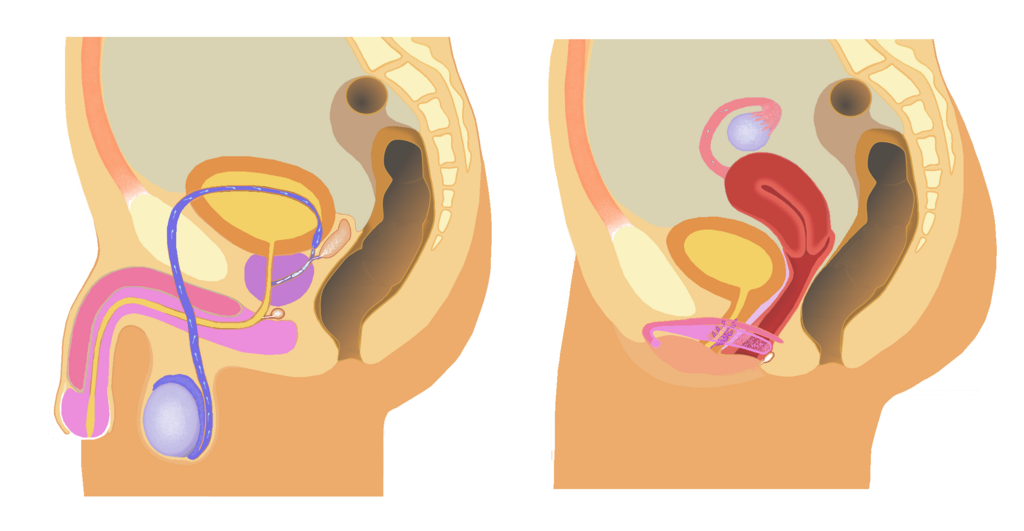
In males, the gonads are the testes. They are responsible for producing sperm, the male gamete. In females, the gonads are the ovaries, which produce eggs, or ova, the female gamete.
Besides producing these cells, the testes and ovaries release crucial hormones. The testes produce testosterone, and the ovaries produce estrogen and progesterone. These hormones do more than just manage reproduction; they also drive the development of secondary sexual characteristics, like a deep voice in males or the development of breasts in females.
The Support System
While the gonads produce the gametes, a network of secondary reproductive organs is needed to transport and sustain them. These structures include various ducts, glands, and other organs that create the right environment for fertilization and development.
In the male system, a series of ducts, including the epididymis and vas deferens, store and transport sperm. Glands like the seminal vesicles and prostate gland add fluids to the sperm to create semen. This fluid nourishes the sperm and helps it travel.
In the female system, secondary organs include the fallopian tubes, the uterus, and the vagina. The fallopian tubes provide a pathway for the egg to travel from the ovary to the uterus. The uterus is where a fertilized egg can implant and develop during pregnancy. These organs are designed to receive sperm, facilitate fertilization, and support a growing fetus.
Hormonal Control
The entire reproductive process is directed by hormones. These chemical messengers are produced primarily by the brain and the gonads. The hypothalamus and pituitary gland in the brain act as a control center, releasing hormones that travel through the bloodstream to the testes or ovaries.
In response, the gonads release their own hormones, like testosterone and estrogen. This creates a feedback loop. The levels of these hormones in the blood signal back to the brain, which then adjusts its own hormone production accordingly. This intricate system ensures that reproductive functions, like the menstrual cycle in females or sperm production in males, happen at the right time and in the right way.
Now let's check your understanding of these core concepts.
What are the primary reproductive organs, also known as gonads?
Which pair correctly matches a gland with the hormone it produces?
Understanding these fundamental components—primary organs, secondary organs, and hormonal control—provides a solid foundation for exploring the complexities of human reproduction.