Human Pregnancy Explained
Reproductive System Overview
Blueprint for a New Beginning
The human reproductive system is responsible for one of biology's most remarkable feats: creating new life. While the male and female systems are distinct, they are designed to work together. Each system has its own unique organs and is governed by a precise cocktail of hormones, all aimed at the potential for reproduction.
The Female Reproductive System
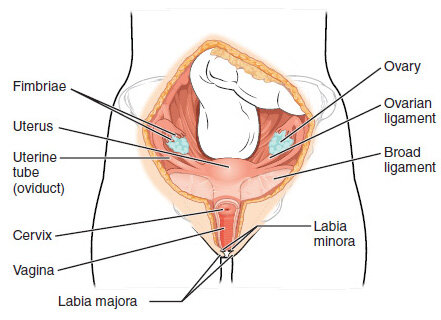
The core of the female reproductive system is located within the pelvis. It's a set of internal organs working in a cyclical, coordinated fashion. The primary organs are the ovaries, two almond-shaped glands that sit on either side of the uterus.
Ovary
noun
One of a pair of female glands in which the eggs form and the female hormones estrogen and progesterone are made.
Each month, one of the ovaries releases a mature egg. This egg then travels down one of two fallopian tubes, which act as pathways connecting the ovaries to the uterus. The uterus is a pear-shaped, muscular organ. Its inner lining, the endometrium, thickens each month to prepare a nourishing environment for a fertilized egg. If fertilization doesn't occur, this lining is shed. The uterus connects to the vagina, a muscular tube that opens to the outside of the body.
The Male Reproductive System
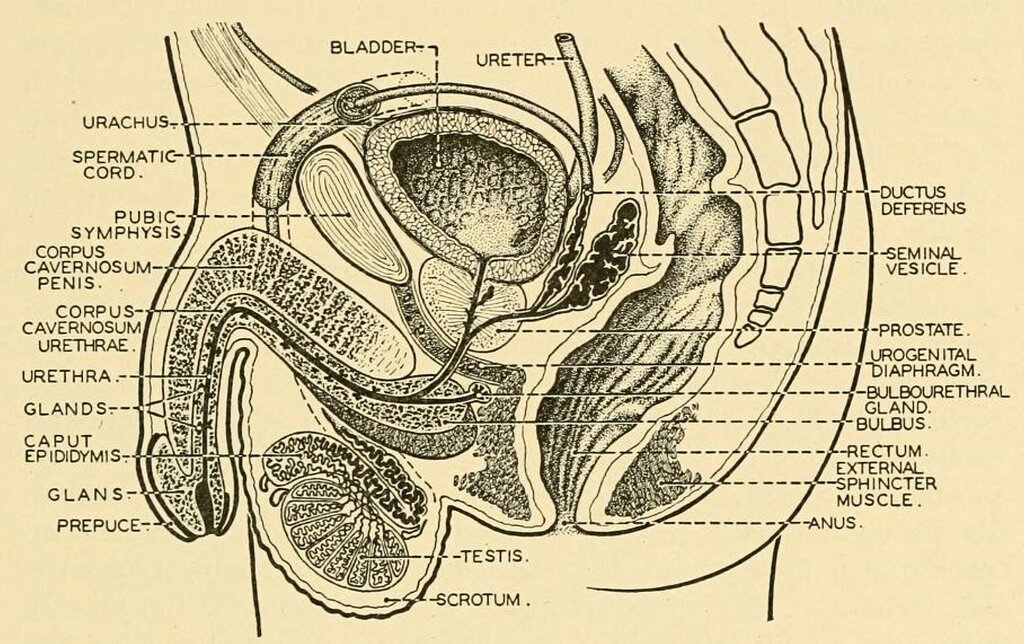
The male system is focused on producing and delivering sperm. The primary organs are the two testes (or testicles), which are held in a pouch of skin called the scrotum. The scrotum's location outside the main body cavity helps keep the testes at a slightly lower temperature, which is optimal for sperm production.
Testis
noun
Either of the two oval organs that produce sperm in a male and are contained in the scrotum.
Inside the testes, sperm are constantly being produced. From there, they move into the epididymis, a long, coiled tube where they mature and are stored. During ejaculation, sperm travel from the epididymis through a tube called the vas deferens. Along the way, fluids are added from the seminal vesicles and the prostate gland. This mixture of sperm and fluid is called semen. The semen then exits the body through the urethra, the same tube that carries urine out of the body.
Hormones: The Chemical Conductors
None of these processes would happen without hormones. These chemical messengers travel through the bloodstream, telling the reproductive organs what to do and when to do it. The entire system is controlled by a small area in the brain called the hypothalamus.
The hypothalamus signals the nearby pituitary gland to release two crucial hormones: Follicle-Stimulating Hormone (FSH) and Luteinizing Hormone (LH). These are the master switches for reproduction in both men and women.
In females, FSH stimulates a follicle (a small, fluid-filled sac in the ovary containing an immature egg) to grow. LH then triggers the release of the mature egg from the follicle, an event called ovulation. These follicles also produce the main female hormones, estrogen and progesterone, which regulate the uterine lining.
In males, FSH is necessary for sperm production, while LH stimulates the testes to produce testosterone. Testosterone is the primary male sex hormone, responsible for sperm development and male physical characteristics.
The Menstrual Cycle
The menstrual cycle is the result of this complex hormonal interplay in females. It's an approximately 28-day cycle of changes that prepares the body for a potential pregnancy. The cycle is marked by two main phases.
- Follicular Phase: This phase begins on the first day of menstruation (the period). During this time, FSH prompts follicles in the ovary to grow. As a follicle matures, it produces more estrogen, causing the uterine lining to thicken. This phase ends with ovulation around day 14, when a surge of LH causes the mature egg to be released.
- Luteal Phase: After ovulation, the ruptured follicle transforms into a structure called the corpus luteum, which produces progesterone. Progesterone makes the uterine lining even thicker and ready for a fertilized egg. If pregnancy doesn't occur, the corpus luteum breaks down, hormone levels drop, and the uterine lining is shed, starting the next cycle.
Understanding this foundational anatomy and the hormonal signals that drive it is the first step in appreciating the entire process of human reproduction.
Where does sperm maturation and storage primarily occur?
A sharp surge in which hormone directly triggers ovulation?