Human Development Across the Lifespan
Introduction to Human Development
What is Human Development?
From the moment of conception to the end of life, we are constantly changing. Human development is the scientific study of these changes. It's a field that explores how and why people grow, adapt, and remain the same over time. Think of it as the story of a person's life, but told from a scientific perspective, focusing on the journey from a single cell to a complex, thinking, feeling individual.
This field isn't just about childhood. While the early years are incredibly important, development continues through adolescence, adulthood, and old age. Researchers in this area want to understand the patterns of growth and the factors that influence them, from our genes to our environment.
Why study this? Understanding development helps us support healthy growth, create better educational strategies, and inform public policies that affect families and children.
The Three Domains
To make sense of the complex process of development, experts break it down into three interconnected areas or domains. Imagine a single person as a project with three distinct, but related, departments working together.
These domains are physical development, which focuses on changes of the physical body, cognitive development, which focuses on mental abilities and activities, and psychosocial development, which focuses on the social, mental, and personality.
Let's look at each one.
Physical development involves changes in the body and brain. This includes everything from genetics and nutrition to motor skills like learning to walk. It’s the hardware of our being.
Cognitive development covers our mental processes. This is where we see changes in thinking, learning, memory, language, and creativity. It's the software that runs on our biological hardware.
Psychosocial development is about our emotional life and social relationships. This domain includes personality, feelings, and our interactions with family, friends, and the wider community. It’s how we connect with others.
These three areas are deeply intertwined. For example, a toddler learning to walk (physical) can now explore new objects, which boosts learning (cognitive). This new independence can also affect their relationship with their parents (psychosocial).
Theories of Development
How does all this change happen? Over the years, many thinkers have proposed theories to explain the mechanics of human development. These theories act as frameworks or maps, giving us different perspectives on the developmental journey.
Some theories suggest that development happens in a series of distinct stages, like climbing a ladder. Others see it as a more continuous, gradual process, like a plant slowly growing. Some focus on the influence of our inner world, like thoughts and feelings, while others emphasize the role of the external environment, such as culture and relationships.
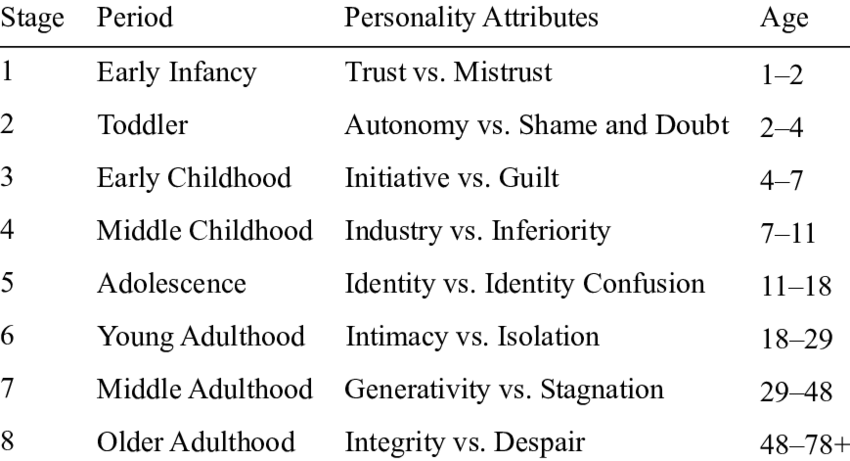
These different theories aren't necessarily competing to be the one "right" answer. Instead, each provides a valuable lens for understanding a specific aspect of our growth. By combining insights from various theories, we can get a richer, more complete picture of what it means to be a developing human.
Ready to check your understanding? Let's review what we've covered.
What is the primary focus of the scientific study of human development?
A researcher studying how personality changes in a person from age 5 to age 50 is focusing on which domain of development?
Understanding these foundational concepts prepares us to explore the specific stages and processes of development in more detail.