Human Conception and Gestation
Reproductive Anatomy
The Male Reproductive System
The primary job of the male reproductive system is to produce and deliver sperm. It's a system designed for manufacturing, maturing, and transporting these specialized cells.
Production begins in the testes (singular: testis). These two oval-shaped organs are held within a sac of skin called the scrotum. The scrotum’s location outside the main body cavity keeps the testes slightly cooler than body temperature, which is ideal for sperm production. Besides making sperm, the testes also produce key male hormones.
Once produced, sperm travel through a long, coiled tube on the back of each testis called the epididymis, where they mature. From there, they enter the vas deferens, a muscular tube that acts as a transport highway, carrying sperm from the epididymis up into the pelvic cavity.
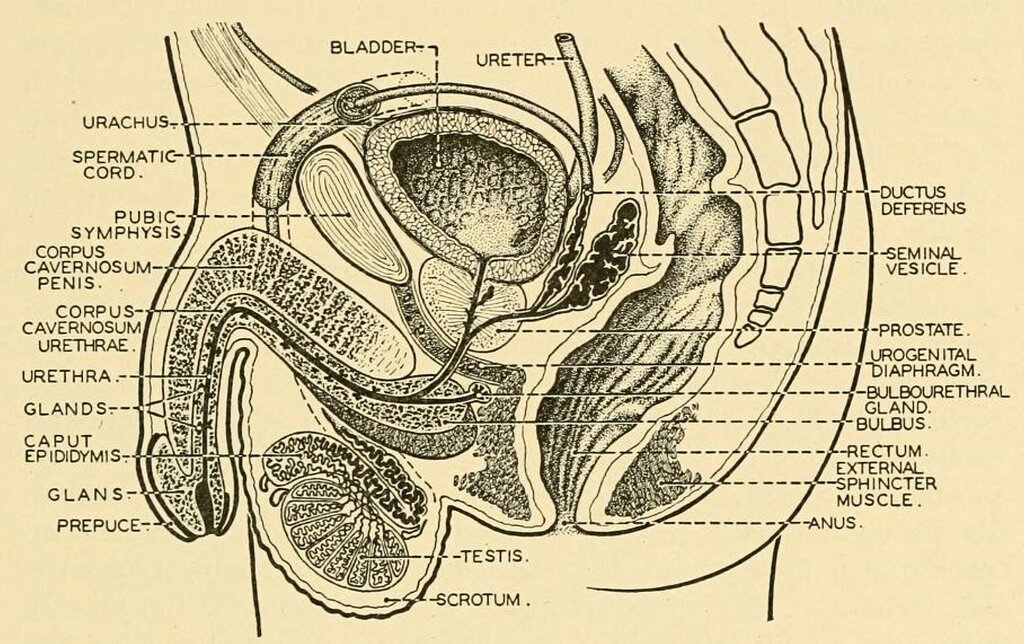
Along their journey, the sperm mix with fluids from two important glands. The seminal vesicles are a pair of glands that produce a sugary fluid, providing energy for the sperm. The prostate gland, which sits just below the bladder, adds a milky fluid that helps the sperm swim more effectively. This combination of sperm and glandular fluids is called semen.
Think of the vas deferens as a highway, and the fluids from the seminal vesicles and prostate gland as the fuel and support crew that help the sperm complete their journey.
Finally, the penis is the organ responsible for delivering semen into the female reproductive tract. It also serves as the exit point for urine from the body, though a valve ensures that urine and semen do not pass through at the same time.
The Female Reproductive System
The female reproductive system has several crucial roles: it produces eggs, provides a place for fertilization to occur, and nurtures a developing fetus for nine months. All its structures are located inside the pelvic cavity.
The ovaries are two small, almond-shaped organs on either side of the uterus. They are the female equivalent of the testes. The ovaries contain all the eggs a female will ever have, releasing one egg approximately every month. They are also responsible for producing key female hormones.
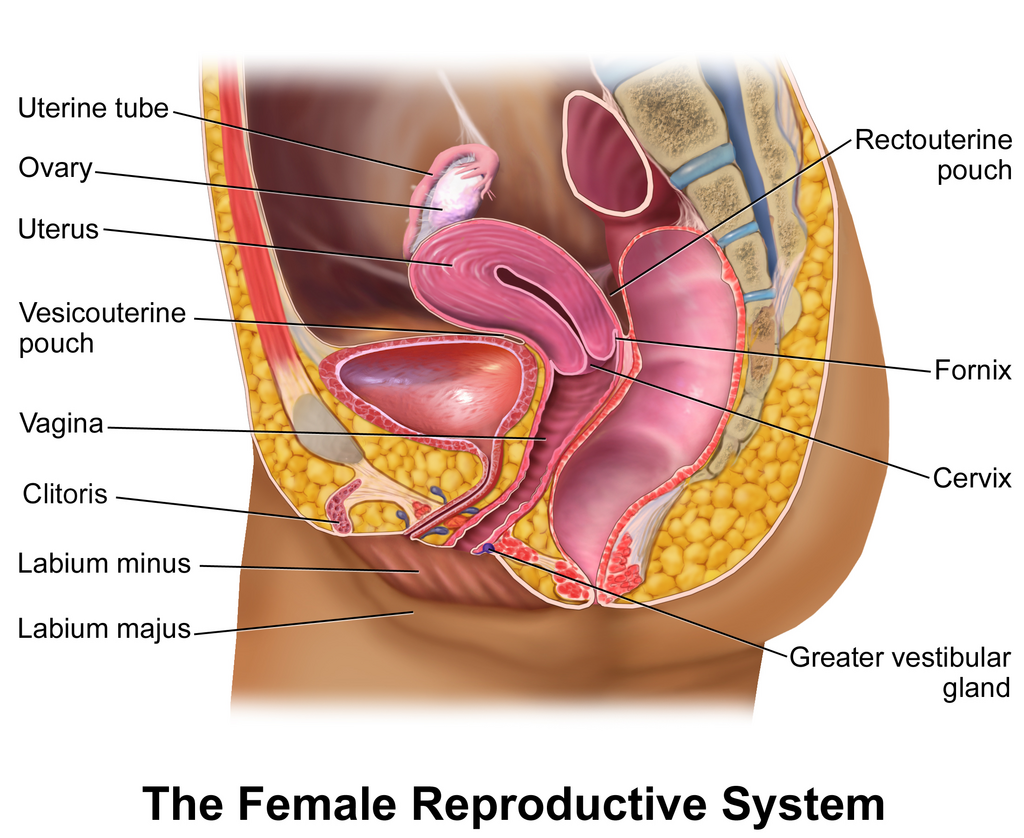
When an ovary releases an egg, it is swept into a nearby fallopian tube. These tubes are narrow passages that connect the ovaries to the uterus. The journey down the fallopian tube is where fertilization by a sperm cell usually takes place.
The uterus is a hollow, pear-shaped organ with a strong, muscular wall. If an egg is fertilized, it travels here to implant in the uterine lining. The uterus is where a fetus grows and develops throughout pregnancy. It's an incredibly flexible organ, capable of expanding many times its normal size to accommodate a growing baby.
The vagina is a muscular canal that connects the cervix, the lower part of the uterus, to the outside of the body. It serves three main functions: it receives sperm during intercourse, it serves as the birth canal during childbirth, and it allows menstrual fluid to exit the body.
Organs and Functions
Here is a quick summary of the primary reproductive function of each organ.
| System | Organ | Primary Reproductive Function |
|---|---|---|
| Male | Testes | Produce sperm and male hormones |
| Male | Vas Deferens | Transports mature sperm |
| Male | Seminal Vesicles & Prostate | Produce fluid component of semen |
| Male | Penis | Delivers semen |
| Female | Ovaries | Produce eggs and female hormones |
| Female | Fallopian Tubes | Transport egg; site of fertilization |
| Female | Uterus | Site of fetal development |
| Female | Vagina | Receives sperm; serves as birth canal |
Let's review these key terms.
Now, check your understanding of these structures.
What is the primary function of the seminal vesicles?
Where does the fertilization of an egg by a sperm cell most commonly take place?
Understanding the distinct roles of these organs is the first step in learning about the complex process of human reproduction.