Human-Centered Design Fundamentals
Introduction to Human-Centered Design
Designing for People
Have you ever tried to open a door and pulled when you should have pushed? Or spent ages trying to figure out a new app on your phone? These small frustrations often point to a disconnect between how a product is designed and how people actually use it.
Human-centered design (HCD) offers a solution. It’s a creative approach to problem-solving that starts with people and ends with solutions that are tailor-made to suit their needs. Instead of building something and hoping people will like it, HCD flips the script. It puts the user's perspective at the heart of every single stage of the design process.
Human-centered design (HCD) is an approach that aligns innovation development with the needs of the people and the settings where those innovations will be used.
The core idea is empathy. To design something that works for people, you first have to understand them. What are their goals? What challenges do they face? What are their hidden needs and desires? By observing, listening, and involving users from the very beginning, designers can create products, services, and systems that are not just functional, but also intuitive and enjoyable to use.
From Factory to Living Room
The roots of HCD go back to the mid-20th century, growing out of fields like ergonomics and human factors engineering. After World War II, there was a huge focus on making military equipment and factory machinery more efficient and safer for operators. Researchers studied how people's physical and mental capabilities interacted with complex systems.
As technology moved from the battlefield and factory into homes and offices, this focus began to shift. The rise of personal computing in the 1970s and 1980s was a turning point. Suddenly, designers weren't just creating tools for highly trained specialists; they were creating products for everyone. This new context demanded a new approach.
Thinkers like Don Norman, a cognitive scientist, brought these ideas to a wider audience. His influential book, The Design of Everyday Things, highlighted how poor design was often blamed on user error. He argued that the problem wasn't the person, but the design. This simple but powerful idea helped cement the principles of HCD in the minds of a new generation of designers and engineers.
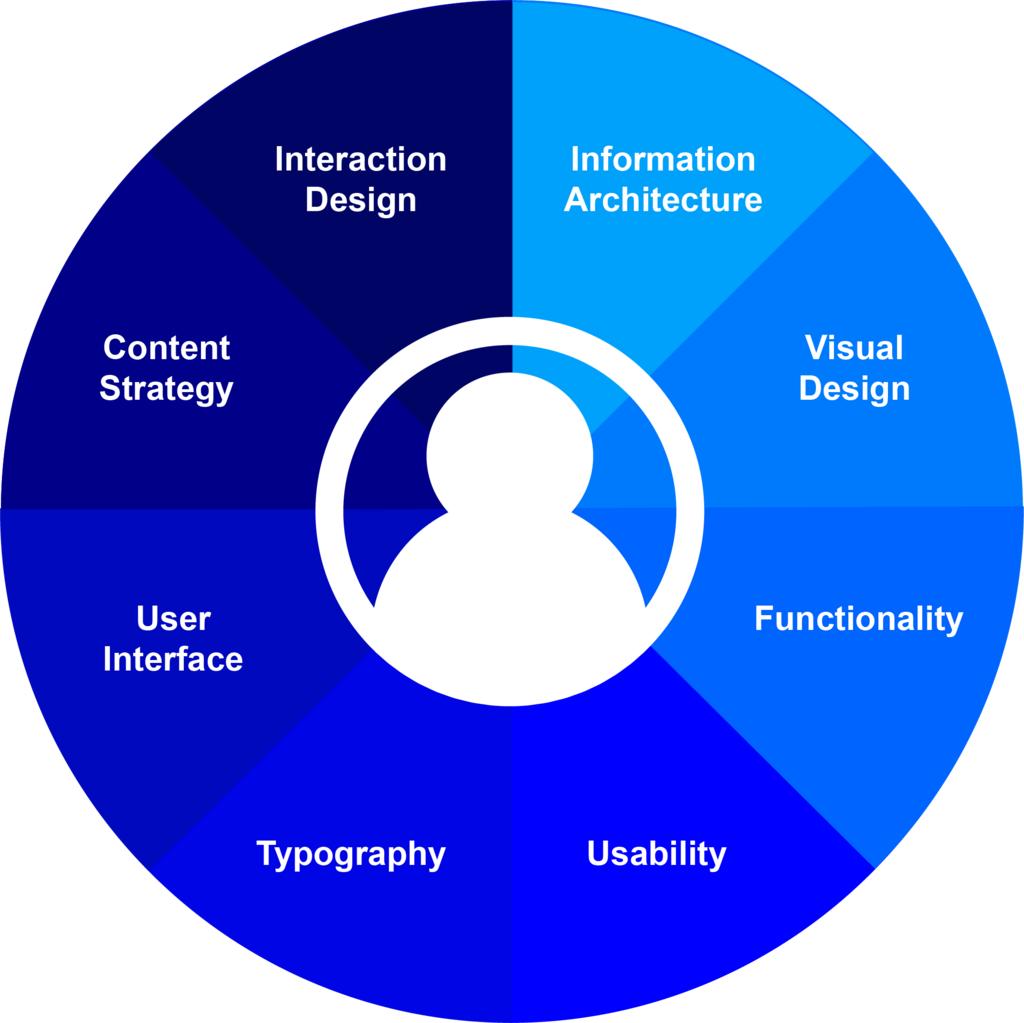
Why It Matters
Adopting a human-centered approach isn't just about being nice to users. It has tangible benefits. When products are intuitive and easy to use, people are more likely to adopt them, use them correctly, and recommend them to others. This leads to higher customer satisfaction and loyalty.
For businesses, HCD can be a powerful competitive advantage. It reduces the risk of building the wrong thing. By testing ideas with real users early and often, teams can avoid costly mistakes and invest resources in features that truly matter. This leads to better products that solve real-world problems.
Ultimately, HCD helps bridge the gap between what is technologically possible and what is actually meaningful to people.
The applications for HCD are incredibly broad. In tech, it guides the creation of user-friendly software, websites, and apps. In healthcare, it's used to design better medical devices, patient experiences, and health management systems. In urban planning, it helps create public spaces and transportation systems that serve community needs.
From designing a more comfortable airplane seat to developing more effective educational programs, HCD provides a framework for creating solutions that work for the people they are meant to serve.
What is the core principle that drives the Human-Centered Design (HCD) process?
According to Don Norman's influential book The Design of Everyday Things, when a person struggles to use a poorly designed object, who is typically at fault?