Human-Centered AI Interaction
Introduction to Human-AI Interaction
What is Human-AI Interaction?
Human-AI Interaction, or HAI, is the study of how people use, relate to, and collaborate with artificial intelligence systems. It’s not just about designing a clean user interface. It's about creating a true partnership between a person and a machine.
Think about the difference between a simple tool, like a hammer, and a skilled assistant. The hammer does exactly what you tell it to, nothing more. An assistant understands your goals, anticipates your needs, and can even offer new ideas. The goal of HAI is to move AI from being a simple tool to becoming a capable, trustworthy assistant.
The field of HAI explores everything from how we talk to smart speakers to how doctors work with AI to diagnose diseases. The core question is always the same: how can we make these powerful systems work better for people?
From Tools to Teammates
The way we interact with computers has changed dramatically over the decades. Early computers required users to type in precise, coded commands. There was no room for error. The invention of the Graphical User Interface (GUI) — with its windows, icons, and mouse pointers — made computers accessible to everyone, not just experts.
AI is pushing this evolution even further. We've moved from clicking icons to having conversations. Voice assistants like Siri and Alexa, and chatbots like ChatGPT, allow us to use natural language to interact with complex systems. This shift is profound. It changes our relationship with technology from one of direct command to one of dialogue and collaboration.
Putting People First
As AI becomes more powerful, designing it with humans at the center is more important than ever. A human-centered approach means prioritizing human needs, values, and experiences throughout the entire development process.
Why is this critical for AI? AI systems can make decisions that have significant real-world consequences, from approving loan applications to influencing medical diagnoses. If these systems are designed purely for technical efficiency, they can be confusing, biased, or even harmful. A human-centered approach focuses on building AI that is understandable, fair, and empowers users instead of frustrating them.
This means designing for trust and transparency. Users should have a basic understanding of what the AI is doing and why. They need control over the system and the ability to correct it when it makes mistakes. Without this foundation, people won't rely on or adopt AI, no matter how clever its algorithms are.
This design philosophy ensures that we are building tools that augment human intelligence, not replace it. The goal is a partnership where each side contributes its unique strengths.
Current Trends
The field of HAI is moving quickly. A few key trends are shaping the way we'll interact with AI in the near future.
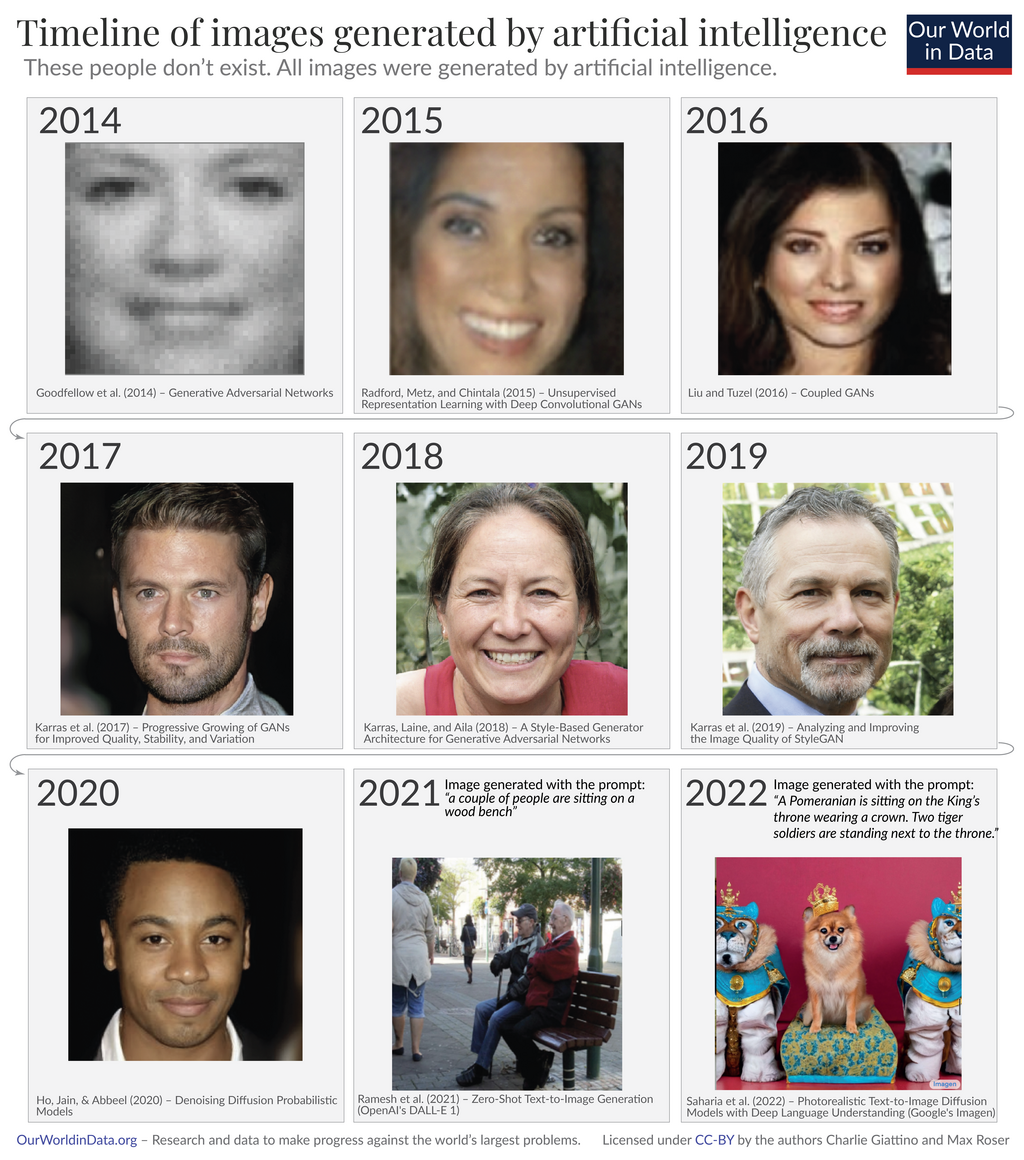
Generative AI as a Creative Partner: Systems that can generate text, images, and code are becoming powerful collaborators for artists, writers, and programmers. The interaction is less about getting a single correct answer and more about exploring possibilities together.
Explainable AI (XAI): There is a major push to make AI's decision-making processes less of a "black box." XAI aims to create systems that can explain why they arrived at a particular recommendation or result, which is crucial for building trust, especially in high-stakes fields like healthcare and finance.
Agentic AI: This refers to AI systems that can take initiative to achieve a goal. Instead of just responding to a prompt, an AI agent might break down a complex task into smaller steps and execute them independently. Designing interactions with these proactive agents is a new and exciting challenge in HAI.
Ready to check your understanding of these core concepts?
What is the primary goal of Human-AI Interaction (HAI)?
The evolution from typing precise commands to using a mouse with icons and windows is known as the shift to what?
Understanding these foundations is the first step in learning how to design AI systems that are not just powerful, but also genuinely helpful and easy to use.