Human Capital Essentials
Introduction to Human Capital
What Is Human Capital?
Think about a company that makes furniture. To build a chair, it needs wood, screws, and tools. It also needs a factory to work in. These are all forms of physical capital—tangible things used to create a product.
But what about the carpenter's skill? Her ability to design the chair, her knowledge of woodworking, and her years of experience are just as crucial. This is human capital. It's not something you can touch, but it's incredibly valuable.
Human Capital
noun
The economic value of a worker's experience and skills. This includes assets like education, training, intelligence, health, and other qualities that contribute to productivity.
Essentially, human capital is the collection of knowledge, skills, and health that people accumulate throughout their lives. It's the engine that allows individuals, companies, and entire economies to thrive. A person with a medical degree has a different kind of human capital than a skilled software engineer, but both are vital.
An Old Idea, A New Name
The idea that people's abilities are a form of wealth isn't new. As far back as the 18th century, economist Adam Smith recognized this in his work. He saw that a person's education and skills were a kind of personal fortune that benefited society as a whole.
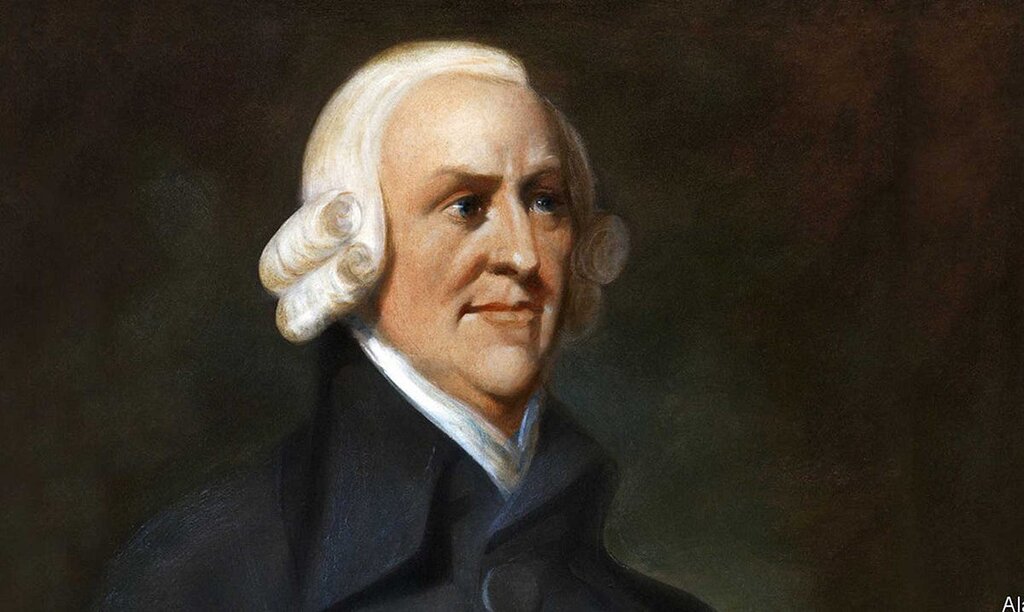
Smith argued that an educated and skilled worker was expensive to produce, much like an expensive machine. This investment, he believed, would pay off for both the individual and society through higher productivity.
But the term "human capital" was formally developed in the 1960s by economists like Gary Becker. Becker argued that spending money on education or job training wasn't just an expense, it was an investment. Just like a company invests in a new machine to increase production, individuals and governments invest in education to increase future earnings and economic growth.
Why It Matters
Human capital is a powerful driver of economic growth. A country with a highly educated and skilled population is more likely to innovate, develop new technologies, and be more productive. Think of it this way: a society of farmers can only produce so much food. But a society with engineers, scientists, and doctors can build complex infrastructure, cure diseases, and create entirely new industries.
For individuals, the impact is more direct: higher earnings. The skills and knowledge you acquire through education and experience make you more productive, and employers are willing to pay for that productivity. Generally, the more human capital a person has, the higher their potential income.
| Education Level | Median Annual Salary (Hypothetical) |
|---|---|
| High School Diploma | $45,000 |
| Bachelor's Degree | $70,000 |
| Master's Degree | $85,000 |
| Doctoral Degree | $100,000 |
This difference in earnings highlights why individuals are motivated to invest in their own education and why governments often subsidize it. It's a clear path to both personal financial improvement and broader economic prosperity.
Let's review what you've learned about the fundamentals of human capital.
Which of the following is the best definition of human capital?
Which economist, who formalized the concept in the 1960s, argued that spending on education is an investment rather than just an expense?
Understanding human capital is the first step in seeing how education, skills, and health are not just personal attributes, but key economic resources.