Human Body Systems Explained
Introduction to Organ Systems
The Body's Teamwork
Your body is a marvel of organization. It’s not just a collection of parts; it's a highly coordinated community where every component has a job. The fundamental unit is the cell. Groups of similar cells form tissues, like muscle tissue or nerve tissue. Different types of tissues then come together to form an organ, such as the heart or the stomach, which performs a specific task.
An organ system is a group of organs that work together to perform major functions or meet physiological needs of the body.
Think of it like a business. Individual employees (cells) form departments (tissues), and departments combine to create divisions (organs). All these divisions must work together as a single company (organism) to succeed. An organ system is like a major corporate function, such as logistics or communications, involving multiple divisions. For example, the digestive system includes the stomach, intestines, and liver, all working together to process food.
Meet the Major Players
The human body has several organ systems, each with a crucial role. While we won't dive deep into each one right now, let's get acquainted with a few of the main teams.
| System | Primary Function |
|---|---|
| Nervous System | Command center; processes information and directs responses. |
| Circulatory System | Transportation network; moves blood, oxygen, and nutrients. |
| Respiratory System | Gas exchange; brings in oxygen and removes carbon dioxide. |
| Digestive System | Fuel processing; breaks down food for energy and nutrients. |
| Muscular & Skeletal Systems | Provide movement, support, and protection. |
| Immune System | Defense force; protects against pathogens and disease. |
This is just a small sample. Each system is complex, but the key takeaway is that none of them work alone. They are constantly communicating and collaborating.
Maintaining the Balance
So why is all this teamwork so important? It all comes down to maintaining a stable internal environment, a concept known as homeostasis.
Homeostasis
noun
The ability of an organism to maintain a stable, constant internal condition despite changes in its external environment.
Think of your body like a thermostat-controlled house. No matter if it's snowing or scorching hot outside, you want the inside to stay at a comfortable 70°F (21°C). Your body does the same thing for temperature, blood sugar, water levels, and countless other variables. This steady state is crucial for your cells to function properly.
When you exercise, your muscles need more oxygen. Your respiratory system works harder to bring in more air, and your circulatory system pumps blood faster to deliver that oxygen. This is a perfect example of organ systems working together to maintain homeostasis during stress.
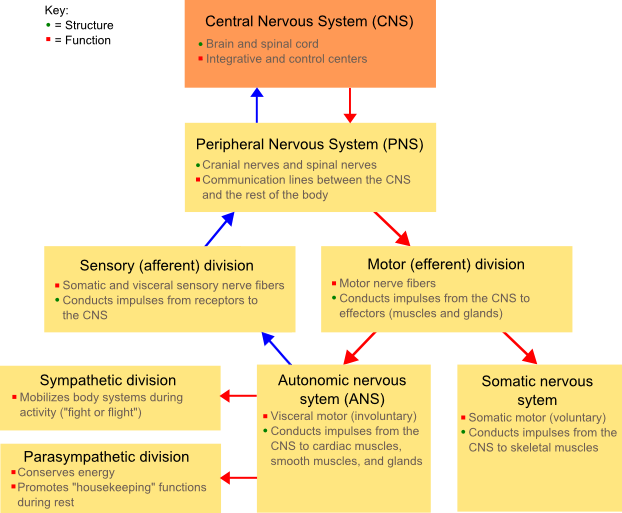
Every system plays a part in this delicate balancing act. The nervous system acts as the control center, sensing changes and sending out commands. The circulatory system transports hormones and nutrients where they're needed to make adjustments. The respiratory system manages oxygen and carbon dioxide levels. It's a continuous, dynamic process of cooperation.
Let's check your understanding of these foundational concepts.
Which of the following lists the levels of biological organization in the correct order from simplest to most complex?
The body's ability to maintain a stable internal environment, despite changes in external conditions, is known as what?
Understanding organ systems as interconnected teams is the first step to appreciating the complexity and elegance of the human body. Each system has its specialty, but their collaboration is what keeps you alive and well.