Human Biological Reproduction and Birth
Conception Mechanics
The Final Gauntlet
The journey to fertilization is a race against staggering odds. Of the millions of sperm that begin the journey, only a few hundred will ever reach the vicinity of the egg in the fallopian tube. But survival isn't enough. To have a chance at fertilization, the sperm must undergo a crucial final transformation.
As sperm travel through the female reproductive tract, they are exposed to fluids that trigger a series of biochemical changes. This final maturation step is called , and it's non-negotiable. Without it, a sperm is incapable of fertilizing an egg. Capacitation destabilizes the sperm's head membrane, removing certain cholesterol and protein molecules. This process makes the membrane more fluid and permeable, essentially 'arming' the sperm for the encounter to come. It's like a soldier removing the safety from their weapon just before entering a battle.
The Moment of Contact
Upon reaching the egg, a capacitated sperm encounters the , a thick, glassy layer of glycoproteins surrounding the oocyte. Binding to a specific protein on this layer, ZP3, triggers the acrosome reaction.
The acrosome, a cap-like structure on the sperm head, contains hydrolytic enzymes that break down the zona pellucida to allow sperm penetration into the ovum.
The outer membrane of the sperm head fuses with the acrosome membrane, creating pores. This allows the release of powerful digestive enzymes, including hyaluronidase and acrosin. These enzymes digest a path through the zona pellucida, allowing the sperm to burrow its way toward the egg's plasma membrane.
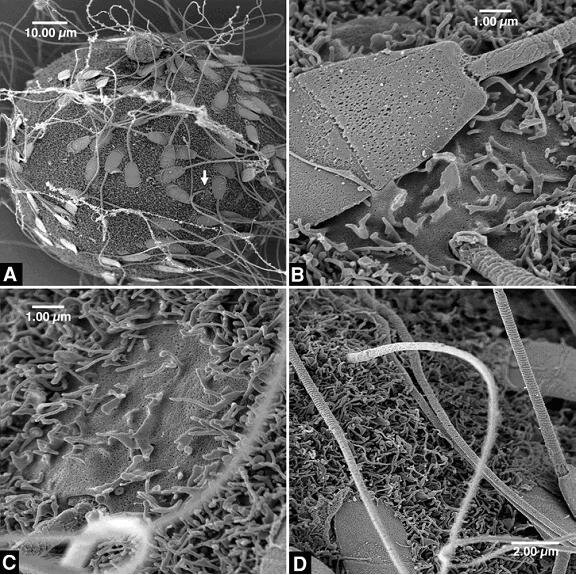
Once a single sperm successfully fuses with the egg's membrane, the egg immediately initiates a defense to prevent any others from getting in. This is called the cortical reaction. The fusion triggers a wave of calcium ions to spread across the egg, causing thousands of tiny cortical granules just beneath the egg's membrane to release their contents into the space outside. These enzymes destroy the ZP3 sperm receptors and harden the entire zona pellucida, effectively sealing the egg from any further sperm. This mechanism is crucial to prevent polyspermy, a lethal condition where an egg is fertilized by more than one sperm.
The Hormonal Green Light
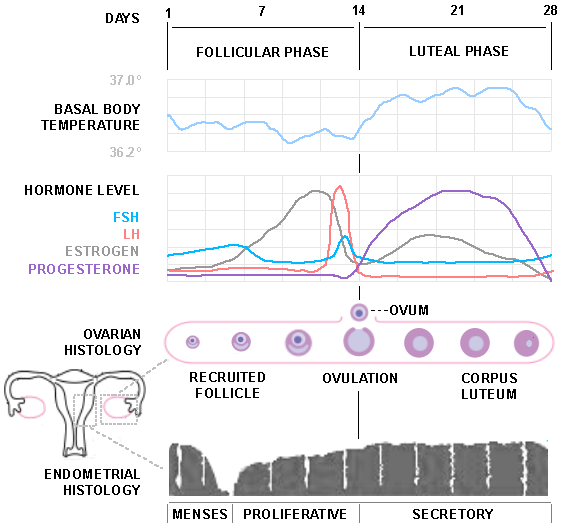
This entire dramatic encounter is only possible because of a precise hormonal cascade. The menstrual cycle is governed by the hypothalamic-pituitary-ovarian (HPO) axis. Throughout the first half of the cycle, Follicle-Stimulating Hormone (FSH) promotes the growth of several ovarian follicles. As these follicles grow, they produce estrogen.
When estrogen levels reach a critical peak, they trigger a massive surge of Luteinizing Hormone (LH) from the pituitary gland. This is the direct hormonal trigger for ovulation. About 24 to 36 hours after the surge begins, the dominant follicle ruptures and releases the mature oocyte, which is then swept into the fallopian tube to await potential fertilization.
From One Cell to Many
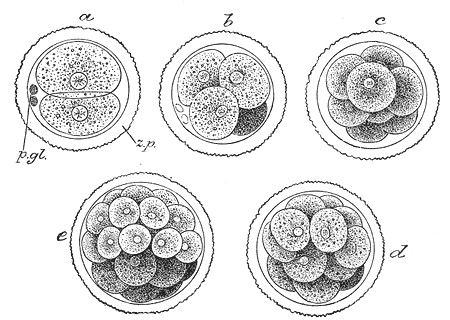
The fusion of sperm and egg creates a single-celled entity called a zygote, which contains a complete set of 46 chromosomes—23 from the egg and 23 from the sperm. The journey is far from over. Almost immediately, the zygote begins a series of rapid mitotic divisions as it travels down the fallopian tube toward the uterus.
This process, known as cleavage, increases the number of cells without increasing the overall size of the embryo. The cells, called blastomeres, become progressively smaller with each division. Within about three days, the embryo is a compact ball of 16 or more cells called a morula. It continues its journey for several more days, developing a fluid-filled cavity to become a blastocyst, the stage at which it will attempt to implant in the uterine wall.
With the formation of the blastocyst, the stage is set for the next chapter: implantation. The intricate dance of hormones and cellular mechanics has successfully transformed two single gametes into a complex, multicellular embryo poised for growth.
What is the final maturation step that sperm must undergo within the female reproductive tract to become capable of fertilizing an egg?
The binding of a sperm to the ZP3 protein on the zona pellucida directly triggers which event?