Human Behavior and Influence
Introduction to Human Behavior
What is Human Behavior?
At its core, human behavior is everything we do. It’s the observable actions and the hidden mental processes that drive them. This includes obvious things like talking, walking, and eating, but also the subtle shifts in our posture, the thoughts we keep to ourselves, and the split-second decisions we make without even realizing it.
Why do you choose one brand of coffee over another? Why do you feel a jolt of anxiety when your phone buzzes unexpectedly? Understanding human behavior is about asking “why” and looking for answers in the complex interplay of our biology, our minds, and the world around us. It's not just one thing, but a combination of factors.
Behavior
noun
The way in which one acts or conducts oneself, especially toward others. It encompasses all actions and reactions of a person, both conscious and unconscious.
The Biological Blueprint
Our behavior starts with our bodies. Think of your biology as the fundamental hardware you’re running on. Your genes, brain structure, and the chemical messengers zipping around inside you lay the groundwork for your tendencies and reactions.
Genetics can predispose us to certain traits, like being more prone to risk-taking or having a calmer disposition. Our brains, with their intricate networks of neurons, are the command centers. Different regions are specialized for functions like emotion, logic, and memory.
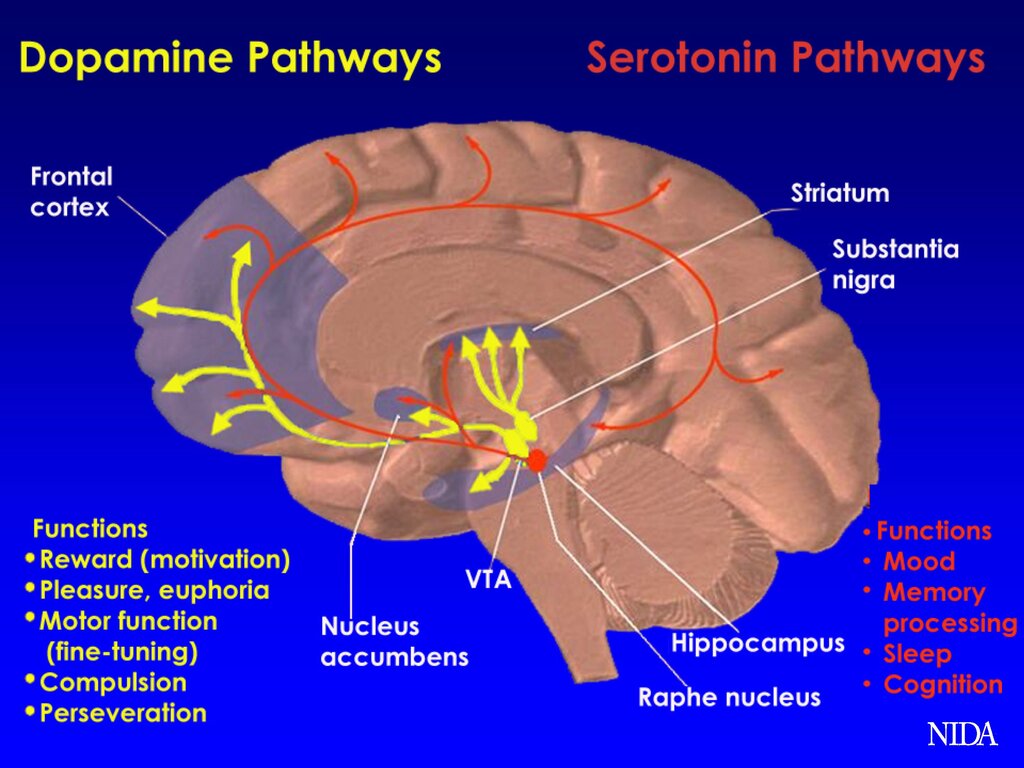
Neurochemicals, such as dopamine and serotonin, act like software signals that influence our mood, motivation, and focus. A surge of dopamine can make an experience feel rewarding, encouraging us to repeat it. These biological factors don't dictate our actions completely, but they set the stage and shape our default settings.
The Mind's Inner Workings
If biology is the hardware, psychology is the operating system. This is where our thoughts, feelings, and memories come into play, interpreting the world and guiding our responses. Our minds are not passive observers; they actively construct our reality based on past experiences and learned beliefs.
Psychologists often talk about the interplay of three key components.
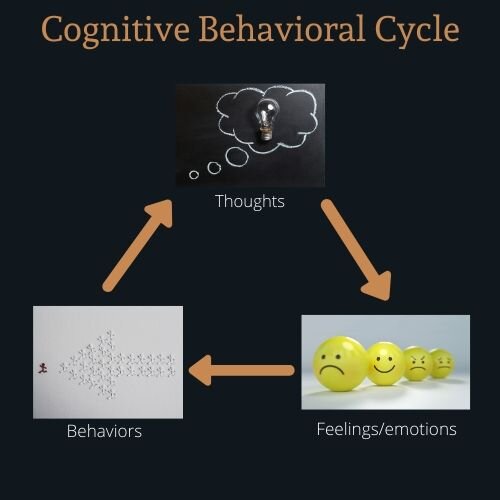
Social psychology is based on the ABCs of affect, behavior, and cognition.
Let’s break that down:
- Affect: This refers to our feelings and emotions. A feeling of happiness might lead you to smile and be more social.
- Behavior: The actions that result. Seeing a spider might cause you to jump back.
- Cognition: Your thoughts, beliefs, and attitudes. If you believe exercise is good for you, you're more likely to go to the gym.
These three elements are locked in a continuous feedback loop. A negative thought can trigger a sad feeling, which in turn can lead you to withdraw from others, reinforcing the initial thought.
The Social Fabric
No one is an island. We are all connected to a vast social network that powerfully shapes our behavior. This includes our family, friends, community, and the broader culture we live in. These social forces teach us what is considered normal, acceptable, or desirable.
Think about something as simple as a greeting. In some cultures, a firm handshake is the norm. In others, it might be a bow or a kiss on the cheek. These are unwritten rules we learn through observation and interaction. Our social roles—as a parent, an employee, a friend—also come with expectations that guide our actions in different contexts.
Culture provides the script, while our individual psychology and biology determine how we perform our roles.
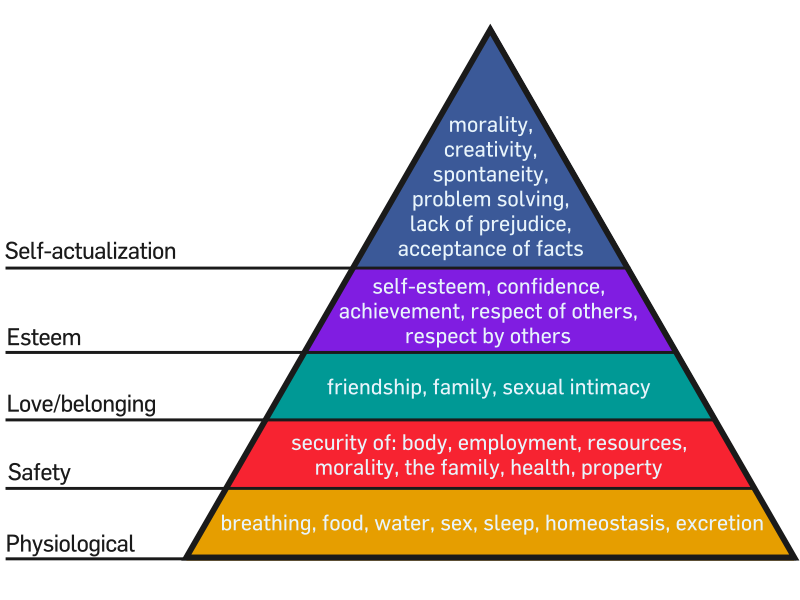
Theories like Maslow's Hierarchy of Needs illustrate how fundamental human motivations are structured. While our basic physiological and safety needs are universal, needs for belonging, esteem, and self-actualization are often fulfilled through social connection and cultural validation.
Ultimately, our behavior is a product of all these forces interacting. The biological blueprint provides the potential, our psychological software processes the world, and the social network provides the context. By looking at all three, we get a much richer picture of why we do what we do.
In the context of understanding human behavior, if psychology is the 'operating system', which component is best described as the 'hardware'?
You see a notification on your phone and immediately think it might be bad news (cognition), which causes a feeling of anxiety (affect). According to the ABC model, which of the following represents the 'behavior' in this feedback loop?