Huawei DBS3900 Explained
Introduction to Mobile Network Infrastructure
The Backbone of Your Connection
When you use your phone, you're tapping into a massive, complex system called a mobile network. Think of it as having three main parts. First, there's your phone, a powerful two-way radio. Second is the Radio Access Network (RAN), which is the collection of towers and antennas you see around town. Finally, there's the Core Network, the centralized brain that routes your calls and connects you to the internet.
The RAN is our focus here. It's the bridge between your device and the rest of the world. The most important components of the RAN are the base stations.
The Role of Base Stations
A base station is the equipment that communicates wirelessly with your phone. Each one creates an area of network coverage called a "cell," which is why mobile networks are often called cellular networks. When you move, your phone seamlessly hands off its connection from one cell to the next.
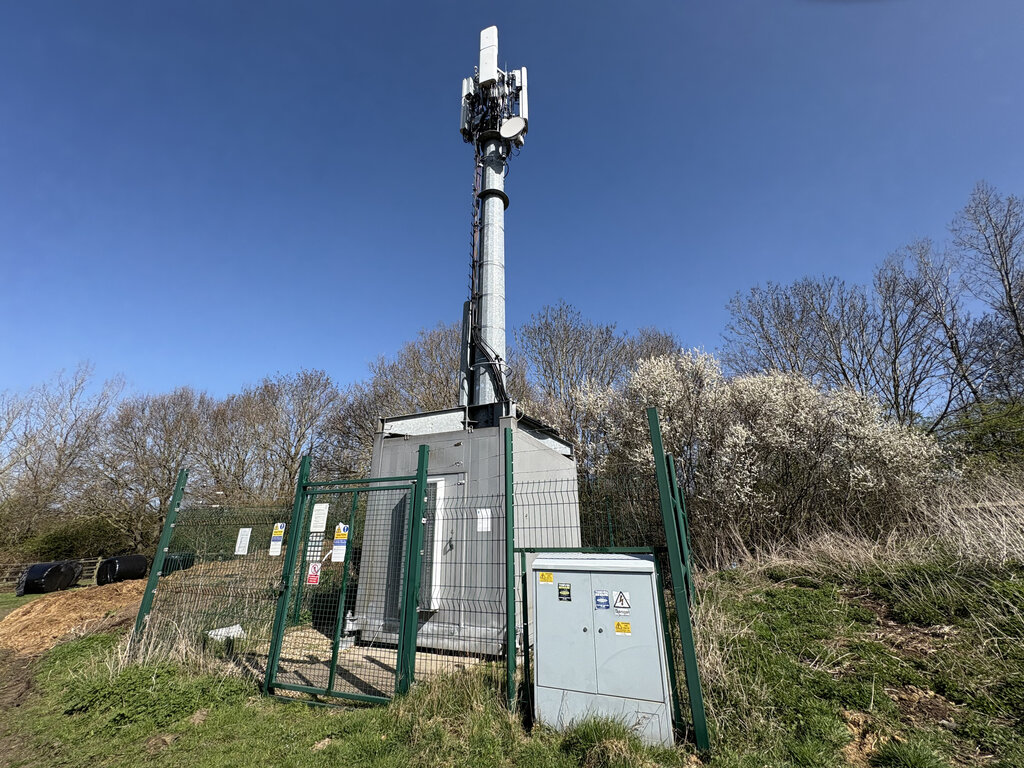
Base stations have three primary jobs:
- Coverage: They transmit and receive radio signals, ensuring you have a connection wherever you are within the cell.
- Capacity: Each base station can handle a certain number of users at once. In crowded areas, more base stations are needed to provide enough capacity for everyone.
- Quality of Service: They manage the radio resources to ensure calls are clear and data speeds are fast, even when many people are connected.
Think of base stations like a network of overlapping spotlights. Each spotlight (cell) provides light (coverage) for a specific area. As you walk from one lit area to another, you stay illuminated. If one spotlight gets too crowded, another might be turned on nearby to share the load.
How Base Stations Evolved
In the early days of mobile networks, base stations were huge, all-in-one units called macro base stations. They housed all the processing and radio equipment in a large cabinet or shelter at the base of a tower. This made them bulky, expensive to install, and difficult to place in dense urban areas.
Technology has since advanced. Modern networks often use a more flexible design: the distributed base station. This architecture splits the base station into two main parts.
The Baseband Unit (BBU) handles the processing and is typically installed in a convenient location on the ground. The Remote Radio Unit (RRU) contains the radio components and is placed up on the tower, close to the antenna. They are connected by a fiber optic cable.
This separation offers huge advantages. It reduces signal loss by shortening the distance the radio signal travels over cables, improves network performance, and makes installation much more flexible. Operators can place smaller, less obtrusive RRUs on rooftops, lamp posts, and walls, bringing the network closer to users.
Time to check what you've learned.
What are the three main components of a mobile network?
Which of the following is NOT a primary job of a base station?
Understanding this evolution from large, centralized macro stations to flexible, distributed ones is key to seeing how modern mobile networks are built for performance and efficiency.