Huawei Ascend 910C and Atlas 950 AI Powerhouse
Introduction to AI Hardware
The Brains Behind the Buzz
Artificial intelligence feels like magic, but it runs on physical hardware. The performance of any AI model, from your phone's photo editor to massive language models, depends entirely on the power of the chips inside the machine. To understand AI, you have to understand the hardware that makes it possible.
For a long time, the Central Processing Unit, or CPU, was the undisputed king of computing. A CPU is a versatile generalist. Think of it as a master chef who can expertly handle any single task you throw at them, one after another. It's fantastic for running your operating system, web browser, and most traditional software because these applications require a series of sequential, complex instructions.
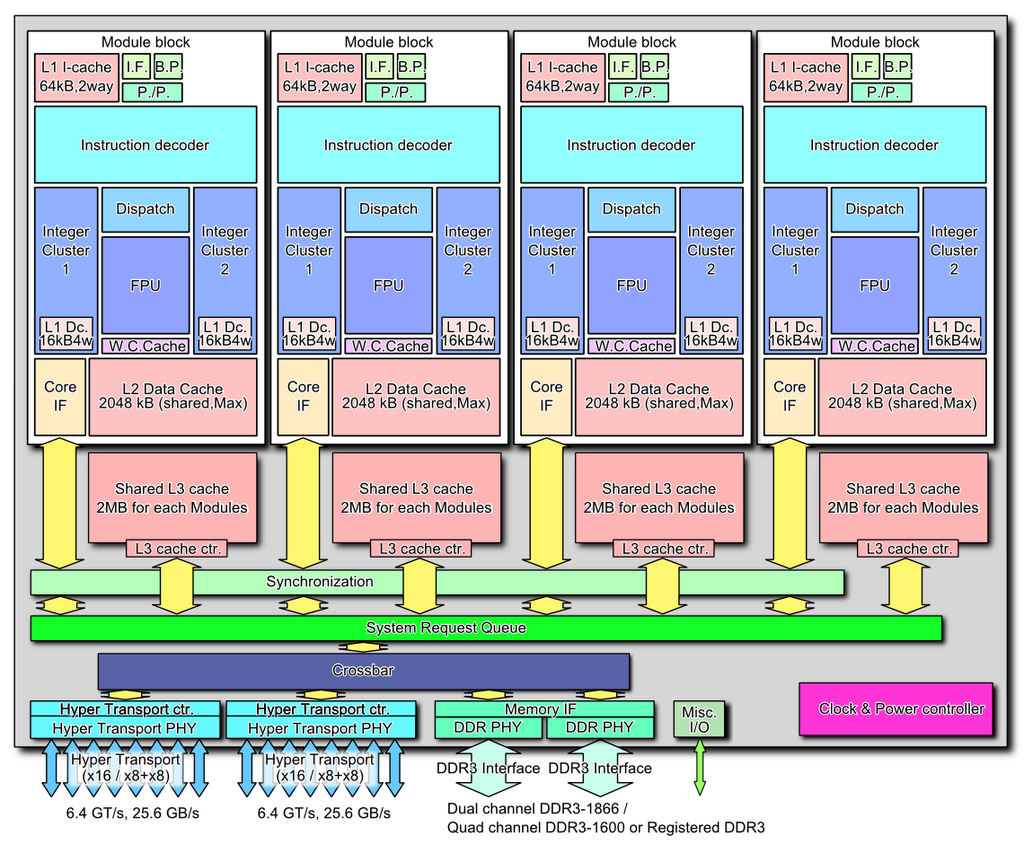
However, AI workloads, especially in deep learning, are different. They involve performing millions of simple, identical calculations at the same time. The master chef approach of the CPU creates a bottleneck. It's too slow to handle so many tasks, even if it's very good at each one individually.
The Rise of Parallel Processing
This is where the Graphics Processing Unit, or GPU, comes in. Originally designed to render 3D graphics for video games, GPUs are built for parallel processing. Instead of one master chef, a GPU is like an army of kitchen assistants. Each assistant might only be able to chop carrots, but you can have thousands of them chopping at the same time, accomplishing a massive task very quickly.
AI training involves performing countless similar mathematical operations simultaneously. The parallel architecture of a GPU is perfectly suited for this, making it dramatically faster than a CPU for AI tasks.
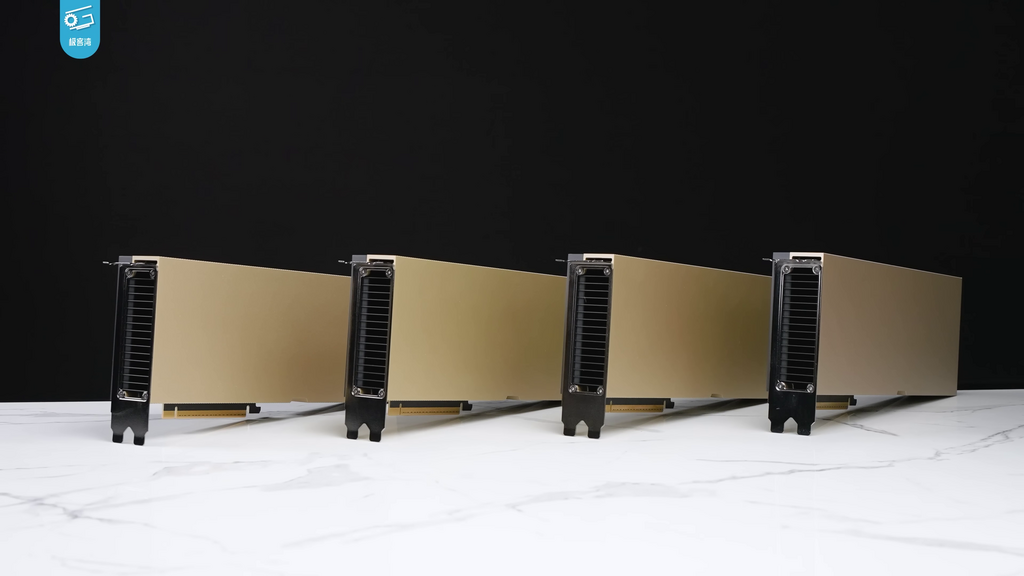
The success of GPUs for AI led to the development of even more specialized hardware. Neural Processing Units (NPUs), also known as AI accelerators, are custom-built for one thing: running AI models. If a GPU is an army of kitchen assistants, an NPU is a custom-designed, hyper-efficient carrot-chopping machine. It does its specific job faster and with less energy than anything else.
As AI continues to evolve into a computing paradigm endowed with statistical and mathematical rigor, it has become apparent that single-GPU solutions for training, validation, and testing are no longer sufficient for computational grand challenges...
You'll find these specialized chips everywhere, from the massive data centers training the next generation of AI to the smartphone in your pocket, where they help with tasks like real-time language translation and image recognition without draining your battery.
Measuring Performance
How do we compare these different types of hardware? We use a few key metrics to measure their performance for AI workloads.
FLOPS
noun
Stands for Floating-Point Operations Per Second. It's a measure of a computer's performance, especially useful in fields of scientific calculations that make heavy use of floating-point calculations. For AI, higher is better.
FLOPS tell you the raw computational power of a chip. It's like measuring the total number of carrots your kitchen staff can chop in a minute. But raw power isn't the whole story. The data has to get to the processors in the first place.
Memory Bandwidth measures how quickly data can be moved between the processor and the memory. If memory bandwidth is low, your powerful processor will spend most of its time waiting for data to work on, like chefs waiting for ingredients to be delivered.
Finally, there's power efficiency. Training large AI models can consume an enormous amount of electricity. A chip's efficiency is often measured in FLOPS per watt. A more efficient chip can perform more calculations for the same amount of energy. This is critical for building sustainable, large-scale AI systems and for enabling powerful AI on battery-powered devices like phones and laptops.
| Metric | What It Measures | Why It Matters for AI |
|---|---|---|
| FLOPS | Raw calculation speed | AI requires a massive number of calculations. |
| Memory Bandwidth | Data transfer speed | Prevents processors from waiting for data. |
| Power Efficiency | Performance per watt | Reduces cost and environmental impact. |
Together, these elements—the evolution from general-purpose CPUs to specialized accelerators like GPUs and NPUs, and the metrics we use to measure them—form the foundation of the hardware that powers the AI revolution.