HSK 4 Chinese for Multilingual Speakers
HSK 4 Vocabulary
Entering the Intermediate Zone
Welcome to HSK 4. This is a big step. While the first three levels built your foundation, HSK 4 is where you start to build the actual house. You'll be moving from simple survival phrases to expressing more complex ideas, opinions, and feelings. The key to this transition is vocabulary.
At this level, you’re responsible for knowing 1,200 words. That includes the 600 words from HSK 1, 2, and 3, plus 600 brand-new ones. It sounds like a lot, but these new words are what will unlock richer conversations and a deeper understanding of written Chinese.
Beyond Just Words
The HSK 4 vocabulary list isn't just a random collection of words. It's a strategic mix of different word types that allow you to form more nuanced sentences. You'll encounter a healthy balance of nouns, verbs, adjectives, and adverbs. Each plays a critical role.
| Category | Role | HSK 4 Example |
|---|---|---|
| Nouns (名词) | Name people, places, things, ideas | 法律 (fǎlǜ) - law |
| Verbs (动词) | Show action or a state of being | 减肥 (jiǎnféi) - to lose weight |
| Adjectives (形容词) | Describe nouns | 浪漫 (làngmàn) - romantic |
| Adverbs (副词) | Describe verbs, adjectives, or other adverbs | 竟然 (jìngrán) - unexpectedly |
As you learn, pay close attention to how these words function. For example, some verbs can also act as nouns, and many words take on different shades of meaning depending on the words around them. This brings us to a crucial point: context.
Knowing a word’s definition is only half the battle. Knowing how to use it in a sentence is the other half.
Take the word 坚持 (jiānchí). It means "to persist" or "to insist on." You could memorize that definition and move on. But you won't truly know the word until you see it in action.
- 我每天坚持跑步。 (Wǒ měitiān jiānchí pǎobù.) - I persist in jogging every day.
- 他坚持自己的看法。 (Tā jiānchí zìjǐ de kànfǎ.) - He insists on his own opinion.
Notice how it's used to describe sticking with an action or an idea. Seeing these examples gives the word color and dimension that a simple definition lacks.
Making It Stick
How do you learn 600 new words and make them stick? The most effective method is active recall, and the classic tool for this is the flashcard. But simply writing the character on one side and the pinyin/definition on the other isn't enough.
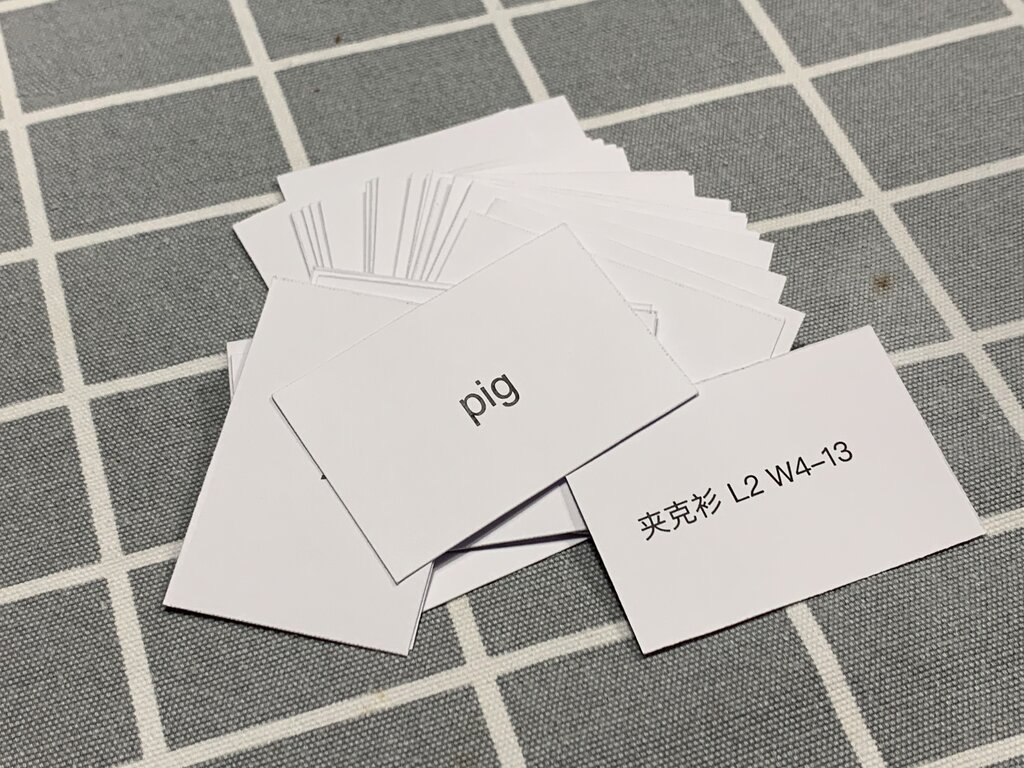
To make your flashcards more effective for HSK 4, try these techniques:
- Add a Sentence: Below the definition, write a simple, practical example sentence. This provides the context we just talked about.
- Include Classifiers: For nouns, always include the appropriate measure word (classifier). For example, for 衬衫 (chènshān, shirt), your card should include 一件衬衫 (yí jiàn chènshān).
- Group Similar Words: Make cards for synonyms or antonyms and study them together. For example, you could study 暖和 (nuǎnhuo, warm) and 凉快 (liángkuai, cool) as a pair.
Reviewing these cards regularly, especially using a Spaced Repetition System (SRS) like Anki, will move the vocabulary from your short-term to your long-term memory.
竟然
adverb
An adverb indicating something unexpected or surprising, similar to "unexpectedly" or "to one's surprise."
Ultimately, the goal is to use these words. Try to incorporate a few new HSK 4 words into your speaking or writing practice each day. The more you use them, the more they become a natural part of your Chinese vocabulary. Now let's review some key terms.
Ready to check your understanding?
How many new vocabulary words are introduced at the HSK 4 level, on top of the words learned in HSK 1-3?
According to the text, what is the most significant shift in language ability when moving from HSK 3 to HSK 4?