HSK 2 Mandarin Exam Prep
HSK 2 Overview
Stepping Up to HSK 2
After building a foundation with HSK 1, the next level presents a new challenge. HSK Level 2 tests your ability to handle simple, direct conversations about familiar topics. It's a significant step up, requiring you to understand and use a wider range of words and sentence patterns.
According to Hanban, the HSK test organizer, to pass HSK Level 2, you need to know 300 vocabulary words precisely – that’s 150 new words on top of HSK Level 1.
This expanded vocabulary allows for more detailed communication. While HSK 1 focuses on introducing yourself and basic needs, HSK 2 lets you discuss weather, ask for prices, and talk about your daily routines.
Exam Structure
The HSK 2 exam is divided into two main sections: Listening and Reading. The entire test takes about 55 minutes, including time to fill out your answer sheet. Unlike HSK 1, all text is in Chinese characters, with no Pinyin to guide you. This makes character recognition a critical skill.
| Section | Part | Number of Questions | Time (approx.) |
|---|---|---|---|
| Listening | I | 10 | 25 minutes |
| Listening | II | 10 | |
| Listening | III | 10 | |
| Listening | IV | 5 | |
| Reading | I | 5 | 25 minutes |
| Reading | II | 5 | |
| Reading | III | 5 | |
| Reading | IV | 10 |
The listening section plays each audio clip twice. After the listening portion, you'll have a few minutes to transfer your answers to the answer sheet before the reading section begins.
Key Skills and Strategies
Success on the HSK 2 requires moving beyond single words and understanding how they fit together in sentences. You'll need to master basic grammar points that didn't appear in HSK 1.
Key grammar concepts include:
- Comparisons with 比 (bǐ): Used to compare two things, like in "我比他高 (wǒ bǐ tā gāo)", which means "I am taller than him."
- Modal verbs like 会 (huì), 能 (néng), and 可以 (kěyǐ): These express ability or permission. For example, "我会说汉语 (wǒ huì shuō hànyǔ)" means "I can speak Chinese."
- The particle 的 (de): While seen in HSK 1, its use expands to show more complex possession and description.
- Measure words: You'll encounter more specific measure words for different nouns, moving beyond the all-purpose 个 (gè).
Focus on learning words in context, not just from isolated lists. Practice forming sentences with new vocabulary to solidify your understanding of grammar.
For study resources, use official mock exams to get comfortable with the question formats. Listening to short, simple Chinese dialogues or podcasts can help train your ear. Flashcard apps using spaced repetition are excellent for memorizing the 300 required characters and words.
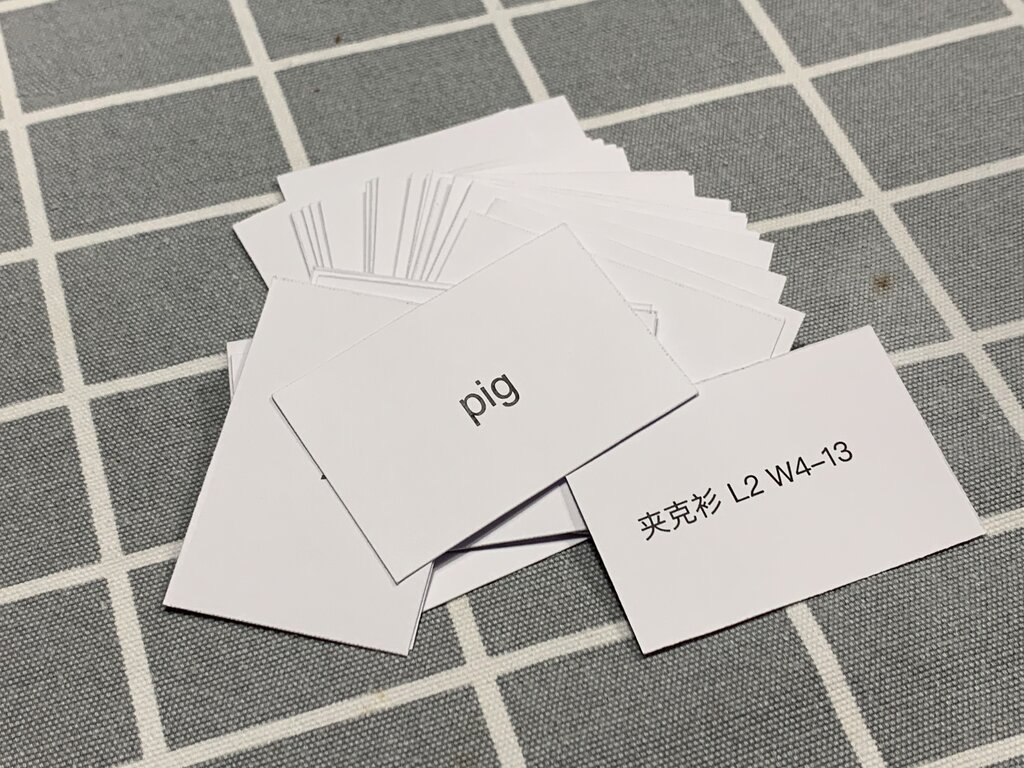
Don't just passively review, actively use the language. Try writing short sentences about your day or describing pictures using HSK 2 vocabulary. This active recall will strengthen your memory and prepare you for the reading section's demands.
Let's check your understanding of the HSK 2 format and requirements.
What is a major difference in the HSK 2 exam format compared to the HSK 1 exam?
Which character correctly completes the following sentence to mean 'I am taller than him'?: 我 __ 他高。(wǒ __ tā gāo)
Passing HSK 2 is a great milestone that shows you can communicate on a basic level in everyday situations. With consistent practice, you'll build the confidence and skills needed to succeed.