HR Tech Fundamentals
Introduction to HR Technology
What is HR Technology?
Human Resources Technology, or HR Tech, refers to the software and hardware used to automate and streamline HR functions. Think of it as the digital toolkit that helps companies manage their most valuable asset: their people. This technology touches every part of the employee journey, from the first job application to the final paycheck.
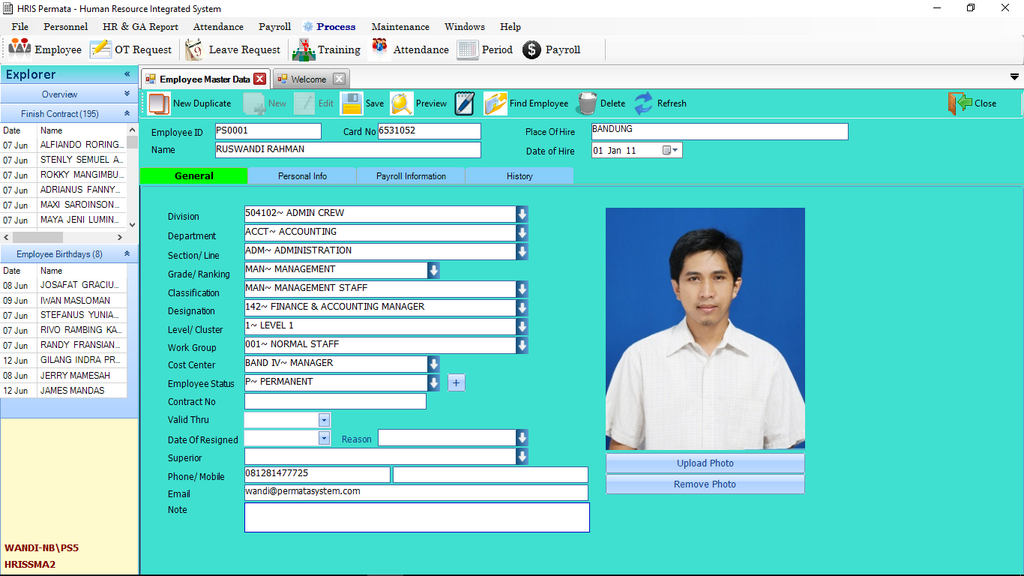
HRIS or Human resource Information system helps HR managers perform HR functions in a more effective and systematic way using technology.
Not long ago, HR departments were buried in paperwork. Filing cabinets overflowed with employee records, payroll was calculated by hand, and recruitment involved sifting through stacks of physical resumes. Every task was manual, time-consuming, and prone to error.
The shift to digital solutions changed everything. Early systems focused on basic record-keeping, essentially creating digital versions of those filing cabinets. But as technology advanced, so did its role in HR. Today, HR Tech is a sophisticated ecosystem of tools designed to handle complex tasks, provide deep insights, and improve the overall employee experience.
Core HR Technologies
While the world of HR Tech is vast, a few core systems form the backbone of most modern HR departments. Understanding these key players is the first step to grasping the bigger picture.
HRIS
noun
A Human Resource Information System is a central software solution for managing employee data. It acts as a single source of truth for all people-related information.
The HRIS is the heart of HR Tech. It stores everything from personal details and job titles to salary information and benefits enrollment. This centralized database eliminates the need for redundant data entry and ensures that information is consistent and up-to-date across the organization. For managers, it provides quick access to team data. For employees, it often includes a self-service portal where they can update their own information or request time off.
Next up is the Applicant Tracking System (ATS). As the name suggests, an ATS is software designed to manage the recruitment process. When you apply for a job online, your application almost certainly goes into an ATS. This tool helps recruiters and hiring managers organize, screen, and communicate with candidates. It can automatically filter resumes based on keywords, schedule interviews, and track a candidate's progress through the hiring pipeline, turning a chaotic process into a structured workflow.
An ATS automates the administrative side of hiring, freeing up recruiters to focus on finding the best people for the job.
Finally, there's the Learning Management System (LMS). An LMS is a platform for delivering and managing training and development programs. Companies use it to host online courses, administer tests, and track employee progress. Whether it's mandatory compliance training or optional skill-building workshops, the LMS provides a centralized hub for all learning activities. It empowers employees to take control of their professional growth and gives companies a clear view of their workforce's skills and capabilities.
The Benefits of Integration
Adopting these technologies isn't just about going digital for the sake of it. Integrating HR Tech into daily operations brings tangible benefits.
First, it dramatically increases efficiency. Automating repetitive, administrative tasks—like processing payroll or screening resumes—frees up HR professionals' time. This allows them to focus on more strategic initiatives, such as improving company culture or developing leadership programs.
Second, it leads to better data management. With a centralized system like an HRIS, data is more accurate, secure, and easier to access. This empowers leaders to make informed decisions based on real-time analytics rather than gut feelings. For example, they can analyze turnover rates by department to identify potential issues before they escalate.
Finally, HR Tech enhances the employee experience. Self-service portals give employees more control over their own information and HR-related tasks. A smooth online application process, personalized onboarding, and easy access to training materials all contribute to a more positive and engaging work environment.
AI enables the HR team to shift their focus from paperwork to people work.
Now, let's test your knowledge of these fundamental concepts.
What is the primary purpose of Human Resources (HR) Technology?
Which system is specifically designed to manage the recruitment process, from screening resumes to scheduling interviews?
By moving from paper-based processes to integrated digital systems, HR has transformed from a primarily administrative function into a strategic partner in business success.