HR Syllabus Deep Dive
Introduction to HRM
What Is Human Resource Management?
At its heart, Human Resource Management, or HRM, is about people. It’s the process of managing a company's most valuable asset: its employees. Think of it as the bridge connecting an organization's goals with the people who will achieve them.
Human Resources Management (HRM) is the attraction, selection, retention, development, and utilization of labor resource in order to achieve both individual and organizational objectives.
The main goals of HRM are straightforward. First, it aims to attract the right talent. Then, it works to develop employees' skills and keep them motivated. Finally, it ensures they are managed effectively to help the organization succeed. This involves everything from hiring and training to compensation and creating a positive work environment.
Human Resource Management
noun
The strategic approach to the effective management of people in a company or organization such that they help their business gain a competitive advantage.
A Quick Look Back
HRM wasn't always a strategic partner in business. It evolved from a field known as "personnel management." Decades ago, the personnel department was mainly administrative. It handled paperwork, enforced rules, and processed payroll. Employees were often seen simply as a cost of doing business.
Over time, this perspective shifted dramatically. Businesses began to recognize that their people were not just costs, but valuable assets who could drive innovation and growth. This change in thinking transformed personnel management into modern Human Resource Management.
| Personnel Management (Past) | Human Resource Management (Present) |
|---|---|
| Focus on administration & rules | Focus on strategy & people |
| Reactive | Proactive |
| Manages employees | Empowers employees |
| Views people as a cost | Views people as an asset |
HR's Seat at the Table
Today, HR has a crucial strategic role. Instead of just reacting to problems, HR leaders work alongside other executives to plan for the future. They help answer big-picture questions: Do we have the right people to launch our new product line? How can we build a culture that encourages creativity? What skills will our workforce need five years from now?
By aligning people strategy with business strategy, HR helps ensure the entire organization is moving in the same direction. It's no longer a siloed support function but an integrated part of the business engine.
The Modern HR Professional
The shift to a strategic role requires a new set of skills for HR professionals. Simply knowing employment law and managing benefits is no longer enough. Today’s HR experts need a broad range of competencies to be effective.
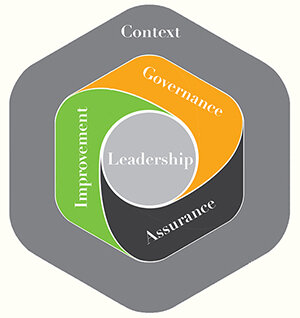
Key competencies include:
- Business Acumen: Understanding how the business operates, makes money, and competes in the market.
- Data Literacy: Using data and analytics to make informed decisions about people and talent.
- Leadership & Influence: Guiding and influencing organizational change without direct authority.
- Communication: Clearly articulating strategies and building relationships across all levels of the organization.
- Ethical Practice: Maintaining confidentiality and integrity, acting as the conscience of the organization.
Now, let's review the key concepts we've covered.
Ready to check your understanding? Give these questions a try.
What is the primary focus of Human Resource Management (HRM)?
How did the field of Human Resource Management evolve from its predecessor, 'personnel management'?
Understanding these foundations is the first step. HRM is a dynamic field that plays a vital role in the success of any organization.