HR Operations and Tools Mastery
HR Operations Overview
The Engine Room of HR
Human Resources is more than just big-picture strategy and talent acquisition. Behind the scenes, there's a critical function that keeps the entire employee experience running: HR operations. Think of HR Ops as the central nervous system of the HR department. It handles the practical, day-to-day tasks that ensure policies are followed, people get paid correctly, and the business stays on the right side of the law.
HR operations is responsible for executing policies, maintaining compliance, and managing administrative HR tasks that keep an organization running smoothly.
While other parts of HR might focus on long-term workforce planning or cultural initiatives, HR operations is grounded in the here and now. It’s the team that makes sure the processes, systems, and administrative functions are efficient and effective. Without a strong HR Ops team, even the best strategic plans would falter due to poor execution.
Core Functions
The responsibilities of HR operations are vast, but they generally fall into three key areas: managing data, ensuring compliance, and facilitating communication.
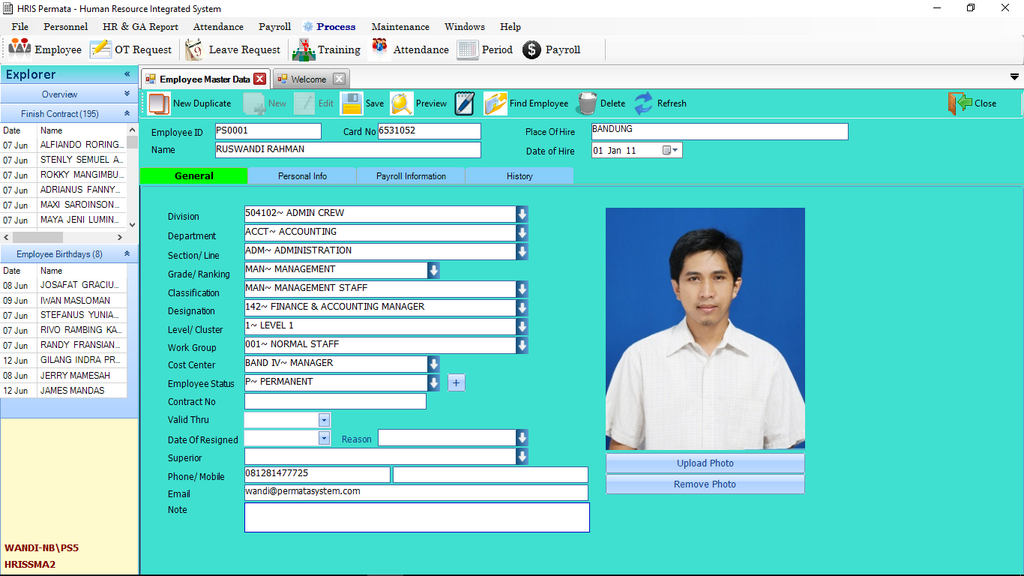
First is employee data management. From the moment an offer letter is signed, HR Ops becomes the guardian of that employee's information. This includes everything from personal details and payroll information to benefits enrollment, performance records, and eventually, offboarding documentation. Maintaining this data accurately and securely is crucial. A mistake in payroll data can mean an employee isn't paid correctly. A breach of sensitive information can have serious legal and personal consequences. This is why robust Human Resource Information Systems (HRIS) are so essential; they provide a centralized, secure platform for managing the entire employee lifecycle.
Next is compliance. Every business operates within a complex web of local, state, and federal labor laws. It's the job of HR operations to navigate these regulations and ensure the company adheres to them. This involves everything from tracking work hours and overtime pay to upholding workplace safety standards and ensuring equal employment opportunity. Staying compliant isn't just about avoiding fines or lawsuits—it's about creating a fair, ethical, and safe environment for everyone.
Failure to comply with labor laws can lead to significant financial penalties and damage to a company's reputation. HR operations is the first line of defense.
Finally, HR operations acts as a vital communication facilitator. They are often the bridge between management, employees, and the wider HR department. When a new policy is rolled out, HR Ops ensures it's communicated clearly and that employees understand how it affects them. They manage the systems for internal announcements, answer employee questions about benefits or pay, and create documentation like employee handbooks that serve as a single source of truth.
Why It Matters
Effective HR operations directly impacts organizational success. When processes are smooth and efficient, employees can focus on their work without worrying about administrative headaches. Accurate payroll and well-managed benefits contribute to employee satisfaction and trust in the organization.
By ensuring compliance, HR Ops protects the company from legal risk, allowing leadership to focus on growth and innovation. And by facilitating clear communication, they help build a more transparent and connected workplace culture. Ultimately, HR operations provides the stable foundation upon which a healthy, productive, and successful organization is built.
Ready to test your knowledge?
Which of the following best describes the primary focus of an HR Operations team?
A new federal law requires changes to how overtime is calculated. Ensuring the company's payroll system is updated and managers are trained on the new policy falls under which core HR Operations function?
HR operations is the essential machinery that translates HR strategy into reality, ensuring the smooth and compliant functioning of the entire workforce.