HR Metrics and Analytics Explained
Introduction to HR Metrics
What Are HR Metrics?
Human Resources (HR) metrics are data points that help organizations measure the effectiveness of their people-related activities. Think of them as a fitness tracker for a company's workforce. Instead of just guessing how things are going, HR metrics provide concrete numbers on everything from hiring and employee satisfaction to turnover and productivity.
Why does this matter? Because it transforms HR from an administrative department into a strategic partner. When you can measure the impact of a new training program or the cost of losing a good employee, you can make smarter, data-driven decisions that directly affect the company's bottom line. It's about replacing gut feelings with facts to build a stronger, more efficient organization.
By tracking key data, HR can answer important questions: How much does it cost us to hire a new software engineer? Are our employees happy? Is our wellness program actually reducing sick days?
Aligning Metrics with Goals
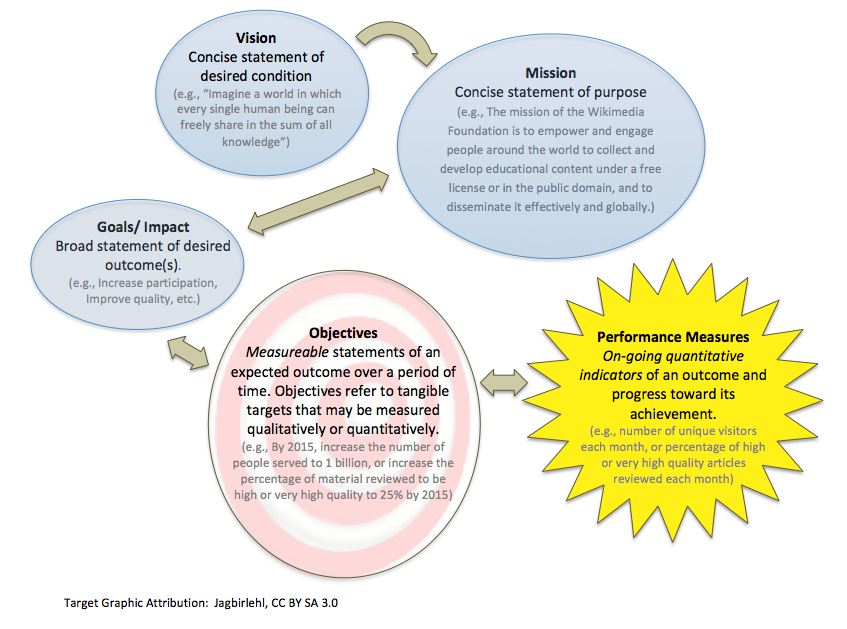
Metrics are most powerful when they are tied directly to the organization's strategic goals. Collecting data for its own sake is a waste of time. The key is to measure what matters for the company's success.
For example, if a company's main goal is to expand into a new market, its HR goals might be to hire local talent and ensure a smooth onboarding process. The corresponding HR metrics would then focus on:
- Time to fill: How quickly can we hire qualified people in the new region?
- New hire performance: Are new employees meeting expectations after their first six months?
- Offer acceptance rate: Are top candidates in the new market accepting our job offers?
This alignment ensures that HR's efforts are directly contributing to the company's larger mission. Every metric should help answer the question, "Are we on track to meet our business objectives?"
Three Categories of Metrics
HR metrics generally fall into three categories. Each one answers a different kind of question about HR's performance.
| Category | Question it Answers | Example |
|---|---|---|
| Efficiency | How fast or how much? | Cost per Hire: Total recruiting costs divided by the number of new hires. |
| Effectiveness | How well did it work? | New Hire Performance: Average performance review score for employees in their first year. |
| Impact | What was the result? | Revenue per Employee: The company's total revenue divided by its number of employees. |
Efficiency metrics look at the resources HR uses, like time and money. Effectiveness metrics gauge the quality and success of HR programs. Finally, impact metrics connect HR activities to the overall business results, showing the true value of people-related initiatives.
A well-rounded HR strategy uses a mix of all three to get a complete picture of performance.
Through analyzing recruitment, training, and turnover costs, HR metrics enable efficient budget allocation and reveal cost-saving opportunities.
Ready to test what you've learned about the basics of HR metrics? Let's see how well you can apply these foundational concepts.
What is the primary purpose of using HR metrics in an organization?
A company's main strategic goal is to reduce operational costs. Which of the following HR metrics would be MOST aligned with this goal?
By starting with these core ideas, you can begin to see how data transforms HR into a powerful driver of organizational success. Tracking the right numbers is the first step toward building a more effective and engaged workforce.