HR Essentials
Introduction to HRM
What is Human Resource Management?
At its core, Human Resource Management (HRM) is the strategic approach to managing an organization's most valuable asset: its people. Every business, from a small local coffee shop to a massive global corporation, relies on individuals to achieve its goals. HRM is the department and the discipline focused on making sure the right people are in the right roles, and that they are motivated, supported, and developed to perform at their best.
Think of HRM as the bridge between a company's ambitions and the people who will make them a reality.
Effective HRM is critical for success. When people management is done well, it drives productivity, fosters a positive work environment, and helps the organization adapt to change. It's not just about hiring and firing. It’s about creating a system where both the employees and the company can thrive together.
From Personnel to Strategic Partner
HRM hasn't always been so central to business strategy. Its roots lie in what was once called the "personnel department." In the early 20th century, the personnel function was largely administrative. It handled payroll, enforced company policies, and kept employee records. The focus was on compliance and paperwork, treating employees more as a cost to be managed than an asset to be developed.
Over time, this perspective began to shift. Thinkers and business leaders realized that a motivated, skilled, and well-organized workforce was a significant competitive advantage. The focus moved from simply administering policies to actively developing talent, shaping company culture, and planning for future workforce needs. This evolution marked the transition from personnel management to strategic human resource management.
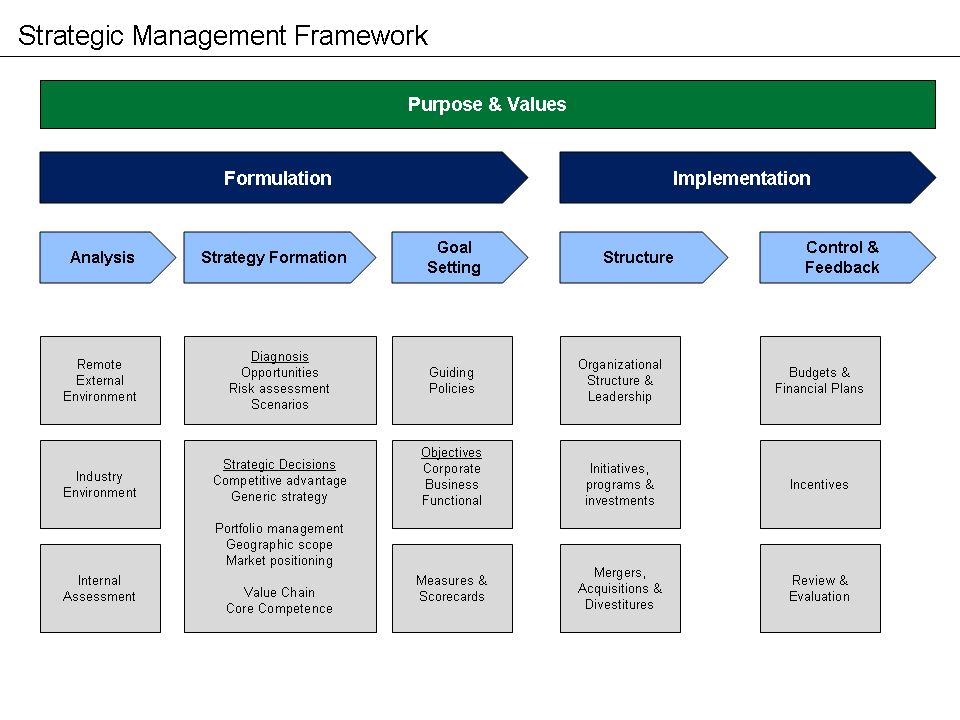
Today, HR leaders are expected to be strategic partners. They sit at the table with other executives to make key business decisions. They analyze how people-related choices will impact the company's long-term goals. For example, if a company plans to expand into a new market, the HR team will be responsible for developing a strategy to recruit, train, and retain talent in that new region. They align the people strategy with the business strategy.
Successful HR strategies are not crafted in isolation; they are intricately woven into the fabric of the organisation’s strategic objectives.
A World Without Borders
Globalization has fundamentally changed the landscape of work, and HRM has had to adapt. Companies now operate across countries and cultures, creating a complex new set of challenges and opportunities. Managing a global workforce means navigating different labor laws, cultural norms, and employee expectations.
HR professionals must now think globally. How do you create a unified company culture when your teams are spread across continents? How do you manage compensation and benefits fairly when living costs vary dramatically from one country to another? An effective global HR strategy involves balancing the need for consistent, company-wide policies with the flexibility to adapt to local customs and regulations.
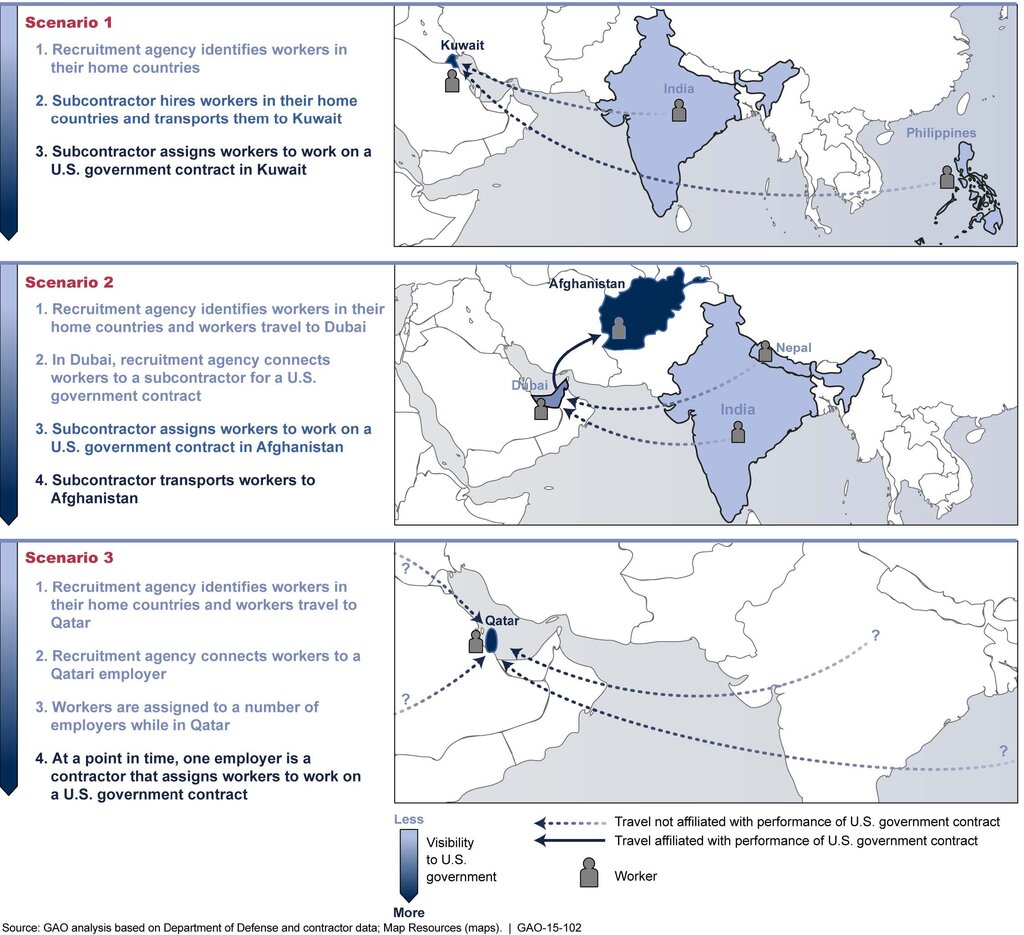
This also extends to talent. With a global talent pool, companies can hire the best person for a job, regardless of where they live. This introduces challenges in managing remote teams, handling international recruitment, and ensuring equitable treatment for all employees, no matter their location.
The Digital Transformation of HR
Just as globalization reshaped the "where" of work, technology has transformed the "how." Technological advancements have automated many of the administrative tasks that once bogged down HR departments. This has freed up HR professionals to focus on more strategic initiatives.
One of the most significant changes is the rise of the Human Resource Information System (HRIS). These platforms centralize employee data, from payroll and benefits information to performance reviews and training records. Instead of digging through file cabinets, HR managers can access critical information with a few clicks.
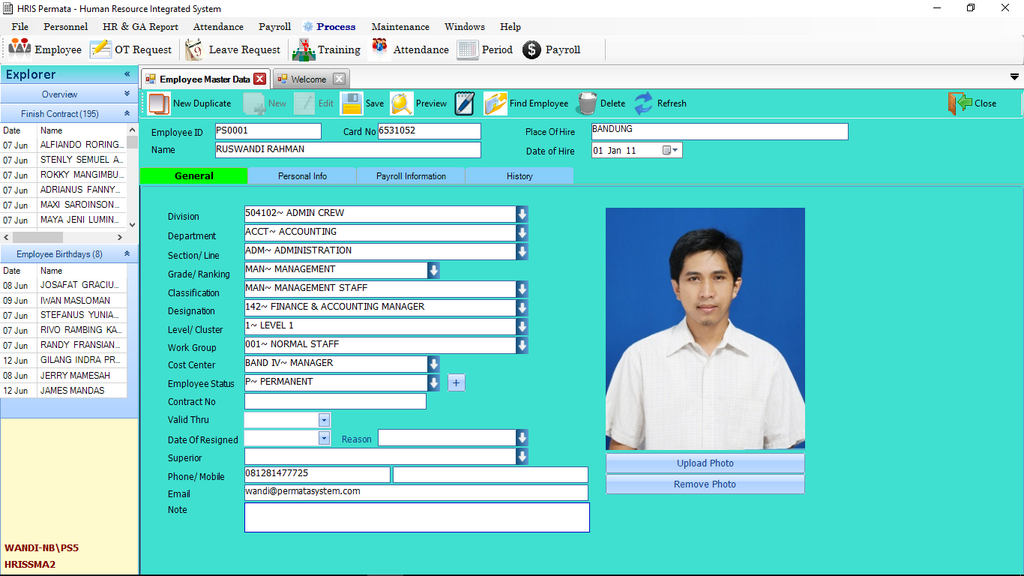
Beyond data management, technology now plays a role in nearly every HR function. Artificial intelligence helps screen resumes to find the best candidates. Virtual reality is used for immersive employee training. Data analytics allows HR teams to identify trends in employee turnover and predict future workforce needs.
This digital shift requires a new set of skills for HR professionals. Understanding data, managing technology systems, and ensuring the security of sensitive employee information are now core competencies in the field.
Now, let's test your understanding of these foundational concepts.
What best describes the fundamental shift in perspective from traditional personnel management to modern Human Resource Management (HRM)?
In a modern organization, the HR department is expected to be a 'strategic partner'. What does this primarily mean?
This introduction provides a foundation for understanding the critical role of human resources. As we move forward, we will delve deeper into the specific functions that make up the world of HRM.