HR Compensation and Benefits Fundamentals
Compensation Basics
What Is Compensation?
When you hear the word "compensation," your mind probably jumps straight to salary. That's a big part of it, but in the world of human resources, compensation is much broader. It's the total package of financial and non-financial rewards an employee receives in exchange for their work.
Total compensation includes everything of monetary value your employer provides: base salary, bonuses, equity, benefits, perks, and more.
Thinking about compensation this way is crucial. A high salary might attract someone, but a strong overall package—including things like health insurance, retirement plans, and paid time off—is often what keeps them.
The Building Blocks of Pay
A compensation package is made up of several key components. While the specific mix can vary wildly from one company to another, they generally fall into a few main categories.
Direct Compensation is the money paid directly to an employee. This includes:
- Base Pay: The fixed amount of money an employee receives, whether as an hourly wage or a set salary.
- Variable Pay: This is additional cash compensation that isn't guaranteed. It's often tied to performance—either the employee's, the team's, or the company's. Examples include bonuses, commissions, and profit-sharing.
Indirect Compensation refers to non-cash benefits that have financial value. This is a huge category that covers things like:
- Health, dental, and vision insurance
- Retirement plans (like a 401(k))
- Paid time off (vacation, sick days)
- Life and disability insurance
Finally, there are non-financial rewards. These are the intangible perks of a job that contribute to employee satisfaction but don't show up on a pay stub. Think flexible work schedules, opportunities for professional development, a positive company culture, and public recognition for a job well done. These elements are increasingly important for attracting and retaining top talent.
A Strategic Tool for Business
Compensation isn't just an expense for a company; it's a powerful strategic tool. A well-designed compensation plan is a cornerstone of a company's HR strategy because it directly influences who you hire, how long they stay, and how motivated they are.
- Attraction: A competitive package is essential for attracting qualified candidates. If your pay and benefits aren't in line with the market, you'll struggle to bring in the people you need.
- Retention: Once you have great employees, you want to keep them. Fair compensation makes employees feel valued and reduces the likelihood they'll leave for a better offer elsewhere.
- Motivation: By linking variable pay to performance, companies can encourage employees to work towards specific goals. This helps align individual effort with the company's broader objectives.
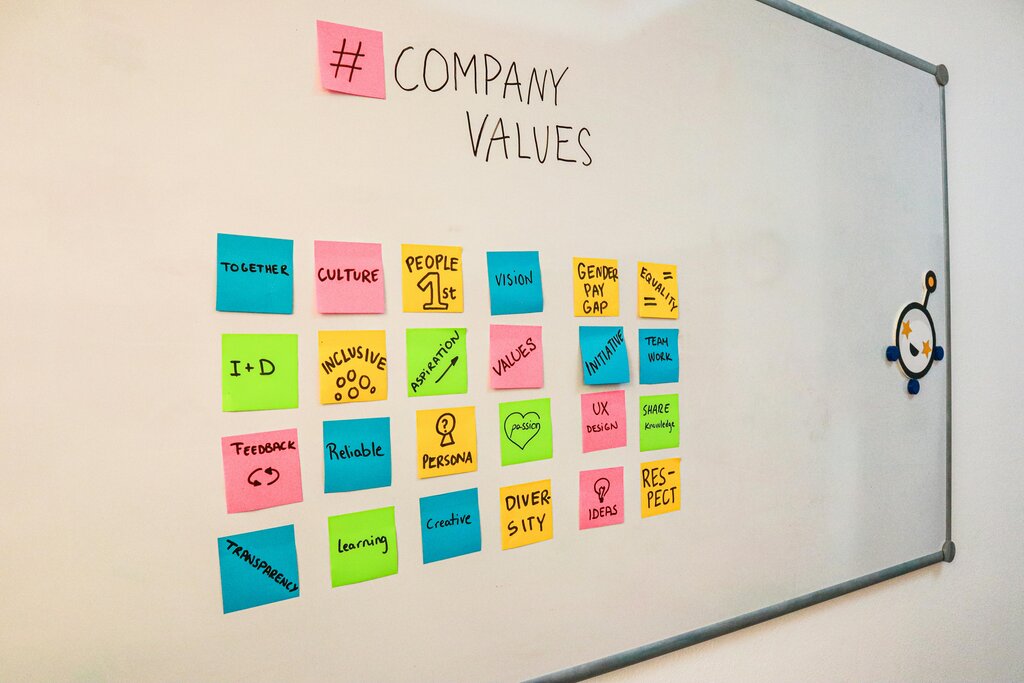
This is where compensation ties directly into business objectives. The way a company pays its people sends a strong message about what it values. A business that wants to prioritize innovation might offer bonuses for new patents or successful product launches. A company focused on customer satisfaction might tie commissions to positive client feedback.
A startup aiming for rapid growth might offer lower base salaries but significant stock options. This aligns compensation with the business goal of long-term success, motivating employees to build value.
Ultimately, a company's compensation philosophy should be a clear reflection of its strategy. It's not just about what other companies are paying; it's about creating a system that supports your unique goals and culture.
Time to check your understanding.
In the context of human resources, what does "compensation" refer to?
A company offers its employees a 401(k) retirement plan and health insurance. These are examples of what type of compensation?
By understanding these fundamentals, you can see how compensation is much more than a paycheck. It's a critical component of how a business operates and succeeds.