How Water Works in Your Home
Water Supply Basics
From Source to Faucet
When you turn on your tap, clean water flows out instantly. It feels simple, but that water has taken a long journey to reach you. Water Distribution Systems, or WDS, are the vast networks responsible for this modern convenience. They are the arteries of a city, delivering safe drinking water to every home.
Water Distribution Systems(WDS) are critical infrastructures that deliver potable water to residential areas.
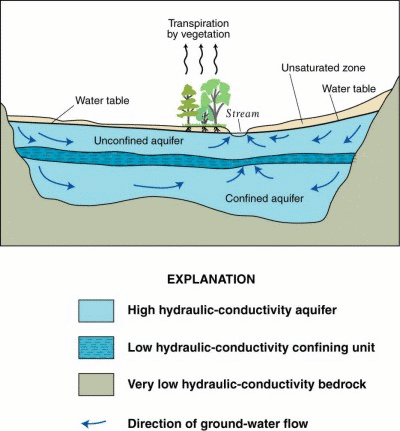
The journey starts at a natural source. For most communities, this is either surface water or groundwater. Surface water includes rivers, lakes, and reservoirs. It's often easier to access but more exposed to contamination. Groundwater is water that has seeped into the earth and is stored in underground layers of rock and sand called aquifers. It's naturally filtered by the ground, but can be harder and more expensive to pump to the surface.
aquifer
noun
An underground layer of water-bearing permeable rock, rock fractures or unconsolidated materials (gravel, sand, or silt).
The Cleaning Process
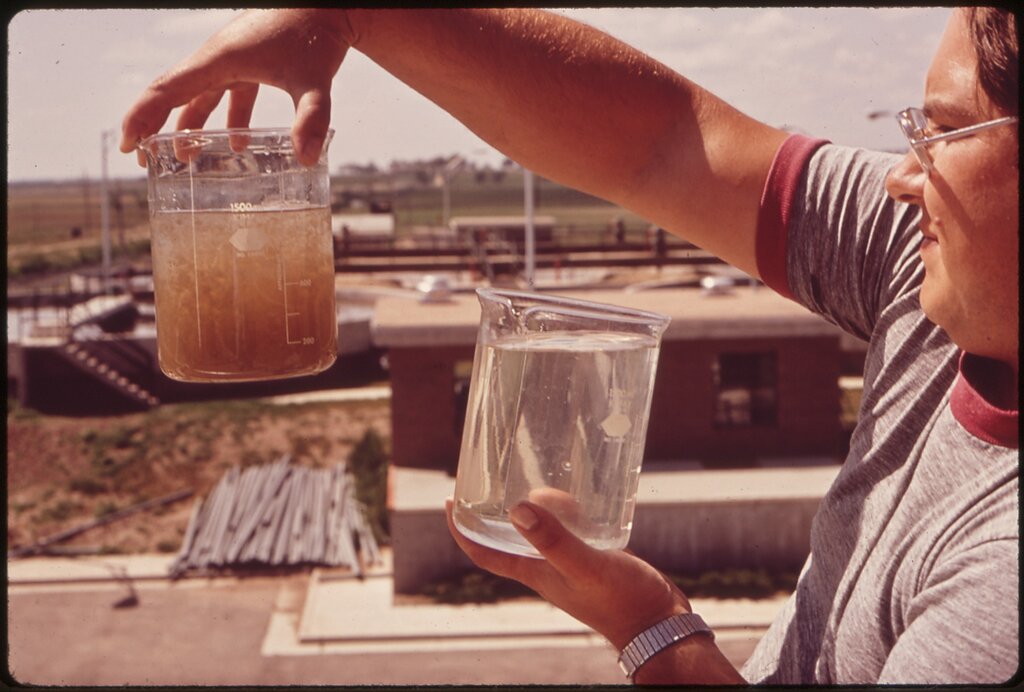
Raw water from a lake or river isn't safe to drink. It contains sediment, bacteria, and other contaminants that must be removed. This happens at a water treatment plant, which acts like a giant filter for an entire community.
Water suppliers use a variety of treatment processes to remove contaminants from drinking water.
The process generally involves several key steps:
- Coagulation and Flocculation: Chemicals are added to the water that cause tiny, sticky particles, or "floc," to form. These particles attract dirt and other contaminants, clumping them together.
- Sedimentation: The water sits in a quiet tank, and the heavy floc particles sink to the bottom, where they are removed.
- Filtration: The water then passes through layers of sand, gravel, and charcoal. This removes even smaller particles.
- Disinfection: A small amount of a disinfectant, like chlorine, is added to kill any remaining bacteria or microorganisms. This ensures the water stays safe as it travels to your home.
Delivering the Water
Once treated, the water is ready for distribution. This requires a complex network of pipes, pumps, and storage facilities. Large pipes, called water mains, act like highways, carrying massive amounts of water from the treatment plant to different neighborhoods. Smaller pipes then branch off these mains to deliver water to individual streets and homes.
Storage facilities, like water towers and underground reservoirs, are a crucial part of this network. They store treated water to ensure there's enough to meet demand, especially during peak hours like mornings and evenings. They also play a vital role in maintaining water pressure.
Think of a water tower as a battery for the water system. It stores water when demand is low and releases it when demand is high.
Water pressure is the force that pushes water through the pipes and out of your faucet. Most systems rely on gravity to create this pressure. By pumping water up into an elevated tower, the weight of the water creates pressure that forces it through the mains and into homes. For areas that are too high for a tower to serve effectively, booster pumps are used to increase pressure along the line.
Ready to test your knowledge on how water gets to your home?
What are the two primary natural sources of water for community water systems?
Which step in the water treatment process uses chemicals to make tiny particles clump together into larger, heavier particles called 'floc'?
The journey from a river to a glass of water involves a massive, coordinated effort of sourcing, treating, and distributing. It's a hidden infrastructure that is fundamental to modern life.