How Servers Work
Introduction to Servers
What Is a Server?
Think of a server like a librarian. You go to the library (the network) and ask the librarian (the server) for a specific book. The librarian finds it on the shelves and gives it to you. In the digital world, a server does a similar job. It's a computer or a program that provides services, data, or resources to other computers, which are called clients.
server
noun
A computer hardware or software program that provides functionality for other programs or devices, called clients.
When you hear the word "server," you might picture a room full of large, humming machines with blinking lights. That's often true for big companies that handle massive amounts of information. These dedicated machines are powerful pieces of hardware built to run 24/7.
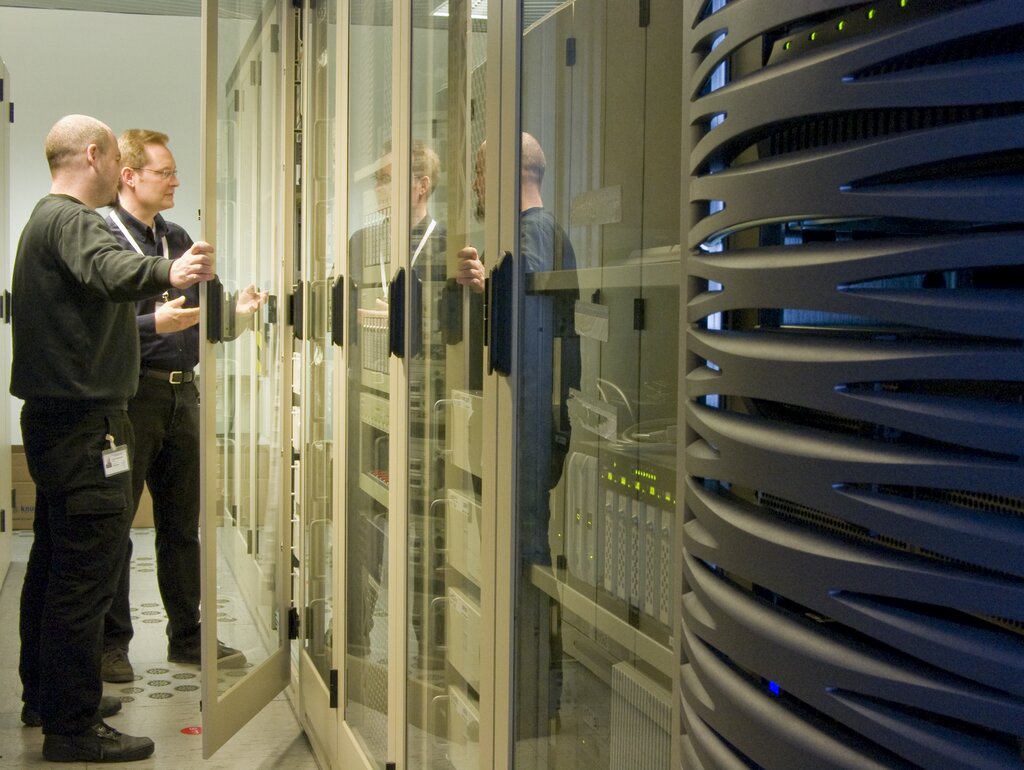
However, a server isn't always a physical machine. It can also be a software program running on a computer. Even a regular desktop computer can act as a server. The key isn't the size or shape of the computer, but the role it plays: its job is to listen for requests from clients and serve them what they need.
The Client-Server Model
This relationship between the computer asking for something and the computer providing it is called the client-server model. It’s the foundation of how the internet works.
Your web browser, for example, is a client. When you type a website address like www.example.com and hit Enter, your browser sends a request over the internet. A server somewhere in the world receives that request, finds the data for example.com, and sends it back to your browser, which then displays the webpage for you. This all happens in seconds.
This isn't just for websites. Streaming a movie, sending an email, or playing an online game all use the client-server model. Your device acts as the client, requesting a specific piece of content or action, and a powerful server delivers it.
Different Servers, Different Jobs
Just like people have different jobs, servers are specialized to handle different kinds of tasks. A single large service, like an online store, might rely on many different types of servers working together.
| Server Type | Primary Job |
|---|---|
| Web Server | Stores and delivers website content (HTML, CSS, images). |
| Database Server | Manages and provides access to a large database. |
| File Server | Stores and manages files for multiple users to access. |
| Mail Server | Handles the sending, receiving, and storing of email. |
| Game Server | Manages the data for an online multiplayer video game. |
For example, when you visit an online store, your browser (the client) first contacts a web server to get the basic webpage. When you search for a product, the web server sends a request to a database server, which looks up the item's price, description, and availability. When you complete your purchase, your information is processed and stored securely by these servers. Each server has a specific, vital role in making your experience seamless.
The key takeaway is that servers are the backbone of our digital lives, working behind the scenes to deliver the content and services we use every day.
In the client-server model, what is the primary role of a server?
A server must always be a large, dedicated physical machine.
Servers are the invisible engines of the internet, managing requests and delivering data. Understanding their role is the first step to understanding how modern computing and networks operate.