How LLMs Work
Introduction to LLMs
What Are Large Language Models?
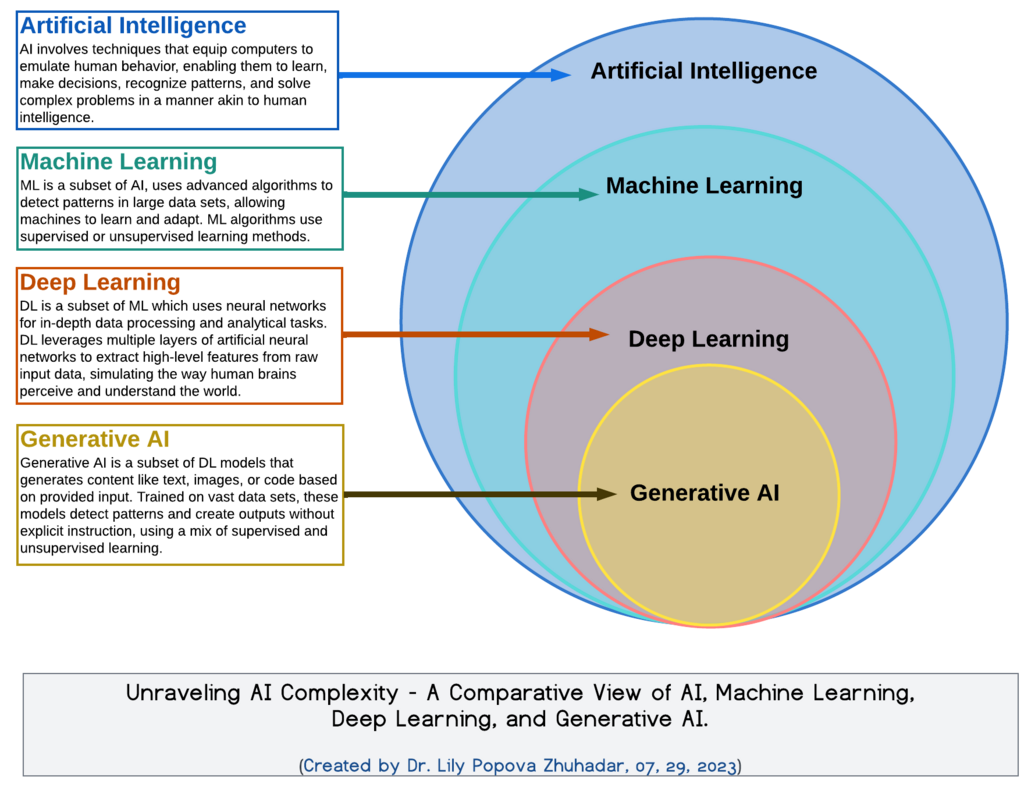
Large Language Models, or LLMs, are a type of artificial intelligence designed to understand and generate human-like text. Think of them as incredibly advanced autocomplete systems. They've been trained on massive amounts of text data from the internet, books, and other sources, allowing them to learn the patterns, grammar, context, and nuances of human language.
At its core, an LLM's primary task is simple: predict the next word in a sequence. By doing this over and over, it can write sentences, paragraphs, and even entire articles.
This ability has revolutionized the field of Natural Language Processing (NLP), which is all about how computers and humans interact using language. Before LLMs, NLP tasks like translation or summarization required highly specialized, single-purpose models. Now, a single powerful LLM can perform a wide variety of language-based tasks, from writing an email to generating computer code.
A Brief History
The concept of models that learn from language isn't new, but the scale and capability of modern LLMs are. The journey began with simpler statistical models that could only look at a few words at a time. The real breakthrough came with the development of a new architecture called the Transformer in 2017. This allowed models to handle much longer sequences of text and weigh the importance of different words, which is crucial for understanding context.
This innovation paved the way for a new generation of models. OpenAI released its Generative Pre-trained Transformer (GPT) series, with each version growing significantly more powerful. Other major players, like Google, also entered the field with models like PaLM (Pathways Language Model).
| Model | Year | Key Contribution |
|---|---|---|
| GPT-2 | 2019 | Showcased the power of large-scale models for coherent text generation. |
| GPT-3 | 2020 | Demonstrated remarkable few-shot learning abilities, performing tasks with minimal examples. |
| PaLM | 2022 | Pushed the boundaries of model scale and showed strong reasoning capabilities. |
| ChatGPT | 2022 | Made LLM technology accessible to the public through a user-friendly chat interface. |
LLMs in Action
You've likely already interacted with an LLM, perhaps without even realizing it. Their applications are becoming more widespread every day.
Large Language Models (LLMs) have transformed numerous domains by providing advanced capabilities in natural language understanding, generation, and reasoning.
Common uses include:
- Content Creation: Drafting emails, writing articles, and generating creative stories.
- Conversational AI: Powering sophisticated chatbots and virtual assistants that can handle customer service inquiries or just have a chat.
- Summarization: Condensing long documents, articles, or research papers into key points.
- Translation: Translating text between languages with greater accuracy and nuance than ever before.
- Code Generation: Writing code snippets or entire functions based on a description in plain English.

Let's take a moment to review what we've covered.
Now, let's test your knowledge.
What is the primary function of a Large Language Model (LLM)?
Which technological innovation, introduced in 2017, was a major breakthrough for the development of modern LLMs?
These models represent a huge leap forward in making computers understand and use language in a way that feels more natural and intuitive to us. As they continue to evolve, they will undoubtedly find even more ways to assist and augment human creativity and productivity.