How Large Language Models Work
Introduction to Large Language Models
What Are Large Language Models?
A Large Language Model, or LLM, is a type of artificial intelligence designed to understand and generate human-like text. Think of it as a complex pattern-recognition machine that has been trained on a massive amount of text data. By learning the relationships between words and sentences, it can perform a wide range of tasks, from answering questions to writing stories.
Large language models (LLMs) are AI systems that understand and create human language, doing tasks like summarizing articles, answering questions, writing code, and more.
Their significance comes from this versatility. LLMs have fundamentally changed how we interact with computers, making it possible to use natural language for tasks that once required specialized software or programming skills. They power chatbots, help developers write code, and even assist scientists with research.
From Simple Stats to Deep Learning
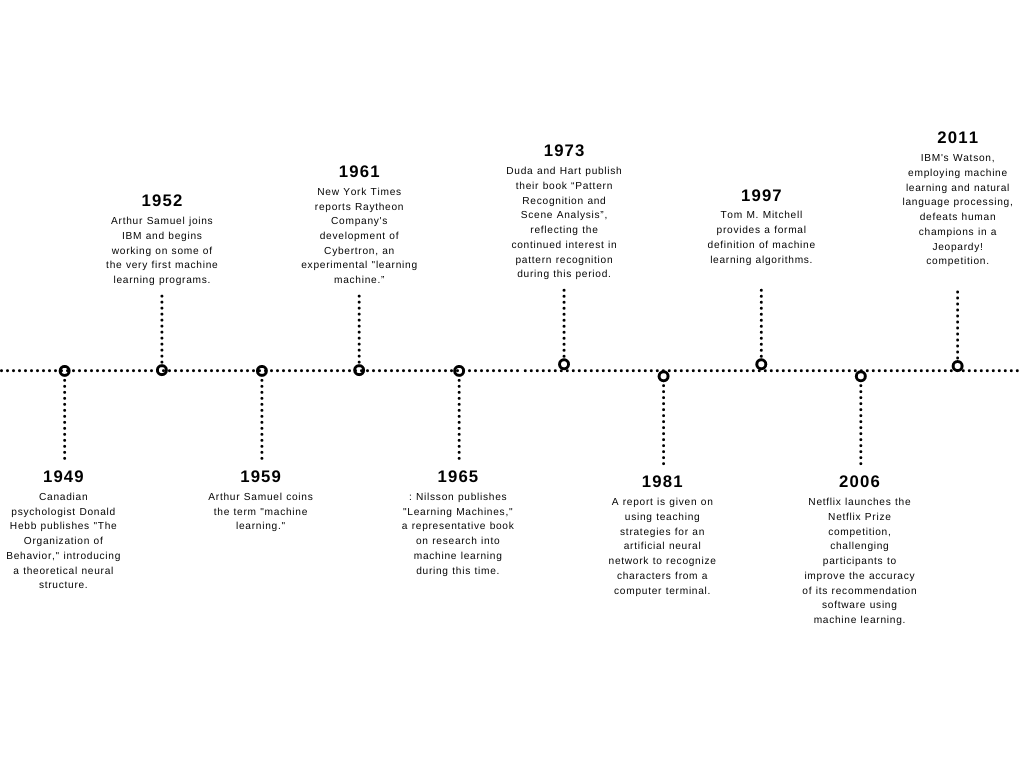
Language models aren't a new idea. Early versions were statistical. They worked by calculating the probability of which word would come next in a sequence. For example, after seeing the phrase "the cat sat on the," a statistical model might determine that "mat" is a highly probable next word based on analyzing countless sentences.
These early models, often called n-gram models, were useful but limited. They could only consider a short history of a few words, so they struggled with long-term context and the subtle nuances of human language.
The big shift came with the rise of neural networks, a type of machine learning inspired by the human brain. These networks can process information in more complex ways, allowing them to capture deeper linguistic patterns. Over time, researchers built bigger and more powerful neural networks, feeding them more and more data. This evolution led us from simple word predictors to the sophisticated LLMs we have today.
What Makes an LLM 'Large'?
The name gives a hint, but three key characteristics define a modern LLM.
Scale: LLMs contain billions or even trillions of parameters. A parameter is like a knob that the model adjusts during training. This immense number of parameters allows LLMs to learn incredibly complex patterns in language, far beyond the capacity of earlier models.
Training Data: To learn effectively, LLMs are trained on vast datasets containing text and code from the internet. This library can be equivalent to billions of books. By processing this information, the model learns grammar, facts, reasoning abilities, and different styles of communication.
Capabilities: The combination of massive scale and data gives LLMs a wide range of abilities. They can generate creative text, summarize long documents, translate languages, answer questions in a conversational way, and write computer code.
Challenges and Limitations
Despite their power, LLMs are not perfect. They come with significant challenges.
One major issue is bias. Since LLMs learn from human-written text on the internet, they can inherit and amplify the biases found in that data. This can lead to unfair or prejudiced outputs.
Another challenge is the tendency for LLMs to "hallucinate," meaning they sometimes generate confident-sounding but incorrect or nonsensical information. Because they are designed to predict the next plausible word, not to state facts, they can invent answers when they don't know the correct one.
Finally, the computational demand is enormous. Training and running these models requires massive amounts of energy and specialized hardware, making them expensive to develop and operate. This raises environmental concerns and limits access to the most powerful models.
That's a quick tour of what LLMs are. Now, let's test your understanding of these powerful tools.
What is the primary function of a Large Language Model (LLM)?
What was a key limitation of early statistical language models, such as n-gram models?