How Large Language Models Work
Introduction to LLMs
What Are LLMs?
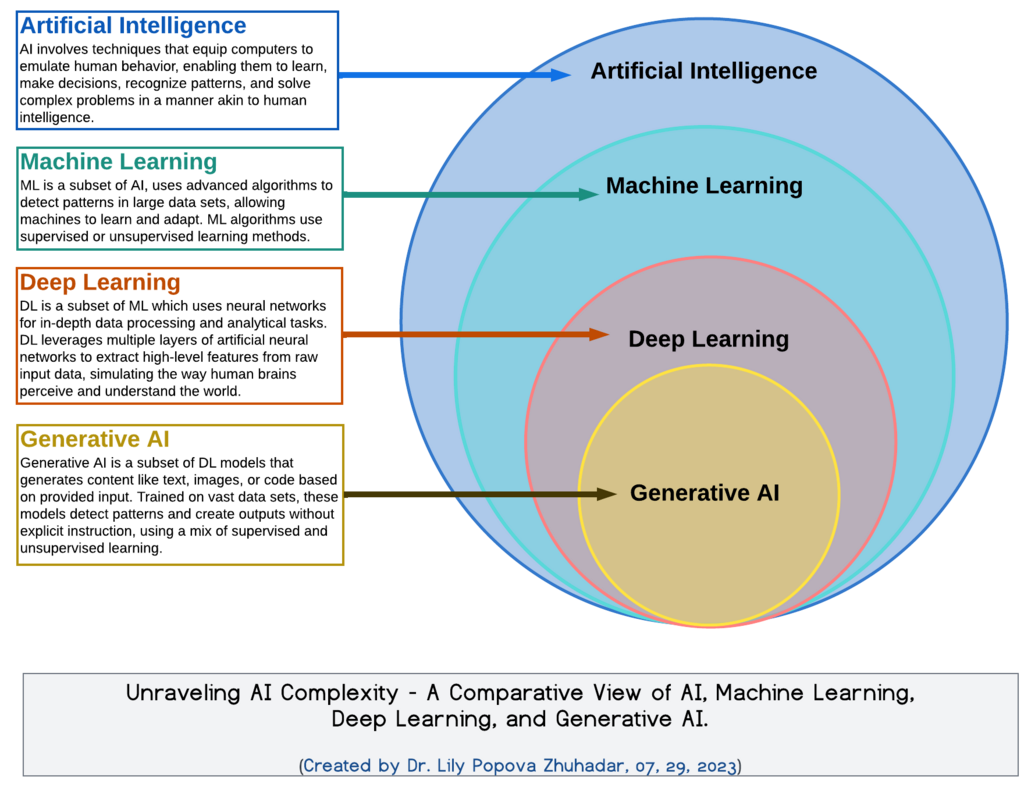
Large Language Models, or LLMs, are a type of artificial intelligence designed to understand and generate human language. Think of them as incredibly advanced text predictors. They are trained on vast amounts of text data—from books, articles, websites, and more—allowing them to learn the patterns, grammar, context, and nuances of language.
Large language models (LLMs) are AI systems that understand and create human language, doing tasks like summarizing articles, answering questions, writing code, and more.
Their significance comes from this unique ability. Instead of being programmed for one specific task, like a calculator or a chess-playing computer, LLMs are general-purpose tools. They can translate languages, write poetry, explain complex topics, and even generate computer code. This versatility has made them a transformative force in technology, changing how we interact with information and create content.
A Brief History
The idea of machines understanding language isn't new, but the path to today's powerful LLMs has been long and marked by key breakthroughs. Early language models from the mid-20th century were statistical. They used probabilities to guess the next word in a sequence based on the previous few words. While groundbreaking, they had a very limited memory and struggled with long-term context.
The game changed with the development of neural networks, which are computing systems inspired by the human brain. These models could capture more complex language patterns. A major leap forward came in 2017 with the introduction of the "Transformer" architecture. This new design allowed models to weigh the importance of different words in a sentence, giving them a much better grasp of context, no matter how far apart the words were. This innovation paved the way for the massive, powerful LLMs we see today.
| Year | Milestone | Significance |
|---|---|---|
| ~1950s | Statistical Language Models | Used probabilities (n-grams) to predict the next word. Foundational but limited. |
| ~1990s | Recurrent Neural Networks (RNNs) | Introduced a form of memory, allowing models to consider previous words in a sequence. |
| 2017 | The Transformer Architecture | Introduced the "self-attention" mechanism, revolutionizing how models handle long-range context. |
| 2018-Present | Rise of Large-Scale Models | Models like BERT and GPT are trained on enormous datasets, leading to today's powerful LLMs. |
The Basic Building Blocks
To work with an LLM, you need to understand three core concepts: tokens, prompts, and completions. These are the fundamental elements of any interaction you have with these models.
token
noun
A piece of a word, a whole word, or a punctuation mark that a language model uses as its basic unit for processing text.
First, LLMs don't see words the way we do. They break text down into smaller pieces called tokens. A token might be a full word like "apple," a part of a word like "-ing," or a piece of punctuation. For example, the phrase "LLMs are powerful" might be tokenized into [LLMs], [are], [powerful].
Next, the input you give to an LLM is called a prompt. This is your instruction or question. A good prompt is clear and provides enough context for the model to understand what you want. It's the starting point of the conversation.
Finally, the output the LLM generates in response to your prompt is called a completion. The model takes your prompt and "completes" it by predicting the most likely sequence of tokens that should follow. This is the answer, the story, or the code it writes for you.
Understanding these three elements is the first step to effectively using and making sense of LLMs.
Now, let's test your understanding of these foundational ideas.
What is the primary function of a Large Language Model (LLM)?
The input you provide to an LLM is called a _____, and the output it generates is called a _____.
With these basics in mind, you're ready to explore what makes these models tick.