How Large Language Models Work
Introduction to LLMs
What Are Large Language Models?
A Large Language Model, or LLM, is a type of artificial intelligence designed to understand and generate human-like text. Think of it as an incredibly well-read student who has spent years memorizing a library the size of the internet. This student doesn't understand concepts or have beliefs like a person does, but it has become an expert at recognizing patterns, grammar, and the relationships between words.
At their core, LLMs are pattern-matching machines. They work by calculating the probability of what word should come next in a sequence.
This core ability allows them to do much more than just predict the next word in a sentence. By stringing these predictions together, they can write emails, summarize long documents, translate languages, and even generate computer code. The “large” in their name refers to two things: the enormous amount of text data they are trained on and the vast number of parameters, or internal variables, they use to make their predictions.
A Brief History
LLMs might seem like a recent phenomenon, but they are built on decades of research in natural language processing (NLP). Early attempts to get computers to understand language relied on complex, hand-written rules. These systems were brittle and couldn't handle the endless variety of human expression.
Later, statistical models came along. These were a step up, using probabilities to guess the next word based on the last few words. They were better, but their memory was short, and their understanding of context was shallow. The real game-changer arrived in 2017 with the invention of the “Transformer” architecture. This new design allowed models to weigh the importance of different words in a sentence, no matter how far apart they were. This ability to grasp long-range context was the key that unlocked the power of modern LLMs.
With the Transformer as their engine, researchers could build models with billions of parameters and train them on huge datasets scraped from the web. This led to a rapid explosion in capabilities, moving from simple text completion to sophisticated conversation and reasoning.
Where Are LLMs Used?
The applications for LLMs are broad and growing. Their ability to process and generate language makes them useful in almost any industry that deals with information.
In customer service, they power chatbots that can answer questions and resolve issues 24/7. In healthcare, they help doctors by summarizing patient notes and the latest medical research, freeing up time for patient care. Software developers use them as coding assistants to write, debug, and explain code, significantly speeding up their workflow.
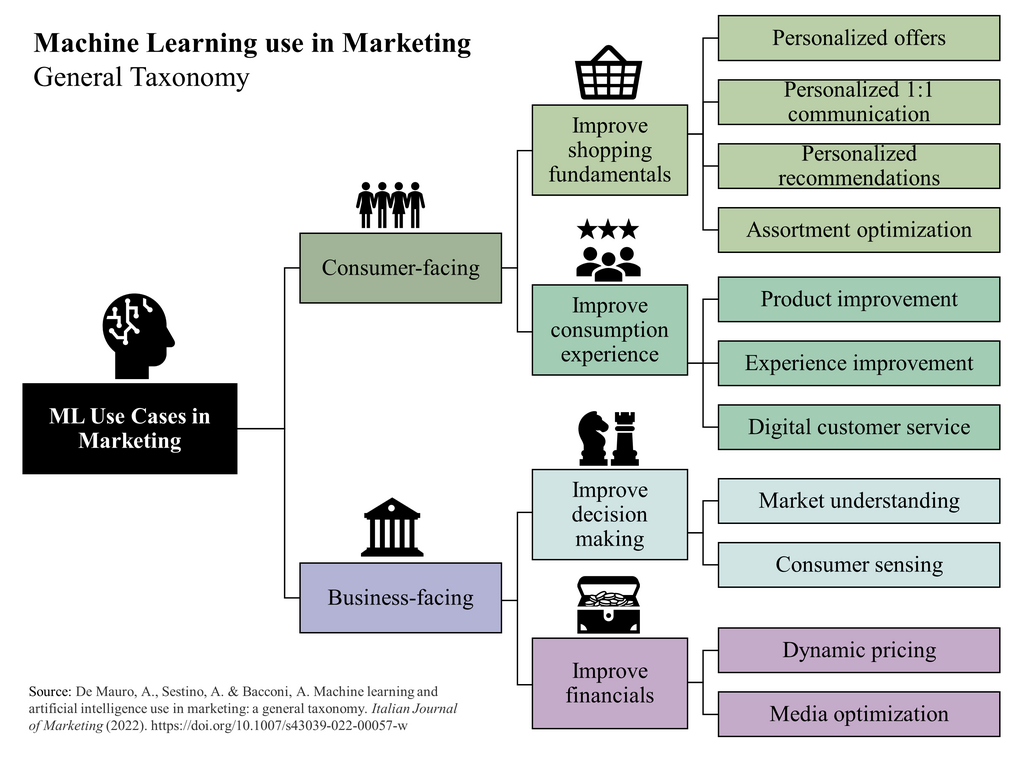
In education, they act as personalized tutors, explaining complex topics in simple terms and helping students practice new skills. Content creators use them to brainstorm ideas, draft articles, and generate social media posts. The legal field is also seeing an impact, with LLMs used to quickly search and summarize vast legal documents, making research much more efficient.
These are just a few examples. As the technology continues to evolve, LLMs are becoming a fundamental tool for working with language and information, changing how we interact with technology and each other.
Let's check your understanding of these core concepts.
What is the fundamental capability of a Large Language Model (LLM) that allows it to generate human-like text?
The "large" in Large Language Model refers to the model's physical size and the length of text it can generate.