How Home Heating Works
Introduction to Heating Systems
The Goal of a Heating System
At its core, a home heating system has a simple job: to keep you comfortable when it's cold outside. It does this by moving heat from a source—like a furnace in the basement or a heat pump outside—into your living spaces. The fundamental challenge is always the same: how to efficiently generate heat and distribute it throughout the house.
To understand how these systems work, we first need to look at how heat itself moves around. It's a natural process governed by a simple rule: heat always flows from a warmer area to a cooler one, never the other way around. Every heating system is designed to control this natural flow.
How Heat Travels
Heat gets from one place to another in three distinct ways: conduction, convection, and radiation. Heating systems use a combination of these methods to warm your home.
Conduction is heat transfer through direct contact. If you touch a hot stove, the heat moves directly to your hand. In a home, heat conducts through walls, windows, and floors.
Convection is heat transfer through the movement of fluids, like air or water. When you boil water, the water at the bottom heats up, becomes less dense, and rises. The cooler, denser water sinks, gets heated, and rises in turn. This circulation, called a convection current, is exactly how forced-air furnaces heat a house.
Radiation is heat transfer through electromagnetic waves. You feel the sun's warmth on your face even though you're millions of miles away. A campfire warms you from a distance in the same way. Radiant heating systems use this principle to warm objects and people in a room directly.
Understanding these three methods is key, because different heating systems rely more heavily on one than the others.
Common Heating Systems
Residential heating systems come in several common forms. While the internal workings can be complex, they all fall into a few basic categories based on how they generate and distribute heat.
| System Type | How It Works | Primary Heat Transfer |
|---|---|---|
| Forced-Air | A central furnace or heat pump heats air, which is then blown through a network of ducts to vents in each room. | Convection |
| Hydronic | A boiler heats water, which is then pumped through pipes to radiators, baseboard heaters, or tubes in the floor. | Convection & Radiation |
| Radiant | Electric coils or hot water tubes embedded in floors, walls, or ceilings directly warm the surfaces of a room. | Radiation |
| Space Heaters | Small, portable units that heat a single room or small area using electricity, propane, or other fuels. | Convection & Radiation |
Forced-air systems are the most common in North America. They are great for quickly changing the temperature of the entire house and can be combined with central air conditioning that uses the same ductwork.
Hydronic systems, using hot water, are often considered to provide a more comfortable, even heat because radiators warm a room more gradually. The ancient Romans even used a basic form of hydronic radiant heat called a hypocaust, which sent hot air from a furnace under the floors.
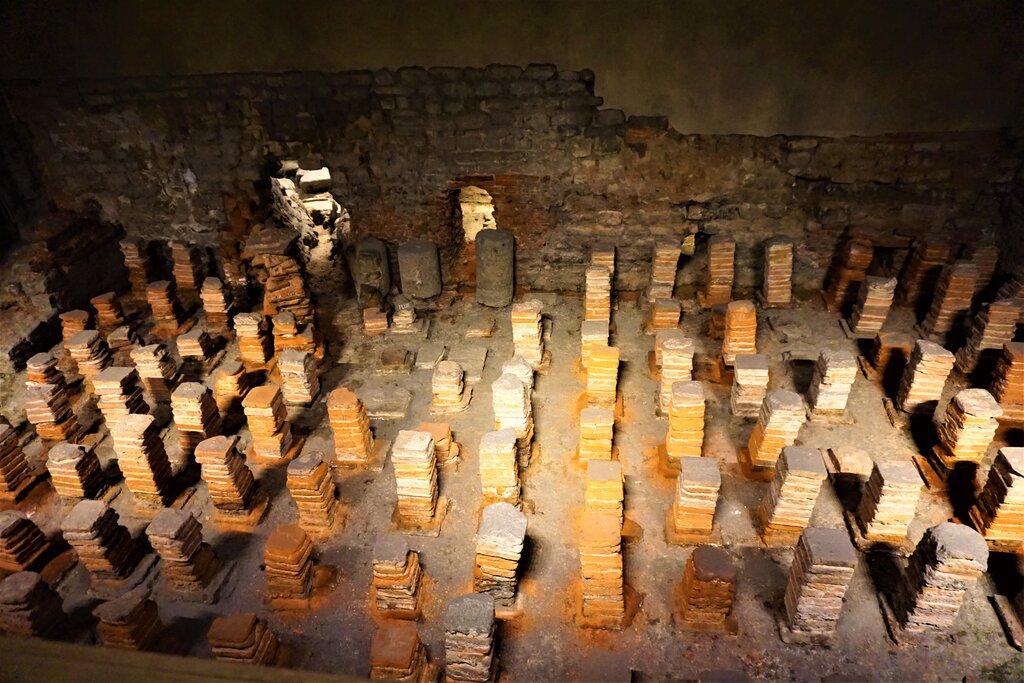
Each approach has its own set of advantages for different climates, home designs, and budgets. The goal, however, remains the same: to effectively manage the flow of heat to create a warm and comfortable living space.
Ready to test your knowledge on these fundamentals?
According to the fundamental principles of thermodynamics, which direction does heat naturally flow?
Forced-air systems, common in North America, use ductwork to distribute warmth. This process primarily relies on which method of heat transfer?