How GLP-1 Drugs Work
Introduction to GLP-1 Receptor Agonists
The Body's Natural Signal
When you eat a meal, your small intestine releases a hormone called glucagon-like peptide-1, or GLP-1. This hormone is a key player in managing your body's response to food. It signals your pancreas to release insulin, which helps your cells absorb glucose from your bloodstream for energy. At the same time, it tells your brain that you're full, reducing your appetite.
GLP-1 also slows down how quickly food leaves your stomach, a process known as gastric emptying. This helps prevent sharp spikes in blood sugar after a meal and contributes to that feeling of fullness, encouraging you to eat less.
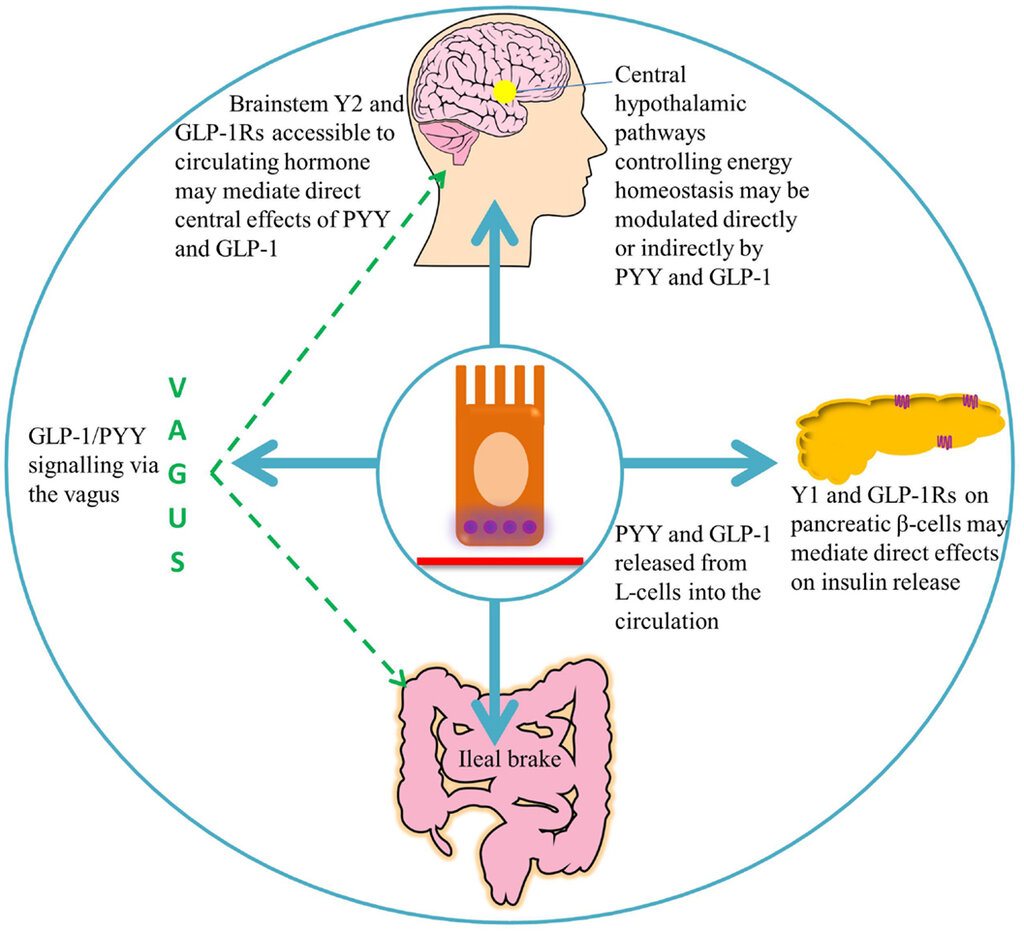
There's just one problem with the body's natural GLP-1: it doesn't last long. An enzyme called dipeptidyl peptidase-4 (DPP-4) breaks it down within minutes. This rapid degradation means its effects are short-lived, which limits its usefulness as a long-term regulator of appetite and blood sugar.
Engineering a Longer-Lasting Signal
Scientists saw the potential in GLP-1 for treating conditions like type 2 diabetes and obesity. The challenge was to create a version that could stick around longer in the body. The solution was to develop drugs that mimic the action of GLP-1 but are resistant to being broken down. These drugs are called GLP-1 receptor agonists.
agonist
noun
A substance that binds to a specific receptor and triggers a response in the cell, mimicking the action of a naturally occurring substance.
These drugs, like semaglutide, are synthetic versions of the human GLP-1 hormone. They are designed to do everything natural GLP-1 does—stimulate insulin release, suppress appetite, and slow gastric emptying—but for much longer. To achieve this, scientists made a few clever tweaks to the molecule's structure.
To overcome this limitation, semaglutide was developed by modifying the structure of GLP-1 to resist degradation by DPP-4, resulting in a longer half-life and enhanced therapeutic efficacy.
First, they made small amino acid substitutions to shield the molecule from the DPP-4 enzyme. This change alone makes it much more durable.
Second, they attached a fatty acid chain. This allows the drug to bind to albumin, a common protein in the blood. By hitching a ride on albumin, the drug is protected from being filtered out by the kidneys, extending its half-life from a few minutes to about a week. This means a once-weekly injection can provide a steady, therapeutic effect.
Therapeutic Uses
Because they effectively lower blood sugar and reduce appetite, GLP-1 receptor agonists have become powerful tools for managing two major health conditions.
Originally developed for type 2 diabetes, these drugs help patients control their blood glucose levels by enhancing the body's natural insulin response. Their effect is glucose-dependent, meaning they primarily stimulate insulin release when blood sugar is high, reducing the risk of hypoglycemia.
Their significant impact on appetite and food intake also makes them highly effective for weight management. For individuals with obesity, these medications can lead to substantial weight loss, which in turn can improve a range of obesity-related health issues.
Glucagon-like peptide-1 (GLP-1) receptor agonists are a family of medications that help people shed the pounds, manage blood sugar in patients with type 2 diabetes and prevent heart attacks and strokes in people with heart disease.
Let's check your understanding of these concepts.
What are the primary functions of the hormone glucagon-like peptide-1 (GLP-1) released after a meal?
What is the main reason the effects of the body's natural GLP-1 are so brief?
By mimicking and enhancing a natural bodily process, these engineered hormones offer a new approach to tackling complex metabolic disorders.