How Electrical Sockets Work
Electrical System Basics
Power's Journey to Your Home
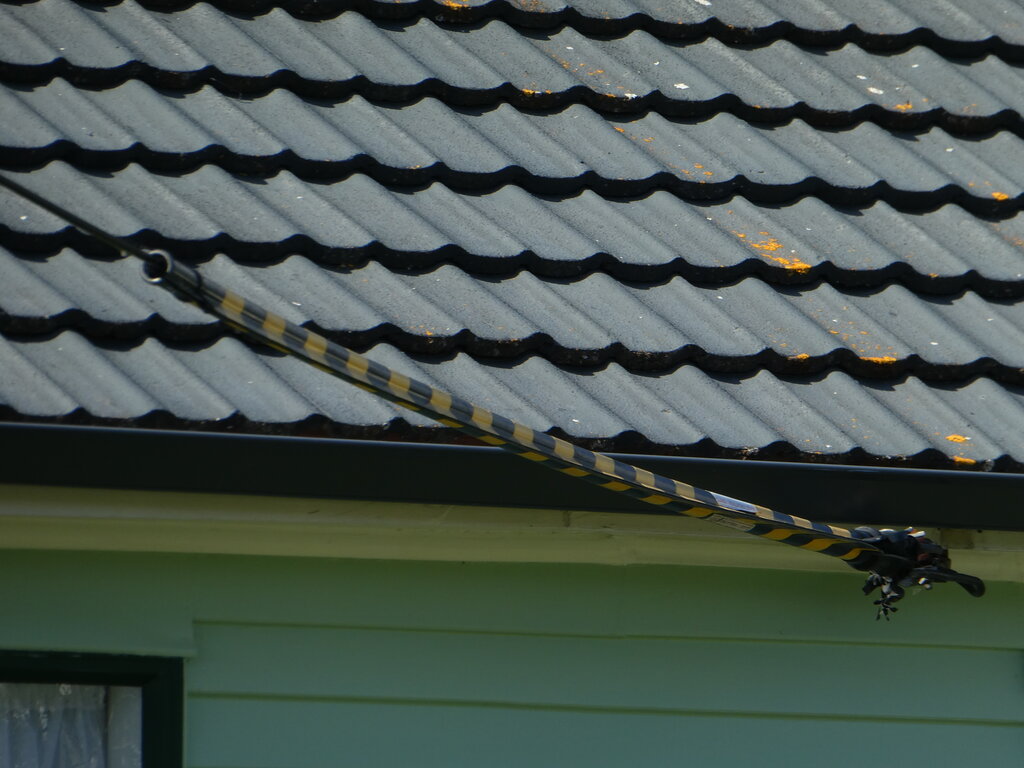
Electricity doesn't just appear in your outlets. It travels a long way, ending its journey at your home through a set of thick wires called the service drop. These connect the utility company's power lines to your house, either overhead or underground.
Before entering your home, the power passes through an electric meter. This device, usually in a glass case on an exterior wall, measures how much electricity you use. From the meter, the electricity flows into the main service panel, the heart of your home's electrical system.
The Electrical Command Center
The service panel, often called a breaker box or fuse box, is a metal cabinet typically found in a utility room, basement, or garage. It acts as the distribution hub, taking the main power feed and splitting it into smaller branch circuits that run throughout the house.
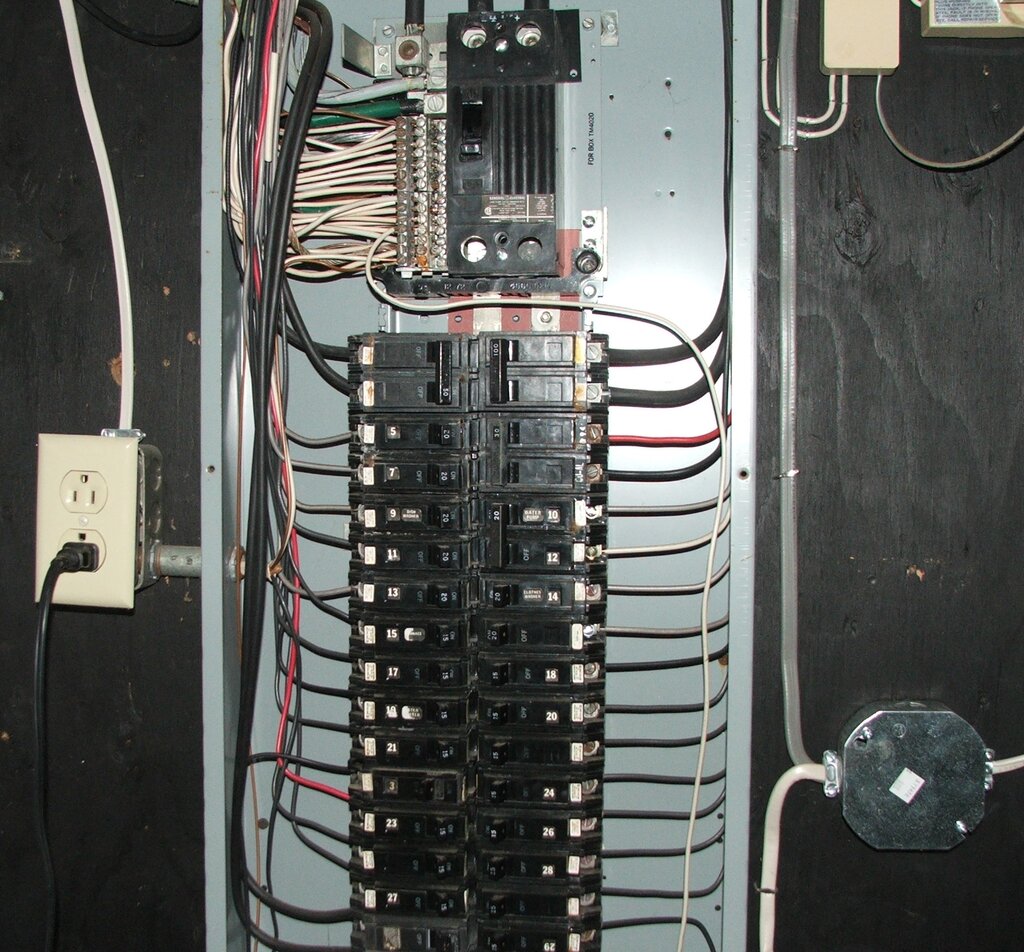
Inside the panel, you'll find a main breaker at the top. This switch can shut off all power to the house at once. Below it are rows of smaller circuit breakers. Each one controls a specific circuit, like the outlets in your living room or the kitchen lights.
Think of a circuit breaker as a safety switch. Its job is to protect your wiring from damage and prevent fires.
If a circuit draws too much current, a condition known as an overload, the breaker for that circuit will automatically trip, cutting off the power. This can happen if you plug too many high-power devices into one outlet. A short circuit, where a hot wire touches a neutral or ground wire, will also cause a breaker to trip instantly.
Older homes might have fuses instead of breakers. Fuses serve the same protective purpose, but when one blows, it must be replaced with a new one. A tripped breaker, on the other hand, can simply be switched back on after the problem is fixed.
Branching Out
From the service panel, individual circuits branch out like a tree, carrying power to different parts of your home. Each circuit is a loop, with electricity flowing from the panel, through the devices on that circuit, and back to the panel.
This system of separate circuits is crucial for both safety and convenience. It ensures that the wires for a specific circuit are appropriately sized for the expected electrical load. For example, high-power appliances like an electric stove or a central air conditioner will have their own dedicated circuits to handle their heavy power draw.
Dividing power this way also means that if one circuit trips, it won't affect the rest of the house. You can reset the breaker for the kitchen without turning off the lights in the living room.
What is the main distribution hub for electricity within a home, splitting the main feed into smaller branch circuits?
A circuit breaker trips in response to a short circuit or an overload.
Now you know how power gets into your house and is safely distributed. This fundamental system is what makes every switch and outlet work.