How Electric Vehicles Work
Introduction to Electric Vehicles
What Are Electric Vehicles?
An electric vehicle, or EV, is a car that runs on electricity. Instead of a gasoline engine, it uses one or more electric motors powered by a large rechargeable battery. Think of it like a giant, drivable smartphone.
This is fundamentally different from the cars most of us grew up with. A traditional car has an internal combustion engine (ICE), which works by igniting a mix of fuel and air to move pistons. This process creates power, but it also creates exhaust.
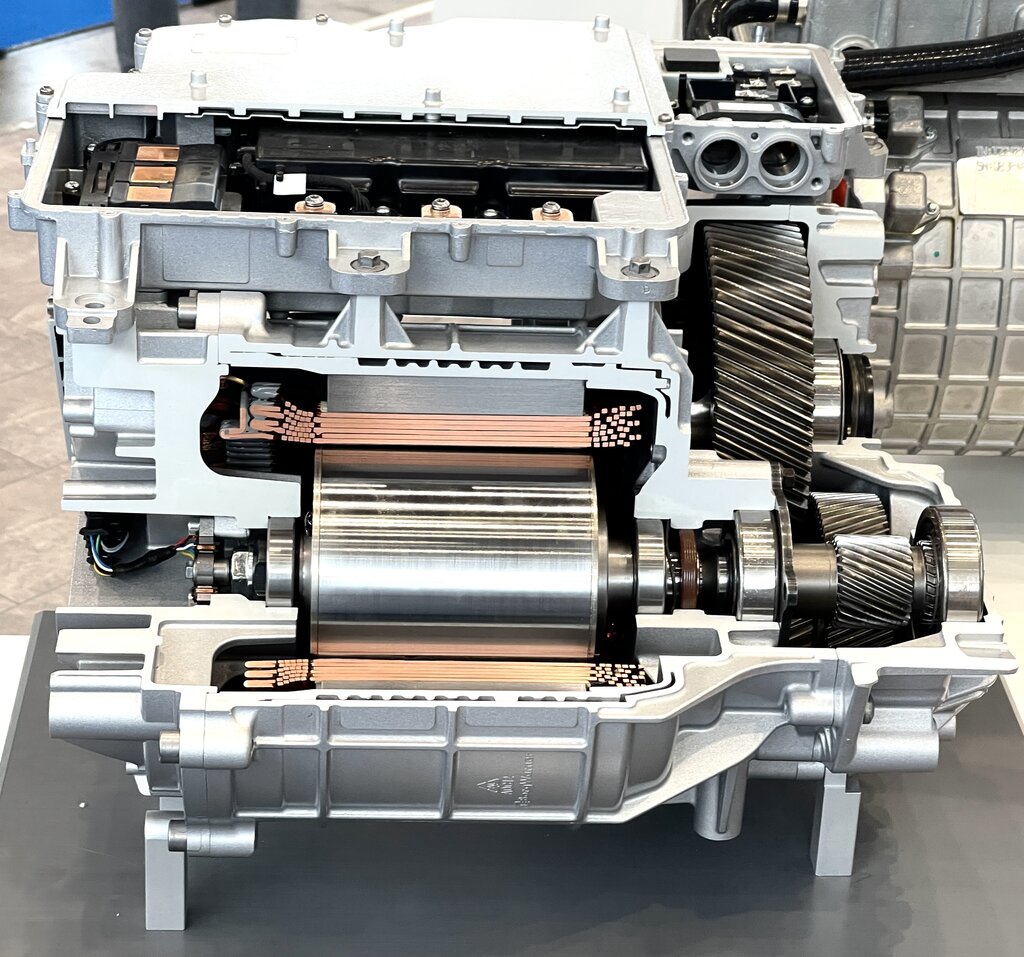
Because an EV doesn't burn fuel, it has no exhaust system. This means it produces zero tailpipe emissions. The absence of engine noise also makes for a surprisingly quiet and smooth ride. Power delivery is instant, giving EVs quick acceleration from a standstill.
The Environmental Edge
The biggest advantage of EVs is their positive impact on the environment. Transportation is a major source of greenhouse gas emissions, which contribute to climate change. By eliminating tailpipe emissions, EVs help reduce our carbon footprint and lead to cleaner air in our communities.
Apart from limiting carbon dioxide emissions, electric cars can also improve the local air quality in cities by moving emissions from cars to power plants.
Of course, an EV is only as clean as the electricity that charges it. The overall environmental benefit depends on how that electricity is generated. If the power comes from renewable sources like solar or wind, the benefit is massive. Even when charged with electricity from a grid that includes fossil fuels, EVs are generally more efficient and produce fewer emissions over their lifetime compared to gas cars.
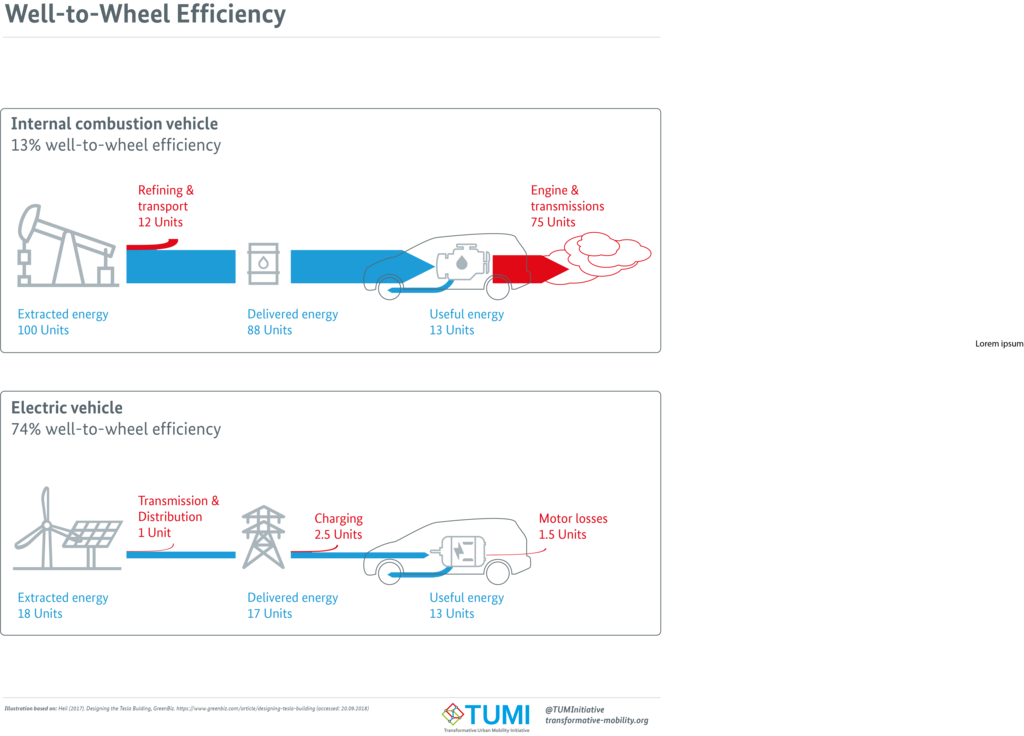
This concept is called "well-to-wheel" efficiency. It accounts for the entire process, from extracting the energy source (crude oil or renewables) to delivering power to the wheels. EVs are far more efficient at converting energy into motion.
EV vs. ICE
Let's break down the key differences between electric and internal combustion engine vehicles.
| Feature | Electric Vehicle (EV) | Internal Combustion Engine (ICE) Vehicle |
|---|---|---|
| Fuel | Electricity from a battery | Gasoline or diesel from a tank |
| Emissions | Zero tailpipe emissions | CO2, nitrogen oxides, and other pollutants |
| Refueling | Recharges at home or a charging station | Refills at a gas station |
| Maintenance | Fewer moving parts; no oil changes | Regular oil changes, spark plug replacement, etc. |
| Performance | Instant torque, quick and quiet acceleration | Slower acceleration, engine noise and vibration |
While the initial purchase price of an EV can be higher, costs are becoming more competitive. Owners also save money on fuel and maintenance. A typical EV has far fewer moving parts in its drivetrain than an ICE vehicle, which means fewer things to break or wear out.
No more oil changes, spark plugs, or exhaust system repairs. The primary maintenance items on an EV are similar to any car: tires, brakes, and windshield wipers.
Now, let's test your understanding of the basics.
What is the primary difference between how an electric vehicle (EV) and an internal combustion engine (ICE) vehicle are powered?
A key benefit of EVs mentioned is their instant power delivery. What driving characteristic does this result in?
By shifting away from fossil fuels and embracing more efficient technology, electric vehicles represent a major step toward a more sustainable transportation future.