How Congress Works
Congress Overview
The Nation's Lawmakers
At the heart of the United States federal government is a group of people responsible for creating the nation's laws: the U.S. Congress. Established by Article One of the Constitution, Congress is the legislative, or lawmaking, branch. Its fundamental purpose is to translate the will of the American people into public policy.
The framers of the Constitution designed Congress to have a unique two-part structure, a system known as bicameralism. This means Congress is divided into two separate chambers: the House of Representatives and the Senate. The goal was to create a careful balance of power. The House, with its members based on state population, was designed to be closer to the people. The Senate, with two members for every state regardless of size, was intended to be a more deliberative body, representing the states themselves.
bicameral
adjective
Having two branches or chambers, as a legislative body.
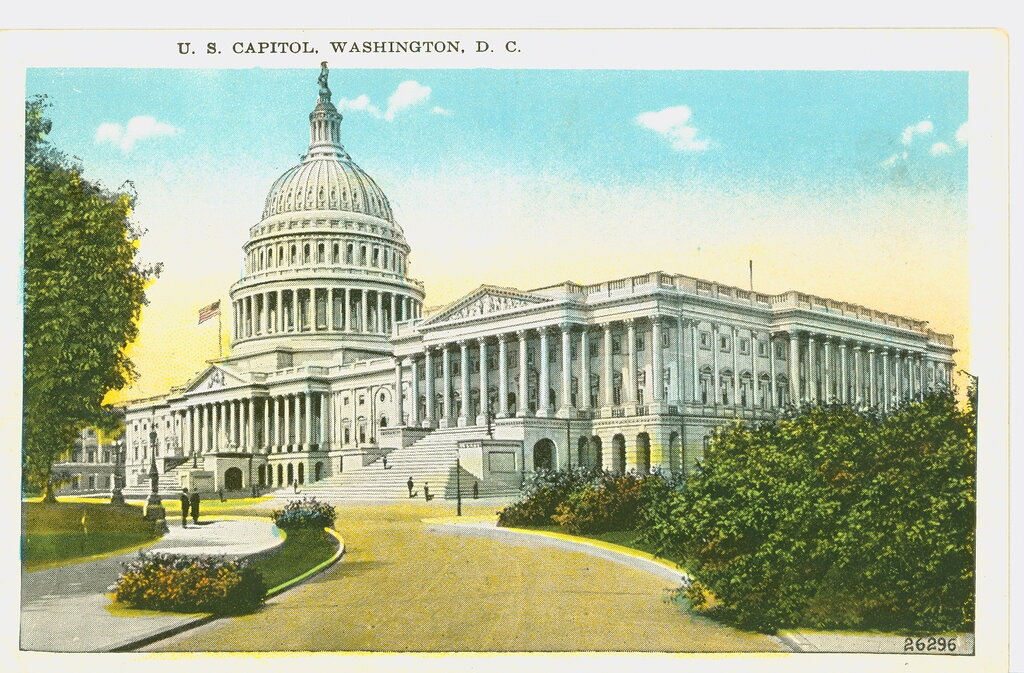
Both chambers are located in the U.S. Capitol Building in Washington, D.C., a symbol of American democracy.
What Congress Does
The work of Congress can be broken down into three main functions.
Legislation: The most well-known function is making laws. A proposed law, called a bill, must be passed by both the House and the Senate before it can go to the President to be signed into law.
Representation: Members of Congress serve as the voice of their constituents, the people who elected them. A representative from a farming district in Iowa will have different priorities than one from New York City. It's their job to represent these unique interests during the lawmaking process.
Oversight: Congress is also a watchdog. It oversees the executive branch—including the presidency and federal agencies—to ensure they are implementing laws as intended and to investigate potential wrongdoing. This is a key part of the government's system of checks and balances.
A Brief History
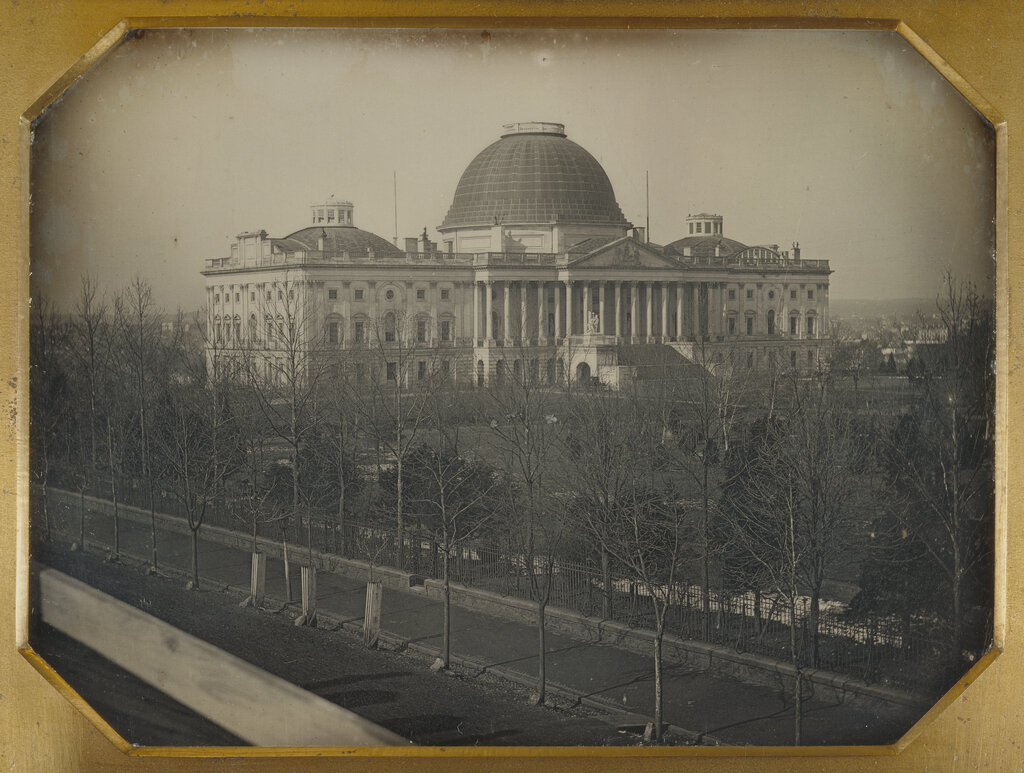
The First Congress met in 1789 in New York City, replacing the weaker legislative body that existed under the Articles of Confederation. Since then, it has evolved alongside the country. The number of representatives in the House grew from 65 to 435 as the nation's population expanded.
One of the most significant changes came with the 17th Amendment in 1913. Before then, senators were chosen by state legislatures. This amendment gave citizens the power to elect their senators directly, making the Senate more responsive to the public will. Over more than two centuries, Congress has navigated wars, economic crises, and social change, continually shaping the laws of the land.
Let's review the core concepts of the U.S. Congress.
What is the fundamental purpose of the U.S. Congress?
The structure of Congress, with two separate chambers (the House and the Senate), is known as _______.
Understanding this structure is the first step to seeing how an idea becomes a national law.