How Combines Harvest Corn
Introduction to Combine Harvesters
The All-in-One Harvest
A combine harvester is a remarkable machine that automates one of humanity's oldest tasks: gathering crops. Its name comes from what it does. It combines three separate harvesting operations—reaping, threshing, and winnowing—into a single process. In one pass through a field, a combine can cut the crop, separate the valuable grain from the unwanted stalks, and clean it of any remaining debris.
Before combines, harvesting was grueling, manual work. Farmers first had to cut the crop, often with scythes, in a process called reaping. Next came threshing, which involved beating the cut stalks to loosen the grains. Finally, the mixture of grain and chaff (the inedible parts) was tossed into the air. The wind would blow away the lighter chaff, leaving the heavier grain to fall back down. This was called winnowing. Each step required immense time and labor.
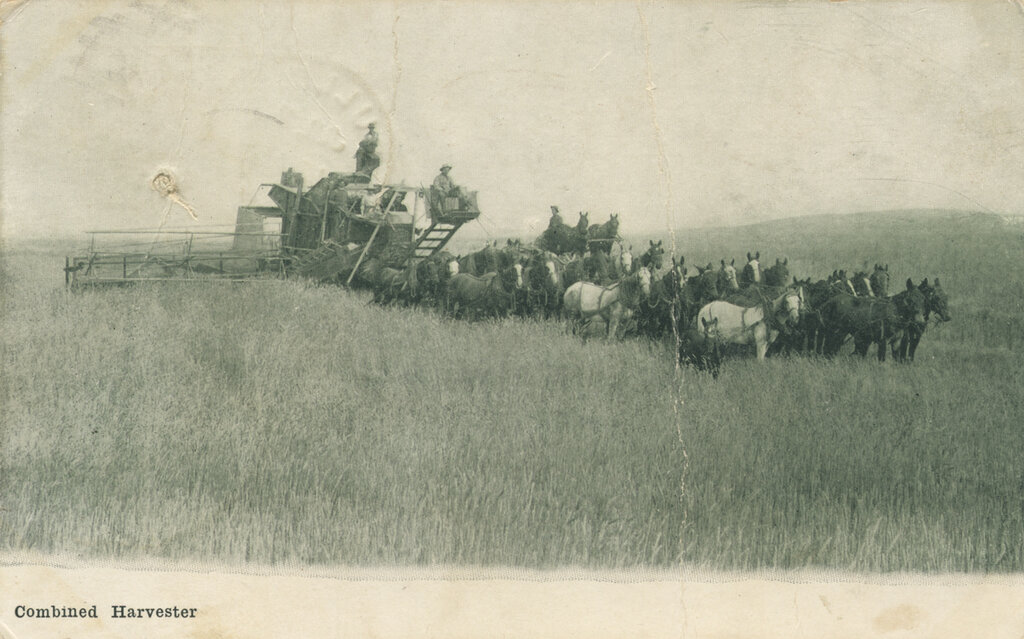
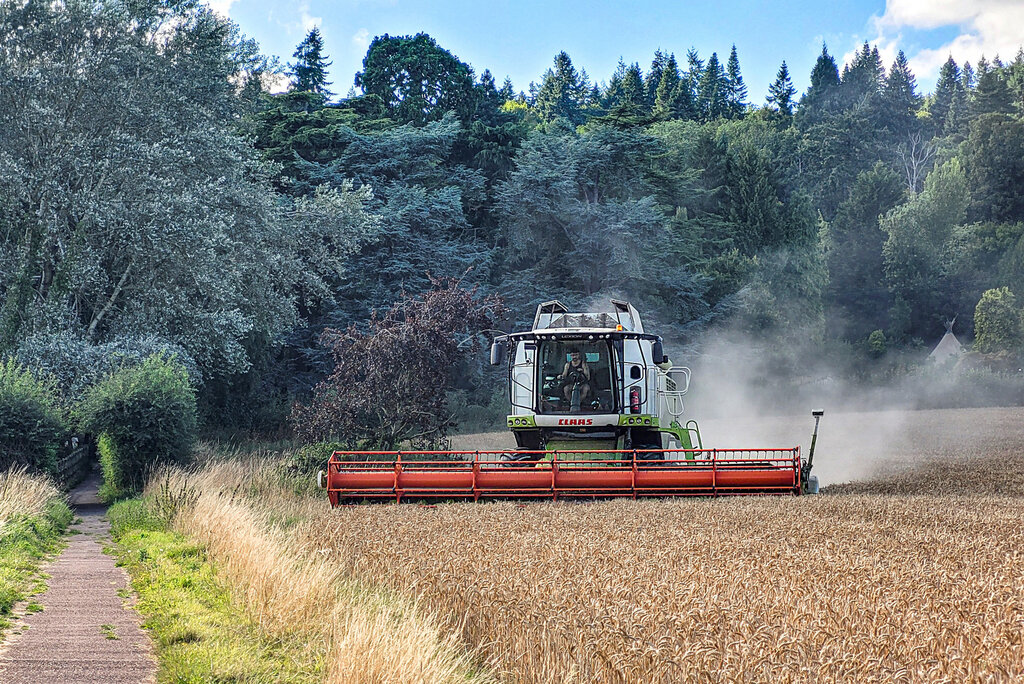
The first combined harvesters emerged in the 19th century. These early models were massive, cumbersome machines pulled by dozens of horses or mules. Over time, they evolved. The introduction of the internal combustion engine allowed them to become self-propelled, freeing them from draft animals. Today's combines are technological marvels, equipped with GPS for precise navigation, sophisticated sensors to monitor crop yield, and powerful engines that allow a single person to harvest hundreds of acres in a day.
Anatomy of a Harvester
While combines look complex, their operation is based on a few key components working in sequence. It all starts at the front with the header.
The header is the interchangeable attachment at the front that cuts the crop. There are different headers for different crops, like corn, wheat, or soybeans. Once cut, the entire plant is fed into the machine by a conveyor.
Inside, the crop meets the threshing drum, a rapidly rotating cylinder that beats the stalks. This action knocks the grains loose from the rest of the plant material. From there, the mixture of grain, chaff, and straw falls onto a series of shaking screens called sieves. The heavy grain falls through the holes in the sieves, while the lighter straw and chaff stay on top.
A fan blows air across the sieves, helping to separate the light chaff from the grain. The clean grain is collected in a large grain tank inside the combine. The leftover material, or straw, is either chopped up and spread back onto the field by a straw chopper or left in a neat row to be baled later.
By performing these steps on the move, a combine harvester dramatically reduces the time, labor, and crop loss associated with harvesting.
The impact of this efficiency is enormous. Combines allow farmers to cultivate much larger areas of land than would be possible with manual labor. This increase in productivity has been a key factor in ensuring a stable and abundant food supply for a growing global population. Without the combine harvester, modern large-scale agriculture simply wouldn't exist as we know it.
Let's check your understanding of the combine harvester's role and components.
What three separate harvesting operations does a combine harvester merge into a single process?
Which component is responsible for cutting the crop at the very front of the machine?
In short, the combine harvester is a cornerstone of modern farming, transforming a series of difficult tasks into a single, highly efficient operation.