How Card Payments Work
Introduction to Card Payment Systems
The Players in a Card Payment
When you buy something with a credit or debit card, the process feels instant. You tap, the machine beeps, and you walk away with your purchase. But behind that simple action, a handful of key players work together to move money securely from your account to the seller's.
Understanding these players is the first step to understanding how card payments work. Let's meet the cast of characters.
Cardholder
noun
The person who owns the payment card and is making a purchase.
This one's easy—if you have a credit or debit card in your wallet, you're a cardholder. Your main role is to initiate the payment for goods or services.
Merchant
noun
The business or individual selling goods or services and accepting card payments.
The merchant is the other party you interact with directly. It could be a local bookstore, an online retailer, or a major airline. Their role is to accept your card payment in exchange for what they're selling.
The Banks Behind the Scenes
For every transaction, there are two financial institutions working in the background: one for the cardholder and one for the merchant. They handle the money and manage the risk.
A bank or other financial company that issues payment cards to consumers on behalf of the card networks.
The Issuing Bank (or issuer) is the cardholder's bank. It's the institution that gave you your card, whether it's a credit card from Chase or a debit card linked to your Bank of America checking account. When you make a purchase, the issuing bank is responsible for checking if you have enough funds or credit and then approving or declining the transaction. They are essentially vouching for you.
The Acquiring Bank (or acquirer) is the merchant's bank. This institution provides the merchant with the tools and services needed to accept card payments, like the physical card terminal or the online payment gateway. Its primary job is to receive the payment information from the merchant and send it through the system to get the money from your issuing bank. It acquires the funds on the merchant's behalf.
Connecting the Banks
So we have two different banks that need to talk to each other to complete a transaction. How do they do that? They don't just pick up the phone. This is where the final key player comes in: the card network.
The card network, often called a scheme, is the backbone of global card payments.
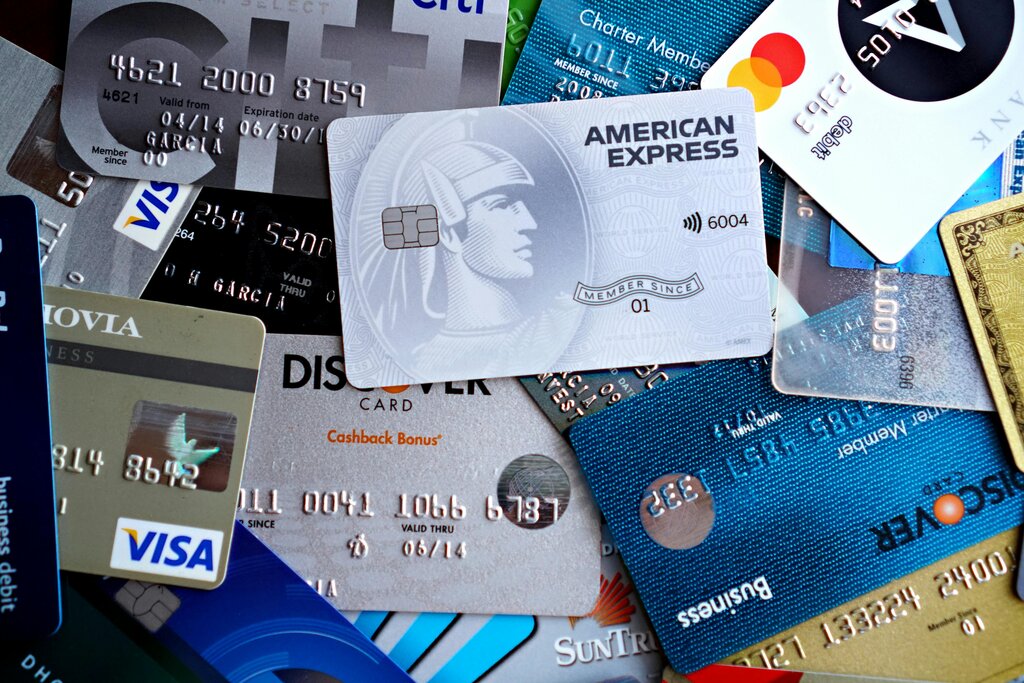
Card Networks (like Visa, Mastercard, American Express, and Discover) act as the communication bridge between the issuing bank and the acquiring bank. They set the rules for transactions, manage the secure flow of information, and ensure that everyone in the system gets paid correctly and on time. Think of them as the highways or the postal service of the payment world—they don't hold the money, but they make sure it gets to the right destination safely.
Together, these five players form the core of the card payment ecosystem. Each has a specific role, and they all rely on each other to make millions of transactions happen every day.
| Player | Role in the Transaction |
|---|---|
| Cardholder | Initiates the payment by providing their card details. |
| Merchant | Accepts the card payment for goods or services. |
| Issuing Bank | The cardholder's bank; approves or declines the payment. |
| Acquiring Bank | The merchant's bank; captures and submits the transaction. |
| Card Network | The bridge between banks; routes the transaction information. |
Every time you tap or swipe your card, it sets off a chain reaction involving multiple players, each playing a critical part in the transaction.
Now that you know who's involved, let's see how they work together to process a single payment.
When a cardholder makes a purchase, which entity is responsible for checking if they have sufficient funds or credit to cover the transaction?
What is the primary role of a card network like Visa or Mastercard in a transaction?