Household Emergency Preparedness
Understanding Disaster Risks
Know Your Neighborhood's Risks
Every place has its own personality. A coastal town has salty air and seagulls, while a mountain village has crisp mornings and pine trees. These unique features also come with unique risks. Just as you wouldn't pack a parka for a beach trip, your emergency preparedness shouldn't be one-size-fits-all. The first step is to understand the specific challenges your area might face.
Think of it as a local weather report, but for bigger events. Someone in Florida is more likely to face a hurricane than a blizzard. A person living in California needs to be aware of earthquakes and wildfires. Understanding these local possibilities is the foundation of smart preparation.
Forces of Nature
Natural disasters are powerful events that are not caused by humans. They vary greatly depending on geography and climate.
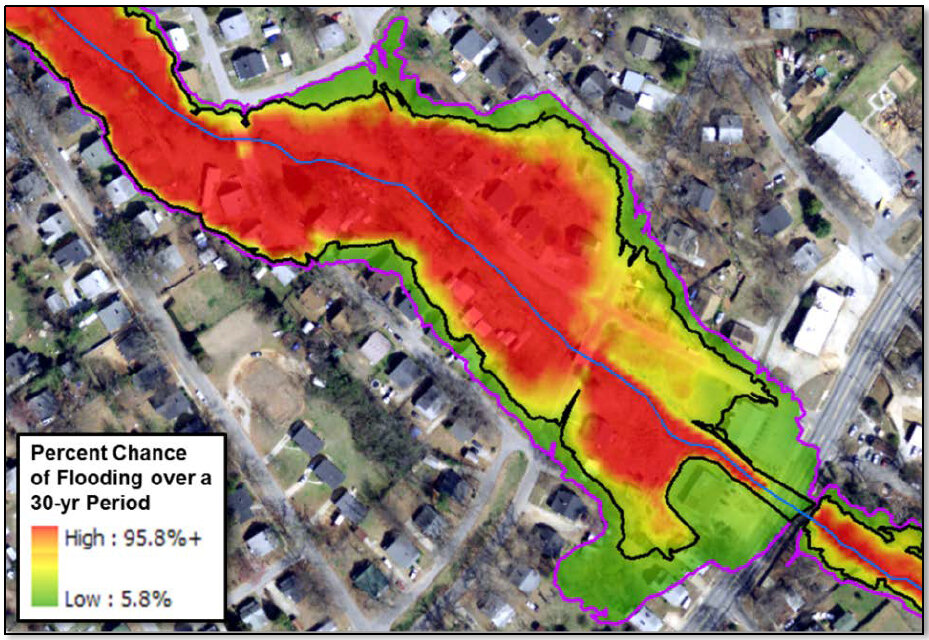
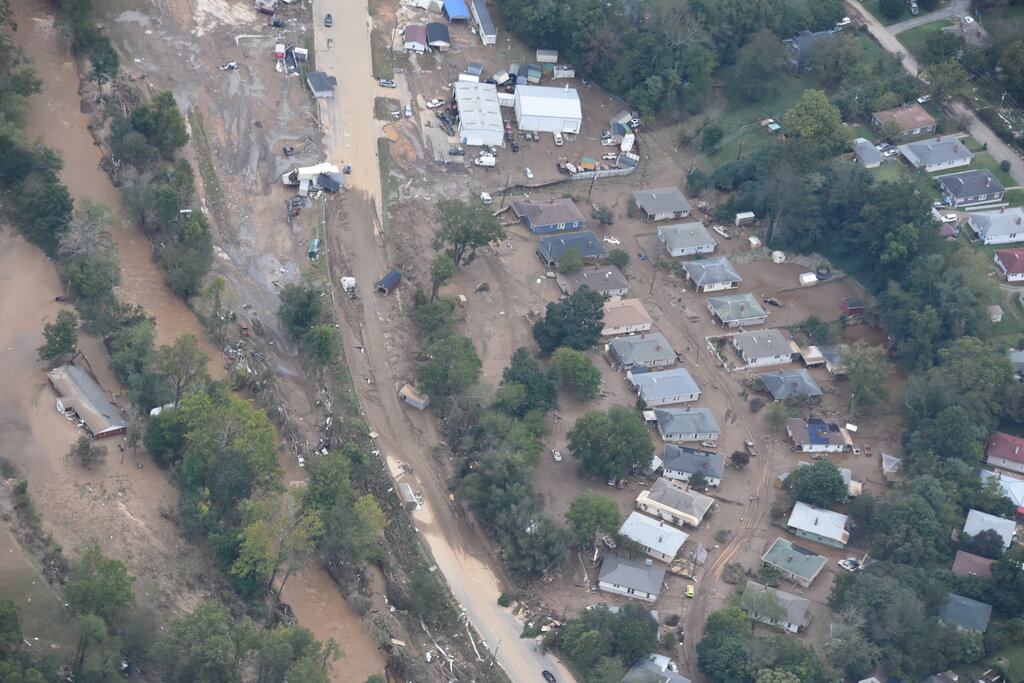
Floods: This is one of the most common natural hazards. Floods can result from heavy rain, overflowing rivers, or coastal storm surges. They can develop slowly over several days or strike in an instant as a flash flood.
Hurricanes: These massive storm systems form over warm ocean waters and bring high winds, heavy rain, and flooding to coastal areas. Depending on where you are in the world, they may be called typhoons or cyclones.
Earthquakes: An earthquake is the sudden shaking of the Earth's surface. They happen along fault lines, which are cracks in the Earth's crust. Unlike storms, they arrive without any warning.
Wildfires: Especially common in dry, wooded regions, wildfires can spread with incredible speed, driven by wind and fueled by dry vegetation. They can threaten homes and force large-scale evacuations.
Tornadoes: These are violently rotating columns of air that touch the ground. They are most frequent in certain parts of the world, like the central United States, but can occur elsewhere.
Human-Caused Hazards
Not all disasters come from nature. Some are the result of human activity or technology failures. These events can be just as disruptive and dangerous.
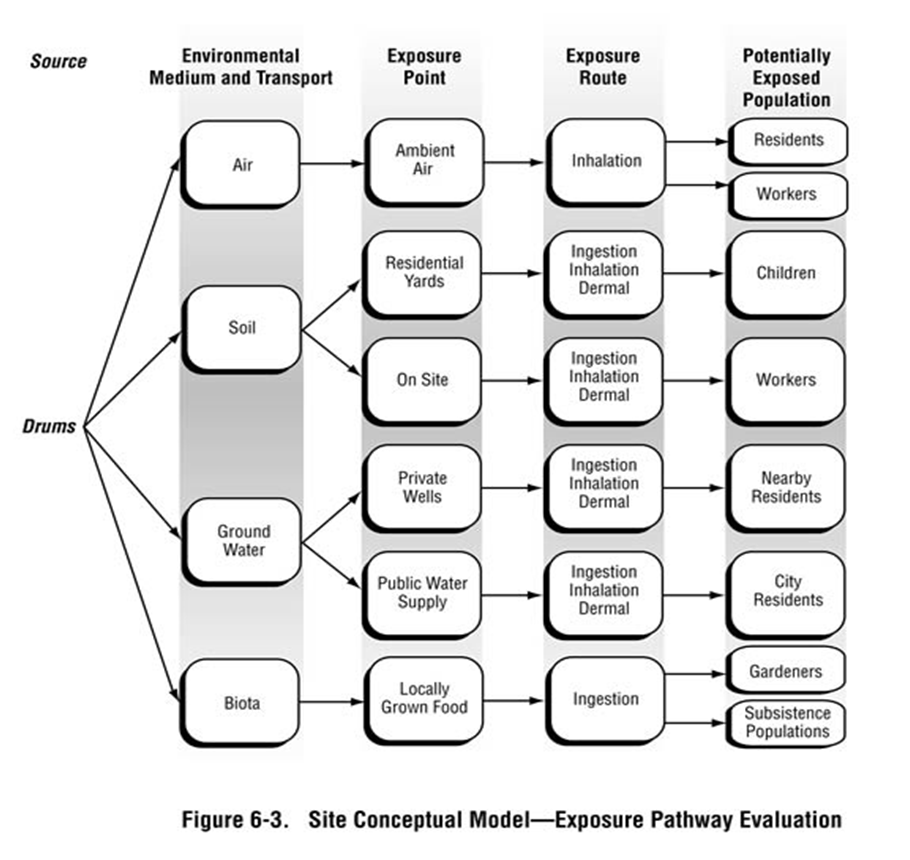
One common example is a hazardous material spill. This could happen if a truck or train carrying chemicals crashes, or if there's an accident at a factory. These spills can release toxic substances into the air, water, or soil, making the area unsafe for residents.
Other man-made events include widespread power grid failures, industrial explosions, and major transportation accidents. While less common, they are important to consider, especially if you live near industrial zones, major highways, or rail lines.
How to Assess Your Local Risk
So, how do you figure out what you should be preparing for? The best way is to do a little research. A few key sources can give you a clear picture of your local risks.
Start with your local government's emergency management agency. Their website is often the best resource for information tailored to your city, county, or state. They provide details on the most likely hazards and offer guidance. You can usually find these agencies by searching online for "[Your Town] emergency management."
People are advised to check disaster preparedness websites in the areas where they live or work as information and recommendations may vary depending on factors like geography and climate.
Looking at your area's history is also incredibly helpful. Have there been major floods in the last 50 years? Is your town near a known earthquake fault? News archives and local historical societies can reveal a lot about past events, which often provide clues about future possibilities. Knowing what has happened before is a powerful tool for understanding what could happen again.
Let's check your understanding of these different disaster risks.
Why is it important for emergency preparedness to be specific to your location?
Which of the following is considered a man-made disaster rather than a natural one?
By identifying the specific natural and man-made hazards in your area, you've taken the first critical step in becoming prepared. This knowledge allows you to focus your efforts where they matter most.