Household Disaster Preparedness
Understanding Disaster Risks
Know Your Risks
No two places on Earth face the exact same threats. A family living on the Florida coast prepares for hurricanes, while a family in California might focus on earthquakes. Understanding the specific risks in your area is the first step toward real preparedness.
Disasters fall into two broad categories: natural and man-made. Natural disasters are caused by the Earth's own processes, like weather or geology. Man-made emergencies stem from human activity or technological failures.
Nature's Power
Natural disasters are powerful events that can reshape landscapes and lives in minutes. They include:
- Hurricanes: Massive, rotating storms that form over warm ocean waters, bringing high winds, heavy rain, and coastal flooding known as storm surge.
- Earthquakes: Sudden shaking of the ground caused by the movement of tectonic plates beneath the Earth's surface.
- Floods: An overflow of water that submerges land that is usually dry. Floods can result from heavy rain, overflowing rivers, or storm surges.
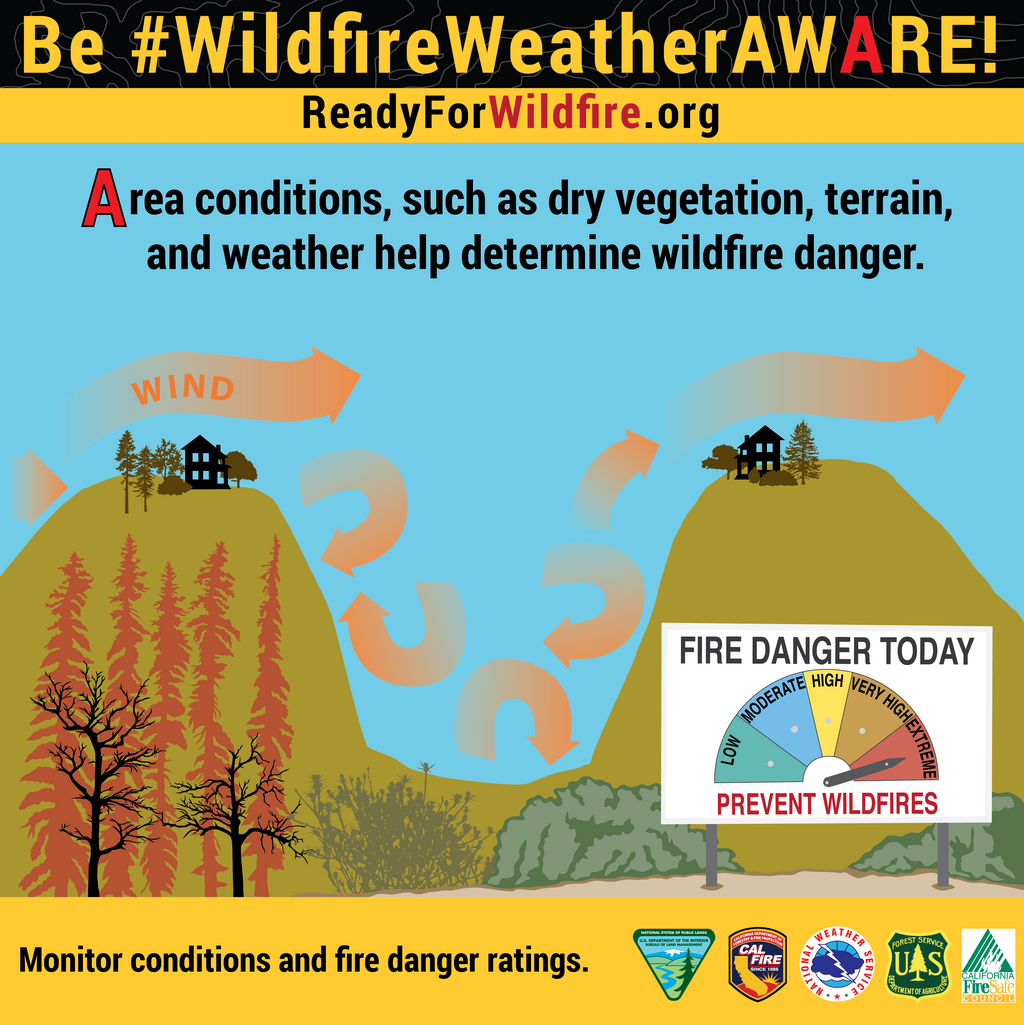
- Wildfires: Uncontrolled fires that burn in wildland areas. They are often fueled by dry conditions and high winds.
The specific natural risks you face depend entirely on your geography. Living near a fault line increases earthquake risk, while low-lying coastal areas are more vulnerable to flooding and hurricanes.
Human-Made Emergencies
Not all disasters are acts of nature. Some emergencies are the result of human systems and technologies. These can be just as disruptive and dangerous.
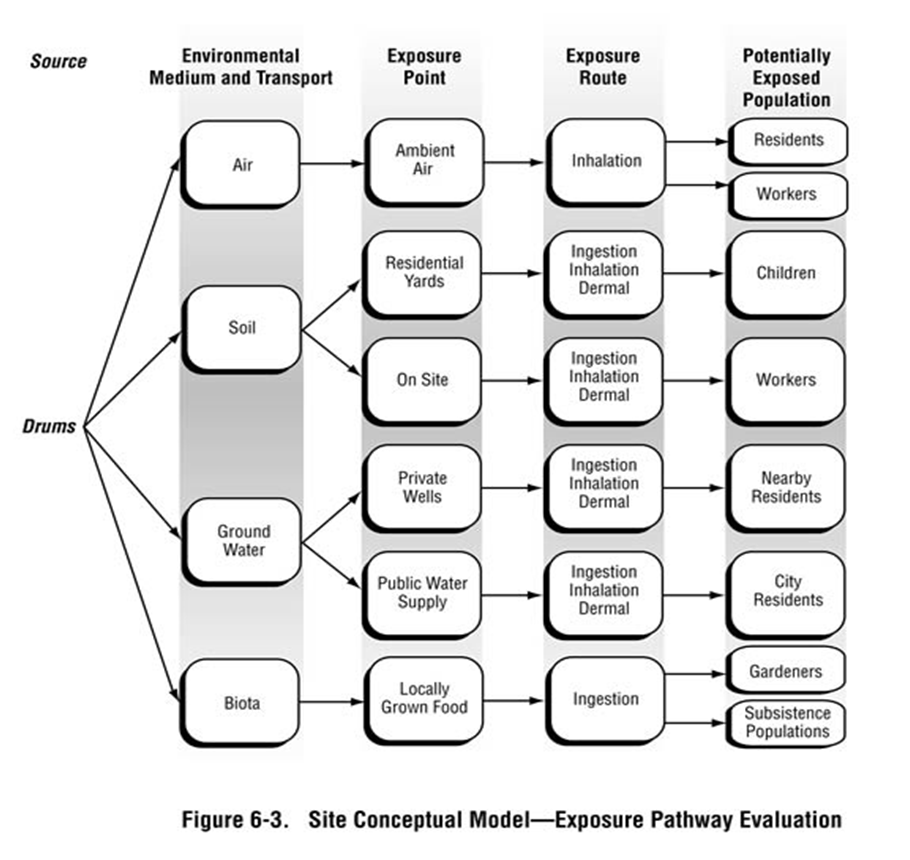
Consider a widespread power outage. It can shut down everything from refrigerators and traffic lights to communication networks and water treatment facilities. A chemical spill from a factory or a derailed train can contaminate the air, water, and soil, forcing evacuations.
These incidents are often tied to the infrastructure and industry around us. Living near industrial plants, major highways, or railways can introduce specific man-made risks that you wouldn't find in a remote, rural area.
From Hazard to Disaster
A potential threat, like a nearby river, is a hazard. It only becomes a disaster when it impacts people and their daily lives. A flood in an uninhabited valley is just a natural event. The same flood in a populated city is a catastrophe.
The impact can be immediate and obvious: damaged homes, loss of utilities like water and electricity, and blocked roads. But the disruption ripples outward. Schools and businesses close. Access to food, cash, and medical care can become difficult. Communication lines might go down, cutting you off from family and emergency services.
Understanding these potential impacts is not about causing fear. It's about knowing what you might realistically face, so you can prepare to be self-sufficient for a period of time.
To prepare effectively, you have to know what you're preparing for. Start by learning about the most likely disasters in your community.
Ready to test your knowledge?
What is the primary factor that determines the specific natural disaster risks a person faces?
Which of the following is considered a man-made emergency rather than a natural disaster?
By recognizing the specific hazards in your area, you've taken a critical first step in keeping yourself and your family safe.