Household Disaster Preparedness
Understanding Emergency Risks
What Are Your Risks?
Not all emergencies are created equal, and they don't happen everywhere. A person living in Miami doesn't need to prepare for a blizzard, just as someone in Kansas isn't likely to face a hurricane. The first step in getting prepared is understanding the specific dangers you might face based on where you live.
When Nature Strikes
Natural disasters are powerful events that can disrupt life over a large area. They vary greatly depending on geography and climate.
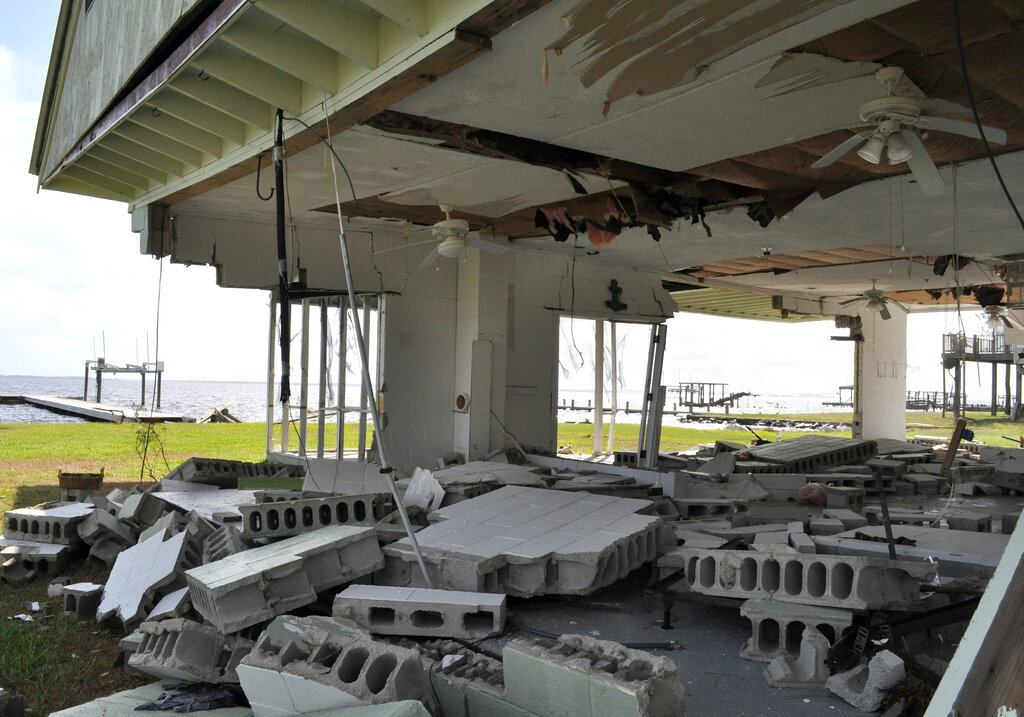
Hurricanes, for example, are massive storms that form over warm ocean waters and primarily threaten coastal regions. They bring high winds, heavy rain, and dangerous storm surges that can cause widespread flooding and damage.
Earthquakes are sudden shakes of the ground caused by the movement of tectonic plates. They are most common along fault lines, like those on the West Coast of the United States. A strong earthquake can topple buildings, break roads, and trigger landslides.
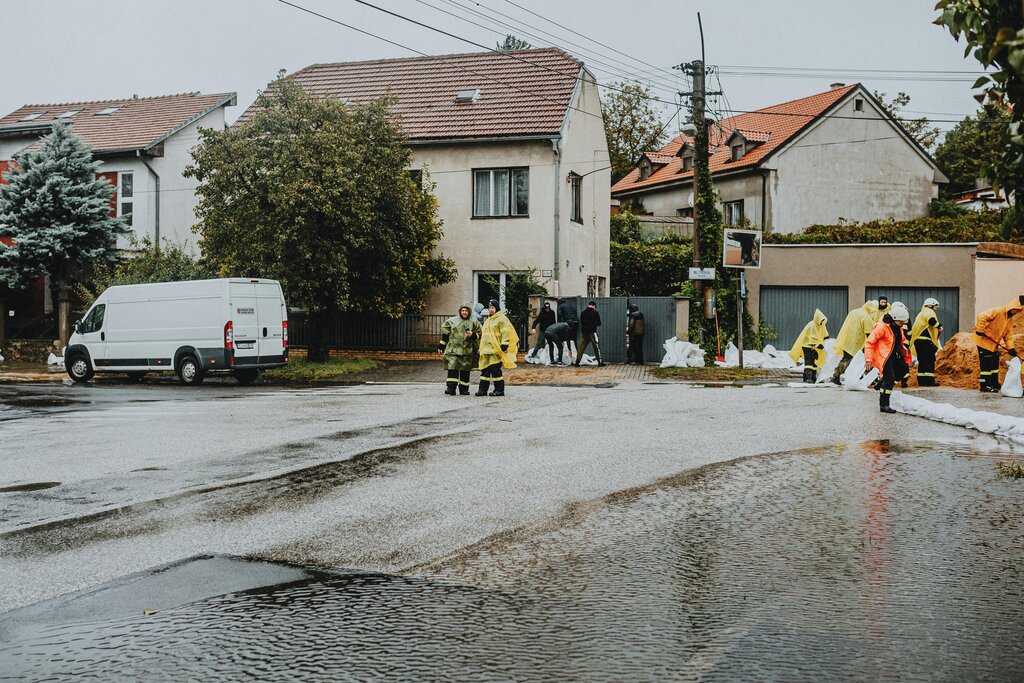
Floods are one of the most common natural disasters. They can happen in any state, caused by heavy rainfall, melting snow, or dam failures. Even areas far from a coast can experience dangerous flash floods with little warning.
Human-Made Hazards
Emergencies aren't always caused by nature. Sometimes, they result from failures in the systems we rely on every day.
A prolonged power outage can be a serious issue, especially during extreme heat or cold. It can disrupt communications, water, and transportation, and it can spoil refrigerated food.
Chemical spills are another risk, particularly for those living near industrial plants or major transportation routes. An accident can release hazardous materials into the air, water, or soil, sometimes requiring residents to evacuate or shelter in place.
Finding Your Local Risks
So, how do you figure out what you should prepare for? Start by looking at your surroundings. Do you live near a river that sometimes floods? Are you in a coastal area prone to hurricanes? Is there a major rail line or factory nearby?
History is a great teacher. Look up news archives for your town or county to see what kinds of emergencies have happened in the past. This can give you a clear picture of recurring problems.
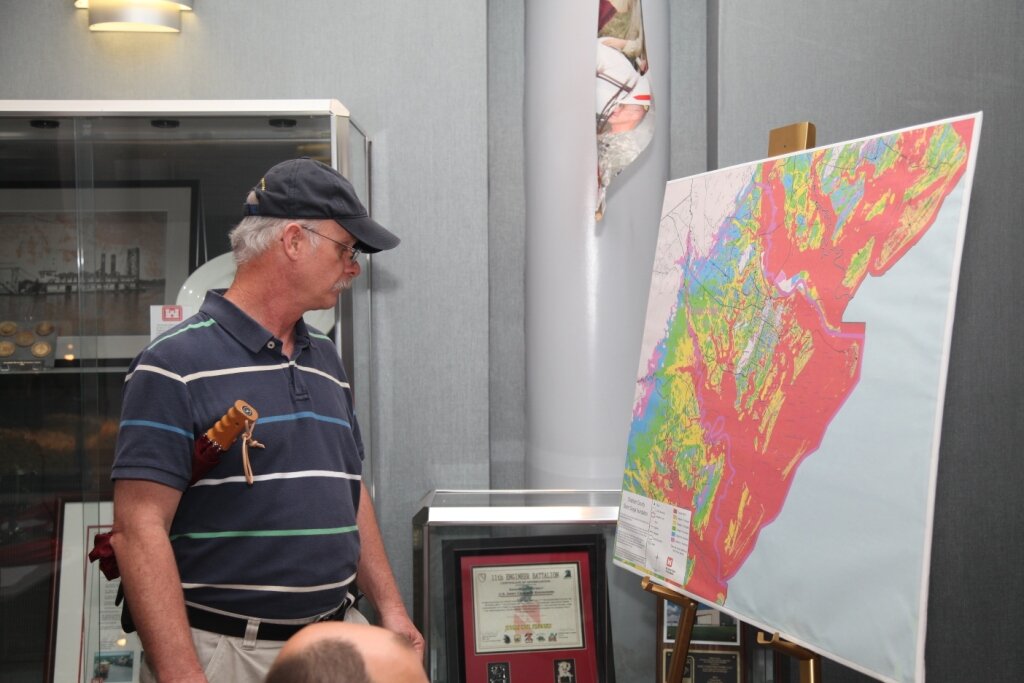
Government agencies also provide excellent resources. Websites from FEMA (the Federal Emergency Management Agency) and your local or state emergency management office often have maps and information detailing regional hazards.
Knowing your specific risks is the foundation of effective preparation. It turns a vague sense of worry into a focused, actionable plan.
Once you have a handle on the most likely events in your area, you can think more clearly about what comes next. Now, let's test what you've learned.
What is the most crucial first step in preparing for an emergency?
A person living in a coastal city in the southeastern United States is most likely to prepare for which two types of natural disasters?
Understanding potential hazards is the first and most important step. By identifying the risks specific to your area, you've laid the groundwork for smart and effective preparation.