Household Disaster Preparedness
Understanding Disaster Risks
What Are We Preparing For?
Before you can prepare for a disaster, you need to know what you might be facing. Disasters aren't all the same. They fall into two broad categories: those caused by nature and those caused by human activity.
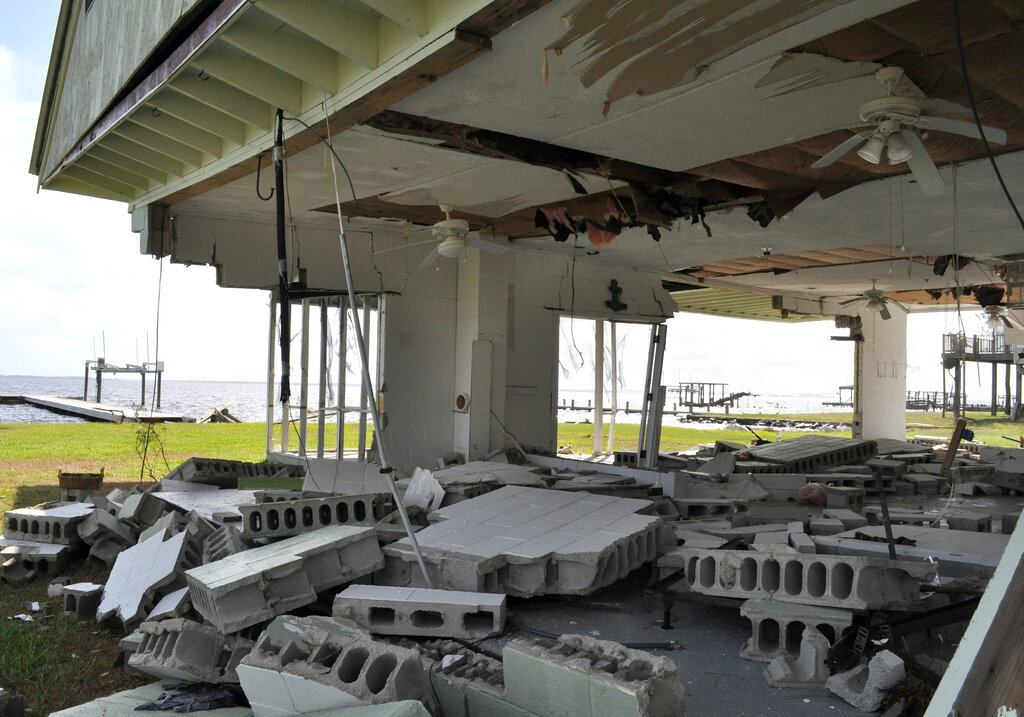
Natural disasters are events caused by the Earth's natural processes. These include events like hurricanes, earthquakes, floods, tornadoes, and wildfires. Their impact can range from localized flooding to widespread destruction across an entire region. A powerful hurricane, for example, combines high winds, heavy rain, and a storm surge that can completely reshape a coastline.
Man-made disasters, on the other hand, are caused by human error or intent. A severe power outage can shut down essential services for days. A chemical spill from a factory or a train derailment could force an entire neighborhood to evacuate with little warning. While often more localized than natural events, their suddenness and potential for unseen danger, like toxic fumes, make them equally serious.
Know Your Local Risks
Preparedness isn't a one-size-fits-all plan. The risks you face in coastal Florida are very different from those in Kansas or California. Understanding your specific local threats is the most important step in getting ready. Someone living on a floodplain needs to prioritize flood preparation, while a resident near a major fault line should focus on earthquake safety.
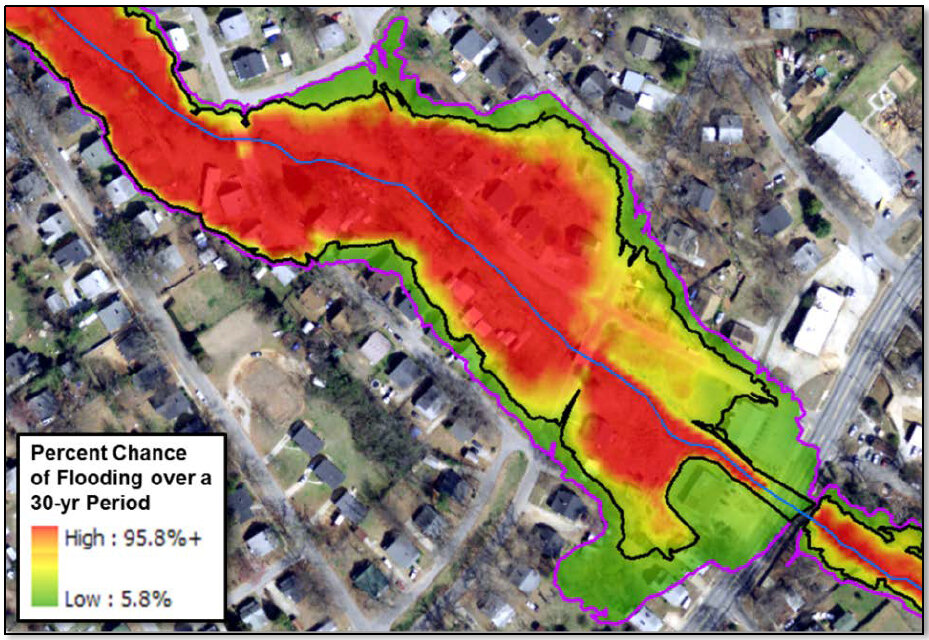
So how do you figure out what to prepare for? Start by looking at your region's history. What kinds of emergencies have happened there in the past? Your local or state emergency management agency is an excellent resource. Their websites often have maps and information detailing the most common hazards in your area, from flood zones to wildfire-prone landscapes.
Visit the websites for your local and state emergency management agencies. They provide specific information on the risks you face and how to prepare.
Learning from the Past
Looking at past disasters helps us understand not just what can happen, but how it unfolds. Case studies make abstract risks feel real and reveal the specific challenges people face during an emergency. They show us why certain preparations are so critical.
Consider the 2005 Hurricane Katrina. The storm itself was a massive natural disaster, but it also triggered man-made failures. Levees broke, flooding 80% of New Orleans and stranding thousands without power, clean water, or a way to escape. This event showed how a natural disaster can quickly lead to a complex humanitarian crisis, highlighting the need for personal evacuation plans and multi-day survival kits.
A different kind of threat emerged during the 2021 Texas power crisis. A severe winter storm, a natural event, overwhelmed the state's energy grid, a man-made system. Millions lost power and heat for days in freezing temperatures. This wasn't a scenario of wind or water damage, but one of infrastructure failure. It underscored the importance of having a plan for extended power outages, including non-perishable food, warm blankets, and alternative power sources.
Disasters can occur any time or place. Be ready with a family emergency plan—preparation is vital to safety and well-being.
By understanding the types of disasters and researching your local risks, you can build a solid foundation for your preparedness efforts. This knowledge allows you to focus on what truly matters for keeping your household safe.