Household Disaster Preparedness
Understanding Disasters
What Makes an Event a Disaster?
A disaster is an event that causes widespread human, material, economic, or environmental losses that exceed a community's ability to cope using its own resources. It's a sudden, calamitous event that seriously disrupts the functioning of a community or society.
disaster
noun
A sudden event, such as an accident or a natural catastrophe, that causes great damage or loss of life.
Disasters fall into two broad categories: natural and human-made. Natural disasters are caused by the forces of nature, while human-made disasters result from human error, negligence, or intent.
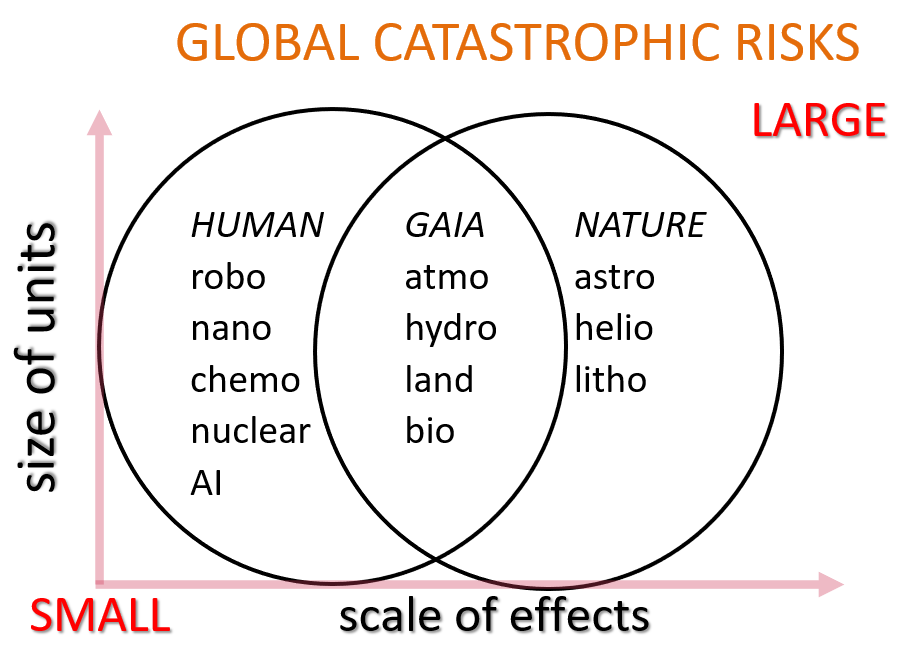
Understanding both types is the first step in preparing for them. While one is caused by the planet and the other by people, their impact on our lives can be equally devastating.
When Nature Strikes
Natural disasters are a part of life on Earth. They are powerful, often unpredictable, and can reshape landscapes and communities in moments.
- Earthquakes: The ground suddenly shakes when tectonic plates shift. This can cause buildings to collapse, roads to crack, and trigger tsunamis in coastal areas.
- Floods: These occur when water overflows onto land that is normally dry. Floods can result from heavy rain, melting snow, or storm surges from hurricanes. They are one of the most common and widespread of all weather-related disasters.
- Hurricanes: These massive storm systems form over warm ocean waters and bring intense winds, heavy rain, and storm surges. Their destructive power can affect areas hundreds of miles wide.
- Fires: Wildfires, often fueled by dry conditions and high winds, can spread rapidly through forests and into communities. They destroy homes, habitats, and can have long-lasting effects on air quality.
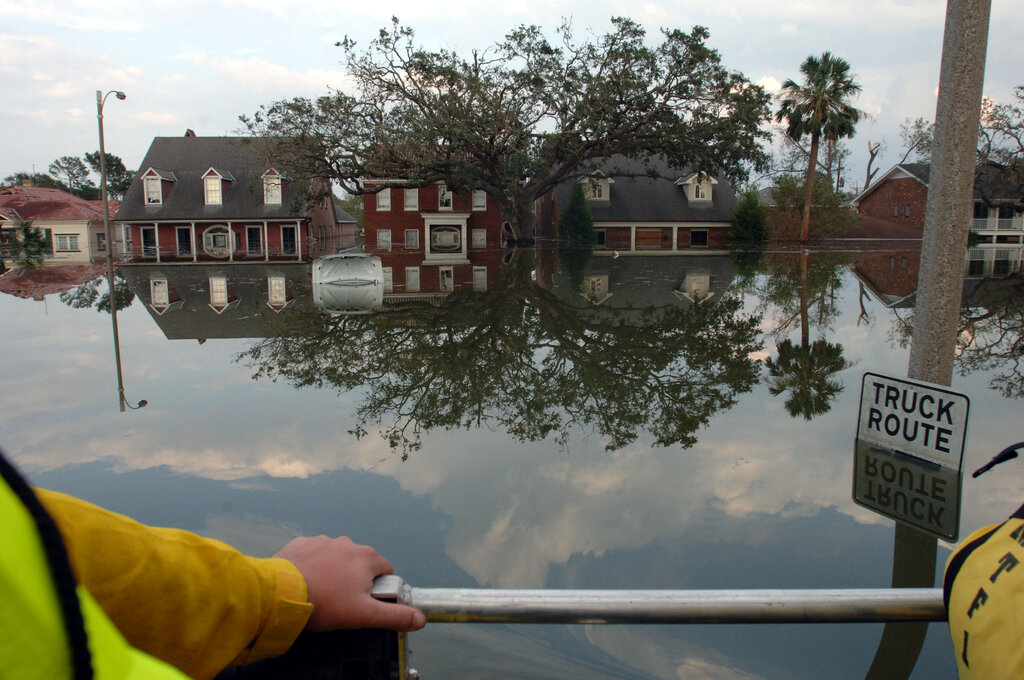
Each of these events poses a unique set of challenges, from the immediate danger of collapsing structures in an earthquake to the long-term displacement caused by widespread flooding.
Human-Made Hazards
Not all disasters come from nature. Some are the result of our technology and infrastructure. These events can be just as disruptive and dangerous.
- Chemical Spills: An accidental release of hazardous materials can contaminate the air, water, and soil. These spills can force evacuations and pose serious health risks to anyone exposed.
- Power Outages: A widespread failure of the electrical grid can halt daily life. Without power, heating and cooling systems fail, communication becomes difficult, and access to food and water can be compromised.
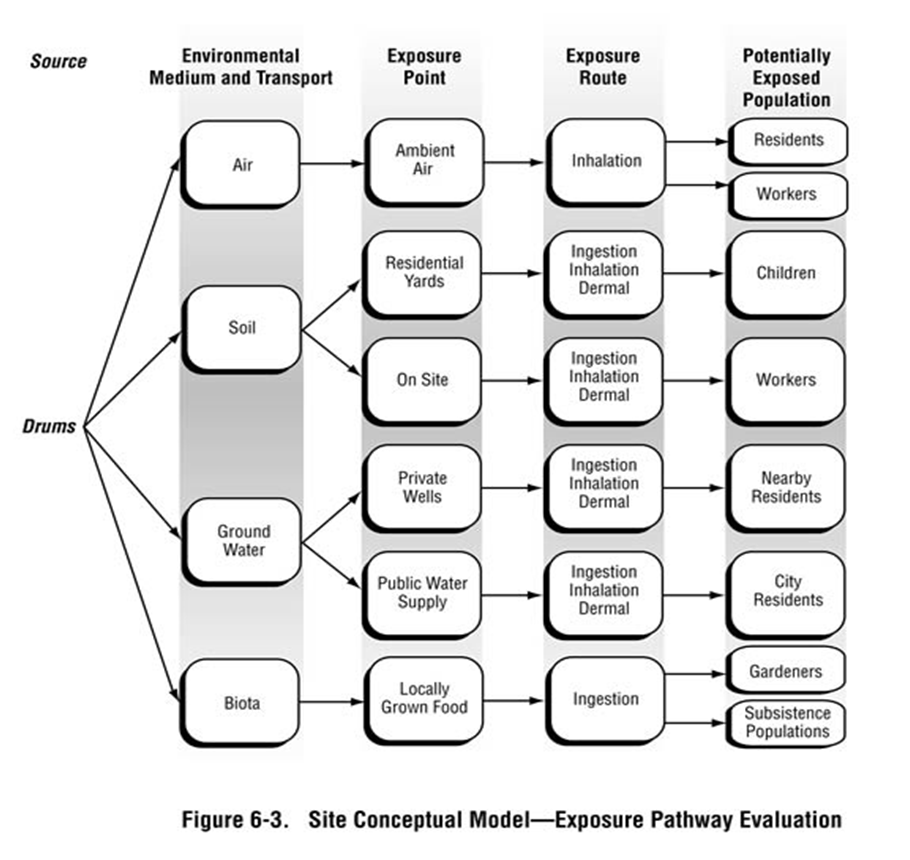
While a power outage might seem less dramatic than a hurricane, its impact on a household can be just as significant, especially if it lasts for an extended period.
Know Your Local Risks
Every community has its own unique risk profile. A city on a fault line needs to prepare for earthquakes, while a coastal town must be ready for hurricanes. Understanding the specific hazards you face where you live is the foundation of effective preparedness.
Knowing what could happen is the first step to knowing what to do.
Local emergency management agencies, weather services, and public health departments are great resources for this information. They often provide maps and data on historical disasters and potential future threats, from floodplains to wildfire risk zones.
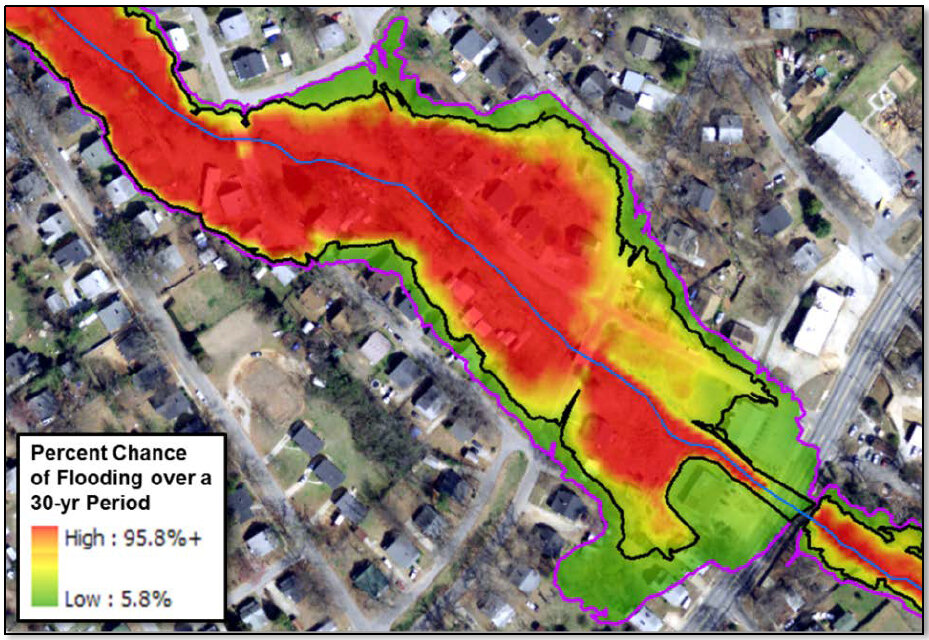
By learning about the most likely disasters in your area, you can make informed decisions and create a plan that truly addresses the challenges your household might face. This local knowledge turns general awareness into a practical plan for safety.
What is the key characteristic that defines an event as a disaster?
Which of the following is classified as a human-made disaster?